
Beautiful Plants For Your Interior
Beautiful Plants For Your Interior
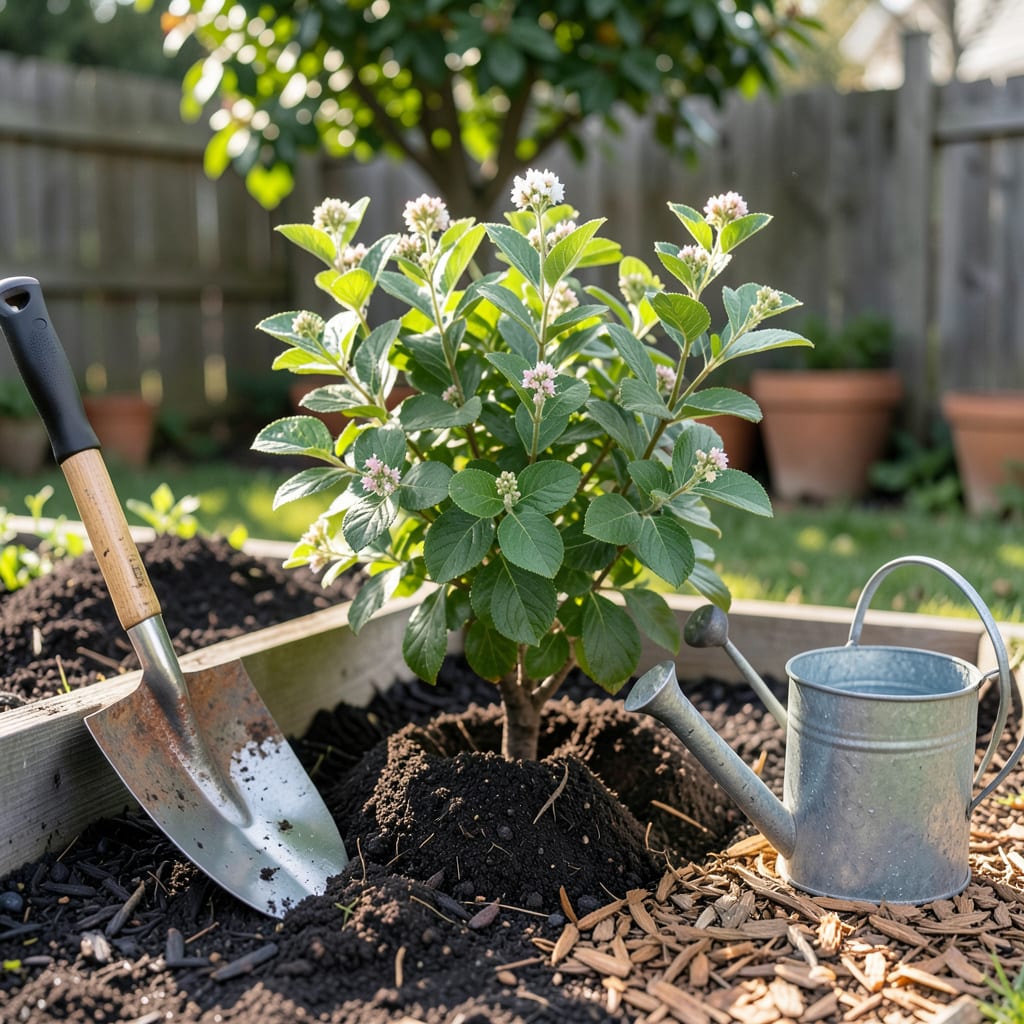
Timing isn’t just important—it’s everything when planting blueberries in Texas. Plant too early, and a late frost could wipe out your bushes. Wait too long, and the scorching summer heat will stress young plants before they establish roots.
After years of testing what works (and what doesn’t) in Texas’ unpredictable climate, I’ve nailed down the exact seasonal windows for thriving blueberry bushes—whether you’re in the Piney Woods or the Hill Country. Let’s cut through the guesswork so you can grow juicy, abundant harvests year after year.
Texas isn’t just one climate—it’s a patchwork of zones that demand different planting strategies. In North Texas (zones 7-8), you’ll want to plant late winter to avoid late frosts, while South Texas gardeners (zones 9-10) can push planting into early spring.
The secret? Soil temperature—blueberries need it above 60°F to thrive. I’ve seen bushes struggle when planted in cold, soggy soil, so timing your planting around regional frost dates is non-negotiable. Let’s break it down by zone so you nail your window. 🌱
| Region | USDA Zones | Ideal Planting Months | Last Frost Date | Variety Recommendation |
|---|---|---|---|---|
| North Texas | 7-8 | Jan–Feb | March 15 | Rabbiteye (Climax, Premier) |
| Central Texas | 8a-8b | Feb–early Mar | Feb 28 | Southern Highbush (O’Neal, Misty) |
| South Texas | 9-10 | Mar–early Apr | Feb 1 | Low-Chill (Emerald, Jewel) |
Pro Tip: In East Texas, aim for late February—the extra humidity helps roots establish faster.
If you’re in North Texas, don’t risk planting after March 1—late frosts can still sneak in. I lost a whole row of Premier blueberries one year by planting in early March. Now, I stick to January–February and use row covers if needed.
Central Texas gardeners have more flexibility, but watch for false springs. A warm February might tempt you, but if the soil hasn’t warmed to 60°F, hold off. Use a soil thermometer—it’s a game-changer for timing.
Down in South Texas, your bigger enemy is heat stress, not frost. Planting in March–April lets bushes establish before the 100°F summers hit. I’ve had great luck with Emerald blueberries here—they handle heat better than most.
No matter your region, avoid planting in summer. The stress of transplanting + heat is a death sentence for young bushes. If you miss your window, container-grown plants can be planted in fall (October–November) with extra mulching. 🪴
One final trick: Pre-chill bare-root plants in the fridge for 2–3 weeks before planting. This mimics winter and kickstarts root growth. It’s especially helpful in warmer zones where chill hours are scarce.
Remember, blueberries are a long-term investment. A well-timed planting now means decades of harvests. Next, we’ll cover the 3 critical mistakes that even experienced Texas gardeners make—and how to avoid them. ✂️
Even experienced Texas gardeners can sabotage their blueberry bushes with avoidable errors. After watching too many plants struggle (or die) from simple oversights, I’ve pinpointed the three most costly mistakes—and how to fix them before they wreck your harvest.
The biggest killer? Ignoring soil pH. Blueberries demand acidic soil (4.5–5.5 pH), but most Texas native soil leans alkaline. Skipping a soil test is like planting in concrete. Let’s tackle these pitfalls head-on so your bushes thrive, not just survive. 🌡️
Pro Tip: In West Texas, wind desiccates leaves. Use windbreaks or plant near a fence.
I’ve seen gardeners lose entire plants because they assumed “Texas soil is fine as-is.” Wrong. Our native clay or sandy soil often lacks organic matter and has a pH of 7.0–8.5—toxic for blueberries. The solution? Mix in 50% peat moss and 10% compost at planting.
Another silent killer: inconsistent watering. Blueberries have shallow roots, so drought stress stunts growth fast. I use a soaker hose on a timer to deliver deep, slow watering 2x/week during establishment. Mulch with pine bark to keep roots cool and moist.
Here’s a mistake I made early on: planting in a low spot where water pooled. Blueberries hate “wet feet”—root rot sets in fast. Always plant on a slight mound or in raised beds if your soil drains poorly. In East Texas, where rain is heavy, this is non-negotiable.
Finally, don’t overlook variety selection. Planting a high-chill rabbiteye in South Texas (zone 10) means zero fruit. Stick to low-chill varieties like Emerald or Jewel below zone 8b. I learned this the hard way after three fruitless years with the wrong bushes!
Fix these three issues, and you’ll sidestep 90% of Texas blueberry failures. Next up: We’ll dive into the best varieties for your exact zone—because the right plant in the right place makes all the difference. 🪴
Not all blueberries are created equal—especially in Texas. The wrong variety in your zone can mean zero fruit despite perfect care. After testing dozens of cultivars across the state, I’ve narrowed it down to the top 5 Texas-proof varieties that actually produce.
The key? Matching chill hour requirements to your region. Rabbiteye types need 400–600 chill hours and excel in North/Central Texas, while southern highbush (150–300 chill hours) dominates in South Texas. Let’s break down the best picks for your exact climate. 🌿
In North Texas (zones 7-8), Climax and Premier are my top picks. They handle late frosts better than most and produce large, sweet berries. I’ve had Premier bushes yield 10+ pounds per plant by year 3 with proper pruning.
For Central Texas (zone 8b), O’Neal strikes the perfect balance. It ripens early (May) and avoids the peak heat that can scorch later varieties. Just be sure to mulch heavily—this variety’s shallow roots dry out fast in our limestone soil.
Down in South Texas (zones 9-10), Emerald and Jewel are the only reliable choices. They need far fewer chill hours and laugh at 100°F temps. I’ve seen Jewel bushes thrive in Corpus Christi with just weekly deep watering and afternoon shade.
Pro Tip: Always plant at least two varieties for cross-pollination. My favorite combo? Climax + Premier in North Texas or Emerald + Jewel
Blueberries need soil temps above 60°F to establish well. In Texas, this typically means planting between January–March, depending on your region. Use a soil thermometer to check—planting in cold soil can stunt growth.
Container-grown blueberries can be planted in fall (October–November) with extra mulching. Use a 20-gallon pot with acidic potting mix and keep soil consistently moist. This gives roots time to establish before winter.
Cover bushes with frost blankets or row covers when temps dip below 32°F. In North Texas, keep covers handy until mid-March. Avoid plastic—it traps moisture and can damage leaves.
For South/Central Texas, Emerald and Jewel (southern highbush) thrive in zones 9–10. They need fewer chill hours and tolerate 100°F+ temps with afternoon shade and consistent watering.
Water 2–3 times per week for the first month, giving each plant 1–2 gallons per session. Use drip irrigation to keep soil moist but not soggy. Mulch with 3 inches of pine bark to retain moisture.
