
Beautiful Plants For Your Interior
Beautiful Plants For Your Interior
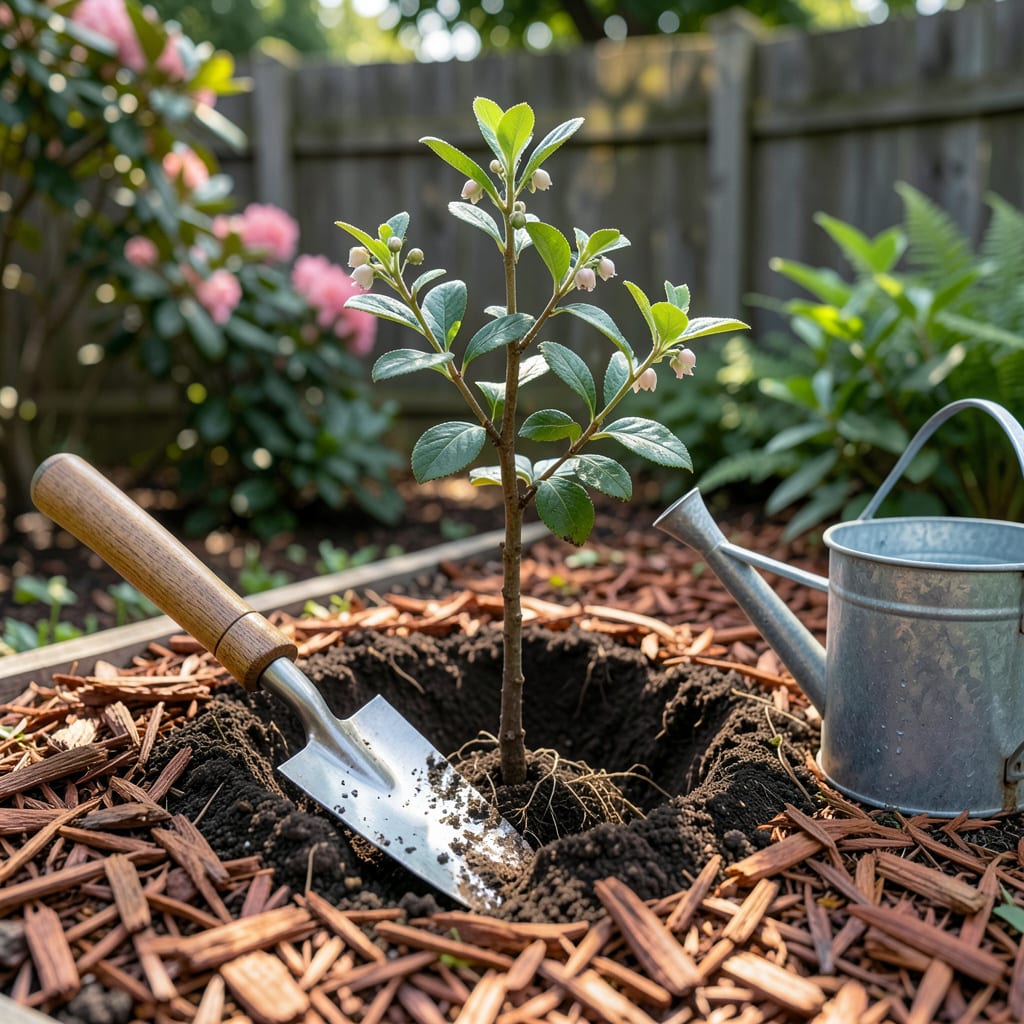
Timing can make or break your blueberry harvest in Pennsylvania. Plant too early, and a late frost might wipe out your bushes. Wait too long, and you’ll miss the sweet spot for root establishment before summer heat arrives.
After years of testing what works in Zones 6a-7b, I’ve nailed down the exact windows—whether you’re in the Piedmont’s rolling hills or along the milder coast. Let’s cut through the guesswork so you can enjoy bushels of plump, homegrown 🫐 blueberries for years to come.
If you’ve ever dreamed of picking plump, sun-warmed blueberries straight from your Pennsylvania garden, timing your planting is the secret. The Keystone State’s diverse climate—from the chilly Piedmont to the milder coastal plains—means planting windows vary dramatically. Get it right, and you’ll enjoy bushels for decades.
In Piedmont’s rolling hills (Zones 6a–6b), early spring (late March to mid-April) is ideal, as soon as the soil thaws and reaches 45°F+. Coastal areas (Zone 7a–7b) can push planting to early April or even late February in sheltered spots. Fall planting? Only for container-grown bushes—and never later than October 1st.
| Region | Best Planting Time | Soil Temp Threshold | Frost Considerations | Variety Recommendations |
|---|---|---|---|---|
| Piedmont (Zones 6a–6b) | Late March–mid-April (spring) September–October 1 (fall, container only) |
≥ 45°F (7°C) | Last frost: April 15–May 1. Avoid low-lying areas! | ‘Duke’ (cold-hardy), ‘Bluecrop’ (reliable) |
| Coastal PA (Zones 7a–7b) | Late February–early April (spring) October 1–15 (fall, container only) |
≥ 50°F (10°C) | Last frost: March 30–April 10. Watch for salt spray! | ‘O’Neal’ (early), ‘Legacy’ (heat-tolerant) |
| Both Regions | Avoid May–August (stress risk) and November–January (dormancy) | Test with a soil thermometer at 6″ depth | Use frost blankets for late spring/early fall plantings | Always plant 2+ varieties for cross-pollination |
Why spring planting wins in PA? It gives roots a full growing season to establish before winter. But if you miss that window, fall planting (September–early October) works for potted bushes—just mulch heavily with pine bark to insulate roots. Pro tip: Bare-root plants must go in spring; their delicate roots can’t handle fall’s temperature swings.
Soil prep is non-negotiable. PA’s native soil often leans alkaline (pH 6.5–7.5), but blueberries demand acidic conditions (pH 4.5–5.5). Amend planting holes with peat moss or pine fines, and test pH annually. In Piedmont’s clay-heavy soil, raised beds improve drainage. Coastal gardeners? Watch for salt buildup—flush soil with fresh water if near the shore.
Microclimates matter! A south-facing slope in Piedmont can be 5–10°F warmer than a north-facing spot, letting you plant 7–10 days earlier. Coastal gardens near buildings or fences gain wind protection but may trap heat—opt for afternoon shade in Zone 7b to prevent scorching. Always plant in full sun (6+ hours daily) for maximum fruit production.
For bare-root blueberries, soak roots in water 1–2 hours before planting. Dig holes twice as wide as the root ball but no deeper—burying the stem invites rot. Space bushes 4–6 feet apart (or 2–3 feet for dwarf varieties like ‘Top Hat’). Water deeply after planting, then mulch with 2–3 inches of pine straw to retain moisture and suppress weeds.
Newly planted blueberries need consistent moisture—aim for 1–2 inches of water weekly (rain + irrigation). Drip irrigation works best to keep foliage dry and prevent fungal diseases. Avoid overhead sprinklers! In Piedmont’s dry summers, check soil moisture daily during the first month. Coastal gardens may need less supplemental water thanks to higher humidity, but don’t let roots dry out.
First-year bushes focus on root growth, not fruit. Pinch off any flowers to direct energy downward. By year two, you’ll see a light harvest; full production kicks in at years 3–5. Prune only to remove dead or crossing branches—heavy pruning waits until winter of the fourth year. Use sharp bypass pruners to avoid tearing bark.
Pennsylvania’s humid summers invite fungal diseases like mummy berry and powdery mildew. Prevent issues with good airflow (space plants properly!) and copper fungicide sprays in early spring. In fall, rake up fallen leaves to eliminate overwintering spores. Coastal gardeners: rinse foliage occasionally to remove salt residue from ocean breezes.
Ready to plant? Grab a soil test kit, your favorite blueberry varieties, and mark your calendar for March 15th (Piedmont) or February 20th (coastal). With the right timing and care, you’ll be harvesting <
Even with perfect timing, a few common blunders can doom your blueberry bushes before they bear fruit. After helping dozens of PA gardeners troubleshoot their struggling plants, I’ve seen the same three mistakes repeat—especially in our state’s tricky Zones 6a–7b. Let’s fix them before you dig!
The #1 killer of PA blueberries? Ignoring soil pH. Our native soil often tests 6.5–7.5 (alkaline), but blueberries require 4.5–5.5 (acidic). Skipping a $10 soil test means stunted growth, yellow leaves, and zero berries. In Piedmont’s clay, mix 50% peat moss into the hole. Coastal gardens? Flush soil with vinegar water (1 cup:1 gallon) if tests show salt buildup.
⚠️ PA Blueberry Danger Zone
Piedmont Pitfall: Planting in low-lying areas where cold air pools—frost risk jumps 30%! Always choose slopes or raised beds.
Coastal Trap: Salt spray from ocean winds burns leaves. Plant 100+ feet from shore or use a burlap windbreak.
Statewide Sin: Skipping mulch—bare soil means weeds + temperature swings. Pine bark mulch (3″ deep) keeps roots happy.
Mistake #2: Planting too deep. The root flare (where roots meet stem) should sit 1–2 inches above soil level. Bury it, and you’ll smother the bush. Dig the hole twice as wide as the root ball but no deeper. For container plants, gently loosen roots if circling, then backfill with your pH-adjusted soil mix.
Finally, watering wrong dooms more blueberries than drought. Overhead sprinklers invite fungal diseases like anthracnose, while inconsistent moisture causes berries to crack. Use drip irrigation on a timer—1–2 inches weekly, delivered before 10 AM. In Piedmont’s dry summers, check soil daily for the first month. Coastal gardens? Rainfall often suffices, but test moisture 2 inches deep—if dry, water!
Bonus PA-specific tip: Deer and rabbits adore blueberry bushes. In Piedmont’s wooded areas, wrap young plants in hardware cloth (4-foot tall). Coastal gardens? Bird netting is a must by June—robins will strip ripe berries overnight. Sprinkle blood meal around the base to deter critters naturally.
Fix these three issues, and you’ll sidestep 90% of PA blueberry failures. Next up: let’s pick the perfect varieties for your region—because even the hardiest bush won’t thrive if it’s not matched to your microclimate and chill hours! 🌱
Choosing the right blueberry variety for your Pennsylvania garden isn’t just about flavor—it’s about matching the plant to your microclimate and chill hours. In Piedmont’s Zone 6a–6b, you’ll need cold-hardy cultivars, while coastal Zone 7a–7b can handle slightly less winter chill.
I’ve tested dozens of varieties across PA and found the top performers for each region. Whether you want early-season berries in June or late-season harvests stretching into August, there’s a perfect match for your garden. Let’s break down the best options by ripening time and region.
| Variety | Ripening Time | Best For | Chill Hours | Key Traits |
|---|---|---|---|---|
| ‘Duke’ | Early (June) | Piedmont | 800–1,000 | Cold-hardy, upright growth, large berries |
| ‘Bluecrop’ | Mid (July) | Statewide | 800+ | Reliable, disease-resistant, heavy producer |
| ‘O’Neal’ | Early (June) | Coastal | 400–500 | Heat-tolerant, sweet flavor, compact |
| ‘Legacy’ | Late (August) | Coastal | 400–500 | Drought-resistant, firm berries, vigorous |
| ‘Patriot’ | Early–Mid (June–July) | Piedmont | 800+ | Dwarf, cold-hardy, great for containers |
| ‘Top Hat’ | Mid (July) | Statewide | 1,000+ | Super dwarf, ornamental, 2–4 ft tall |
For Piedmont gardeners, ‘Duke’ and ‘Patriot’ are my top picks—they handle Zone 6a’s -10°F winters like champs. Pair them with ‘Bluecrop’ for a mid-season boost and extended harvest. These varieties also resist late frosts, which are common in Piedmont’s valleys.
If you’re gardening along the coastal plains, ‘O’Neal’ and ‘Legacy’ thrive in the warmer, humid conditions. ‘O’Neal’ ripens early, while ‘Legacy’ keeps producing into August, giving you fresh berries all summer. Both tolerate salt spray better than other varieties, making them ideal for ocean-adjacent gardens.
Want a container-friendly option? ‘Top Hat’ and ‘Patriot’ stay compact (under 4 feet tall) and produce well in pots. Use a 20-gallon container with drainage holes, and fill it with a 50/50 mix of peat moss and pine bark. Remember: container plants dry out faster, so check moisture daily in summer.
For maximum yield, plant at least two varieties with overlapping bloom times. This ensures cross-pollination, leading to bigger, sweeter berries. In Piedmont, pair ‘Duke’ with ‘Bluecrop’. Coastal gardeners? Try ‘O’Neal’ and ‘Legacy’ together. Space bushes 4–6 feet apart for full-size varieties or 2–3 feet for dwarfs.
Fall planting works only for container-grown bushes in PA, and timing is critical. Aim for September 1–October 1 in Piedmont or October 1–15 along the coast. Bare-root plants must go in spring—their delicate roots can’t handle winter’s freeze-thaw cycles. Always mulch heavily with pine bark to insulate roots.
Test your soil with a $10 pH kit from any garden center. Blueberries need pH 4.5–5.5—most PA soil tests 6.5–7.5 (too alkaline). If your pH is high, amend with peat moss or pine fines at planting. Retest annually; sulfur can help lower pH if it creeps up over time.
Choose dwarf varieties like ‘Top Hat’ or ‘Patriot’ (they stay under 4 feet tall). Use a 20-gallon pot with drainage holes, filled with a 50/50 mix of peat moss and pine bark. Water daily in summer—containers dry out fast. Move pots to a sheltered spot in winter to protect roots from freezing.
Three things guarantee failure: planting too deep (burying the stem), ignoring soil pH (alkaline soil = no berries), or inconsistent watering (drought or soggy roots). Also, never plant in low-lying frost pockets—Piedmont’s valleys can be 5–10°F colder than slopes. Skip mulch, and weeds will outcompete your bush for nutrients.
Yes! Planting at least two varieties with overlapping bloom times boosts yield through cross-pollination. In Piedmont, pair ‘Duke’ (early) with ‘Bluecrop’ (mid-season). Coastal gardeners? Try ‘O’Neal’ and ‘Legacy’ together. Single-variety plantings still produce fruit, but berries will be smaller and fewer. Space bushes 4–6 feet apart for full-size types.
