
Beautiful Plants For Your Interior
Beautiful Plants For Your Interior
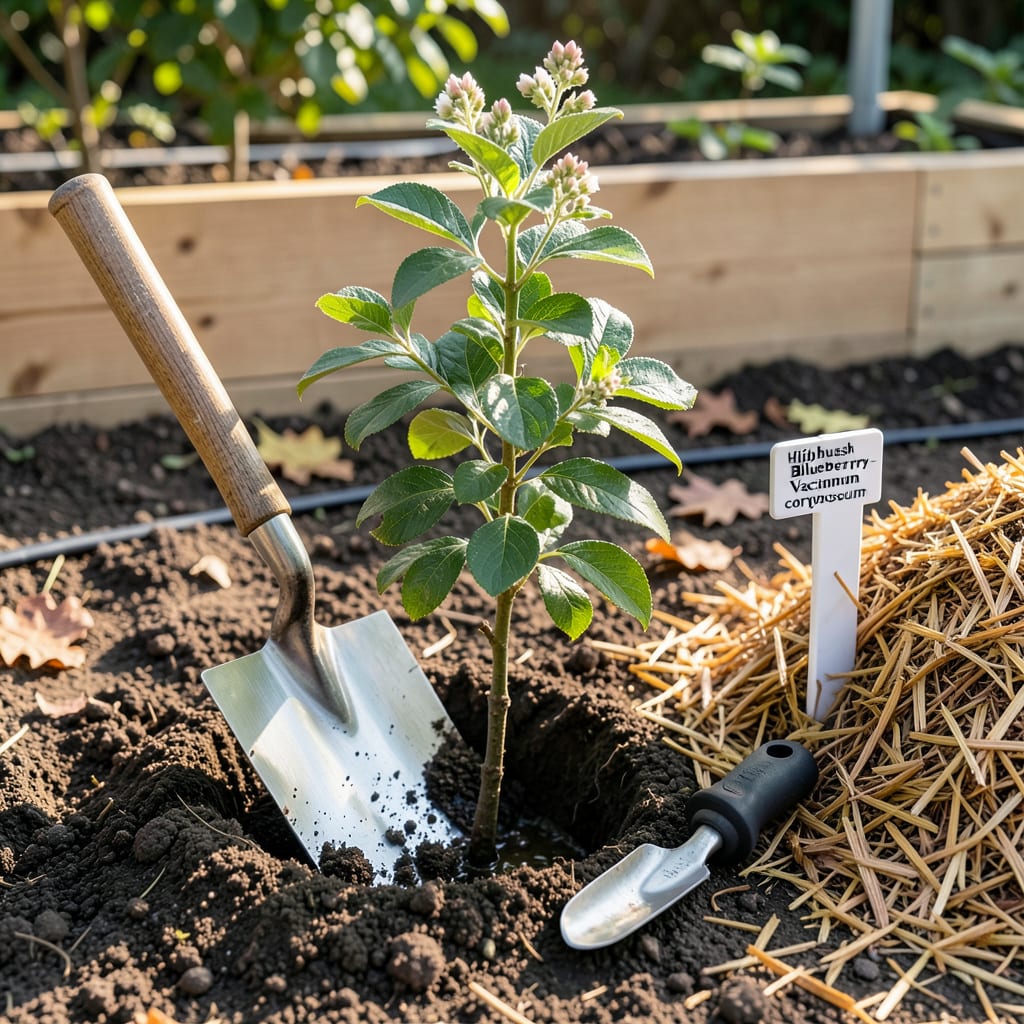
Timing can make or break your blueberry harvest in North Carolina. Plant too early, and late frosts might wipe out your bushes. Wait too long, and you’ll miss the perfect window for strong root growth before summer heat hits.
I’ve seen gardeners struggle with sparse berries or stunted plants—all because they didn’t align planting with NC’s climate. Whether you’re in the Piedmont or along the coast, I’ll show you exactly when to get those 🫐 bushes in the ground for juicy, abundant harvests year after year.
North Carolina’s diverse climate means your blueberry planting window shifts dramatically from the coast to the mountains. In the Coastal Plain, mild winters allow for early spring planting (late February to March), while the Piedmont thrives with March-April timing to avoid late frosts.
Up in the mountain regions, you’ll want to wait until mid-April to early May when soil temps hit a steady 50°F. Fall planting (October-November) works statewide, but I always recommend spring for first-year establishment before winter dormancy.
| NC Region | Ideal Spring Window | Fall Option | Key Consideration |
|---|---|---|---|
| Coastal Plain | Late Feb–March | Oct–Early Nov | Avoid salt spray; amend sandy soil |
| Piedmont | March–Mid-April | Oct–Mid-Nov | Watch for late frosts (April 15 avg.) |
| Mountains | Mid-April–May | Early Oct | Higher elevation = shorter season |
For rabbiteye blueberries (the most common NC variety), aim to plant when soil is workable but not soggy. Stick your finger 2 inches deep—if it’s crumbly and warm, you’re good. Coastal gardeners can push earlier, but Piedmont folks should wait until after April 1 to dodge frost.
The soil temperature sweet spot is 45°F–55°F. Use a cheap soil thermometer (I grab mine for $10 at garden centers). If you’re planting highbush varieties in containers, you’ve got more flexibility—just move pots to shelter if late frosts threaten.
Fall planting works best in Zones 7b–8a (most of eastern NC). Get bushes in the ground 6 weeks before first frost so roots establish. I’ve had great luck with October plantings in Raleigh—the cooler temps reduce transplant shock, and you’ll see explosive growth next spring.
Pro tip: If you’re in the foothills or mountains, avoid fall planting. The shorter growing season means roots may not establish before winter. Stick to spring there, and mulch heavily with pine straw to protect shallow roots from temperature swings.
For container growers, timing is more flexible—just avoid extreme heat or cold. I start my potted blueberries in early March under grow lights, then transition outdoors after last frost. This gives them a 2-month head start on fruiting.
Remember: Blueberries hate wet feet. If your region had a soggy winter (looking at you, Outer Banks), wait until soil drains well. Test by digging a 1-foot hole—if water pools, hold off another week or two. Your patience will pay off in bigger, sweeter berries.
Still unsure? Check your local frost dates via the NC State Extension tool. I plug in my ZIP code every year to confirm my planting window. When in doubt, later is safer than earlier—blueberries bounce back from heat better than frost damage.
Once planted, mark your calendar: Year 1 is all about root growth (pick off flowers), but by Year 3, you’ll be drowning in berries if you nailed the timing. Trust me, that first homemade blueberry cobbler—er, I mean, fresh handful straight from the bush—makes the wait worthwhile! 🫐
Getting your blueberry bushes in the ground correctly is just as important as timing. I’ve found that site selection makes or breaks your harvest. Start by choosing a spot with full sun (6+ hours daily) and well-draining, acidic soil (pH 4.5–5.5).
In North Carolina, our native soil often leans clay-heavy or sandy, so amending is key. I mix in peat moss and pine bark fines to improve drainage and acidity. For heavy clay, consider raised beds filled with a 50/50 blend of pine bark and native soil.
One common mistake I see is planting too deep. Blueberries have shallow root systems, so burying the stem invites rot. If you’re unsure, lay a broomstick across the hole—when the root ball’s top aligns with it, you’re at the right depth.
For container planting, choose a pot at least 18–24 inches wide with drainage holes. Use a mix of 50% peat moss and 50% pine bark. I’ve grown ‘Top Hat’ dwarf blueberries in pots on my patio—they thrive with daily watering and morning sun.
Watering is critical the first year. Keep soil consistently moist but not soggy—1–2 inches per week, adjusting for rain. Drip irrigation works best to avoid wetting leaves (which invites fungus). In summer heat, I water my bushes every 2–3 days if rain is scarce.
Don’t skip the mulch! Pine straw or wood chips keep roots cool and moist. Replenish mulch annually—it breaks down, adding organic matter to the soil. Avoid black plastic, which can overheat roots in our NC summers.
Finally, patience pays off. Blueberries take 2–3 years to bear heavily. In Year 1, focus on root growth; by Year 3, you’ll be harvesting gallons of berries. Trust the process—your future self will thank you! 🫐
Not all blueberries thrive equally in North Carolina’s climate. I’ve tested dozens of varieties and found that rabbiteye types like ‘Climax’ and ‘Premier’ dominate in our humid summers, while highbush varieties like ‘Duke’ excel in cooler Piedmont zones.
The secret? Matching chill hour requirements to your region. Coastal gardeners need low-chill varieties (300–500 hours), while mountain growers should opt for 800+ chill hours. Always check tags at your nursery—they’ll list chill needs and best planting windows.
| Variety | Chill Hours | Best NC Regions | Planting Window | Harvest Time |
|---|---|---|---|---|
| Climax (Rabbiteye) | 450–550 | Coastal Plain, Piedmont | Feb–March | Early June |
| Premier (Rabbiteye) | 500–600 | Statewide | March–April | Mid-June |
| Duke (Highbush) | 800+ | Piedmont, Mountains | April–May | Late June |
| Bluecrop (Highbush) | 800–1000 | Mountains, Foothills | April–Early May | July |
For container gardeners, ‘Top Hat’ and ‘Sunshine Blue’ are my top picks. These dwarf varieties need only 150–300 chill hours and thrive in pots. Plant them in early March under grow lights, then transition outdoors after last frost.
If you’re in eastern NC, prioritize disease-resistant varieties like ‘O’Neal’—our humidity fuels fungal issues. Mountain growers should try ‘Pink Lemonade’ (yes, pink berries!) for its cold hardiness and unique flavor.
Remember: Cross-pollination boosts yields. Plant at least two varieties with overlapping bloom times. I pair ‘Climax’ with ‘Premier’ in my Raleigh garden—they pollinate each other, and I get double the harvest from June through July.
Still deciding? Visit your local NC Cooperative Extension office—they offer free soil tests and variety recommendations tailored to your exact ZIP code. Their experts helped me pick ‘Duke’ for my clay-heavy Piedmont soil, and it’s been my most productive bush for five years running! 🫐
Fall can work well in Zones 7b–8a (eastern NC), but spring is generally safer statewide. Fall-planted bushes need 6 weeks before first frost to establish roots. For mountains or clay-heavy soil, spring planting avoids winter root damage.
Stick your finger 2 inches deep—if the soil is crumbly and warm (50°F+), it’s ready. Avoid planting if soil is soggy or frozen. A cheap soil thermometer from garden centers takes the guesswork out.
Use pots 18–24 inches wide with drainage holes. A 50/50 mix of peat moss and pine bark works best. Start indoors in early March, then move outdoors after last frost. Container plants need daily watering in summer.
Planting too deep! Blueberries have shallow roots, so burying the stem causes rot. Keep the top of the root ball 1–2 inches above ground level. Also, skipping soil pH testing—blueberries need 4.5–5.5 pH.
Pick off flowers in Year 1 to focus on root growth. You’ll see a few berries in Year 2, but full harvests start in Year 3. Proper timing and care mean bushes can produce for 20+ years.
