
Beautiful Plants For Your Interior
Beautiful Plants For Your Interior
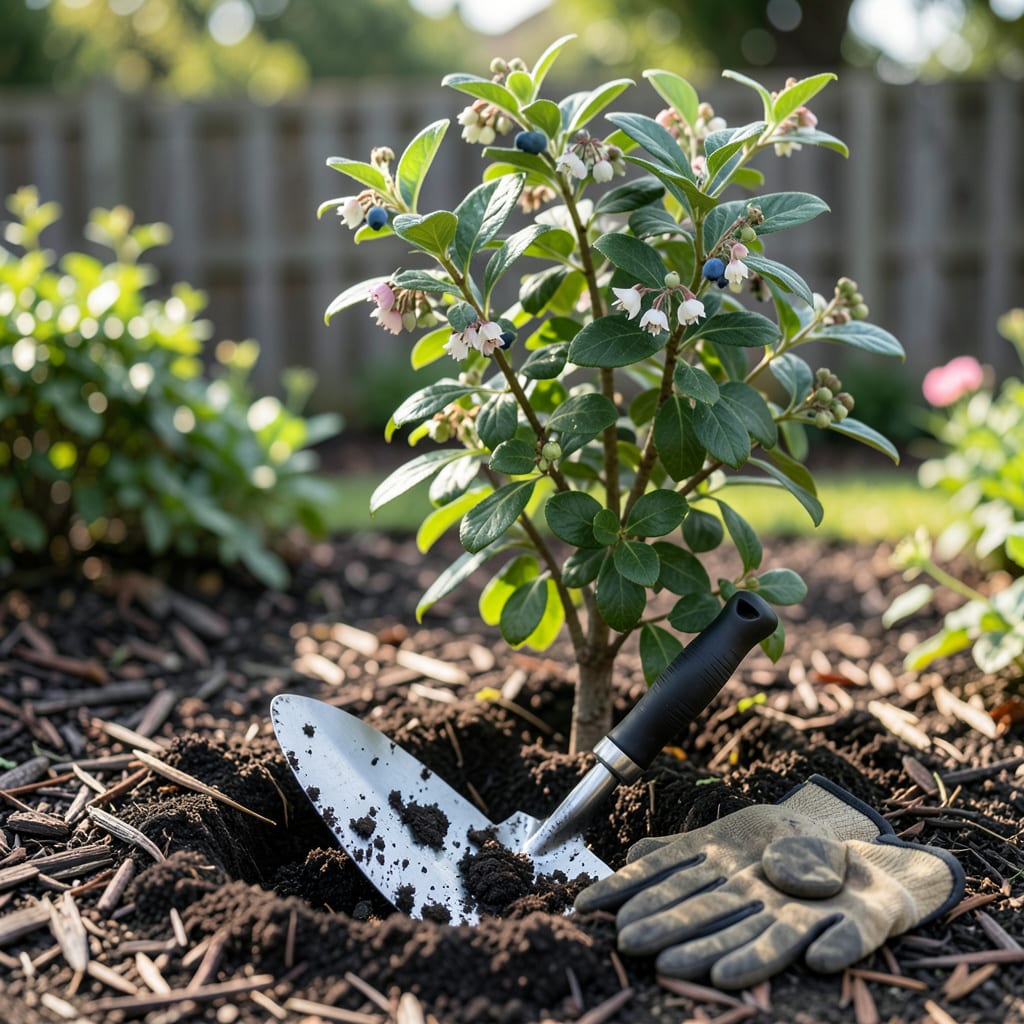
Imagine planting your 🫐 blueberry bushes with excitement, only to watch them struggle—or worse—succumb to Michigan’s unpredictable frosts. The difference between thriving plants and a failed harvest often comes down to just a few weeks of timing.
After years of testing and talking to local growers, I’ve nailed down the exact windows for planting in zones 5a-6b. Whether you’re in Traverse City or Detroit, I’ll show you how to sync with Michigan’s climate—so your bushes establish strong roots and reward you with buckets of fruit for decades.
If you’re dreaming of plump, juicy Michigan blueberries straight from your backyard, timing your planting is everything. Our state’s USDA zones 4-6 create a patchwork of microclimates, meaning what works in Detroit (zone 6b) won’t fly in Marquette (zone 4). I’ve lost count of how many gardeners I’ve helped rescue stunted bushes planted too early in cold soil!
The sweet spot? Early spring (April-May) after the last frost when soil temps hit 45°F+, or early fall (September-October) to give roots a head start before winter. But here’s the kicker: Upper Peninsula gardeners need to adjust 2-3 weeks later than those in southern Michigan due to those pesky lake-effect frosts.
| USDA Zone | Location Examples | Spring Window | Fall Window | Last Frost Date |
|---|---|---|---|---|
| Zone 4 | Upper Peninsula, Houghton | May 1 – June 1 | Sept 1 – Sept 30 | May 30 |
| Zone 5a | Traverse City, Grand Rapids | April 15 – May 15 | Sept 10 – Oct 10 | May 15 |
| Zone 5b | Lansing, Kalamazoo | April 10 – May 10 | Sept 15 – Oct 15 | May 10 |
| Zone 6a | Detroit, Ann Arbor | April 1 – April 30 | Sept 20 – Oct 20 | April 25 |
| Zone 6b | Monroe, Benton Harbor | March 25 – April 20 | Sept 25 – Oct 25 | April 20 |
Notice how zone 6b gardeners near Lake Erie can plant a full month earlier than those in the UP? That’s thanks to the lake’s warming effect. I always tell my Traverse City clients to watch their soil thermometer—don’t just rely on calendar dates! Cold, wet soil below 45°F will shock bare-root plants.
For fall planting, the magic window closes when nighttime temps dip below 40°F. In southern Michigan, you’ve got until mid-October, but up north? Aim to finish by September 30. Pro tip: Container-grown plants handle fall planting better than bare-root—they’ve got established roots to survive winter.
Here’s a little-known secret: ‘Bluecrop’ varieties need 800+ chill hours (temps below 45°F), making them perfect for zones 4-5. But in zone 6, I recommend ‘Duke’ or ‘Patriot’—they require fewer chill hours and won’t get fooled by our increasingly mild winters.
Don’t forget about microclimates! If you’re near Lake Michigan, your last frost might be 10 days later than inland areas. And urban heat islands? Detroit gardeners often plant 7-10 days earlier than surrounding rural areas. When in doubt, check with your local MSU Extension office for hyper-local data.
For spring planting, I swear by this trick: cover new bushes with frost blankets if nighttime temps dip below 28°F. Those tender new leaves can’t handle late frosts! And in fall, mulch heavily (4-6 inches of pine bark) to protect shallow roots from freeze-thaw cycles.
Remember, soil prep is just as crucial as timing. Michigan’s naturally alkaline soils need amending with sulfur or peat moss to reach that 4.5-5.5 pH blueberries crave. I’ve seen more bushes die from wrong pH than wrong planting dates! Test your soil 3 months before planting to give amendments time to work.
Whether you’re in Copemish (the blueberry capital!) or metro Detroit, the key is watching soil temps, not just air temps. Stick a meat thermometer 6 inches deep—when it reads 50°F+ for 3 consecutive days, you’re good to plant. And always water deeply after planting to eliminate air pockets around those delicate roots! 🌱
I get asked this question constantly: Should I plant blueberries in spring or fall? After testing both seasons across Michigan’s zones, I can tell you there’s no one-size-fits-all answer. Each season offers unique advantages—and some serious pitfalls if you’re not prepared.
Spring planting (April-May) gives bushes the entire growing season to establish roots before winter. But here’s the catch: late frosts can wipe out tender new growth, especially in zones 4-5. Fall planting (September-October) avoids this risk, but bushes need 6-8 weeks before ground freezes to develop roots.
Here’s my hard-won advice: In zones 4-5 (Upper Peninsula, northern Lower Peninsula), fall planting often wins. The cooler temps and consistent moisture give roots time to establish without frost damage to leaves. But in zone 6 (southern Michigan), spring planting lets you avoid winter dieback risks.
For container-grown plants, fall is my top choice—they handle transplant shock better with established root systems. But if you’re planting bare-root bushes, spring is safer. Those delicate roots need warm soil to recover from shipping stress.
Watering makes or breaks fall-planted bushes. I use soaker hoses to deliver 1-2 gallons per plant weekly until ground freezes. Spring-planted bushes need even more attention—daily checks for the first two weeks, then tapering to 3x weekly if rain is scarce.
Mulching strategies differ too! Spring plants get 2-3 inches of pine bark to retain moisture. Fall plants need 4-6 inches to insulate roots from freeze-thaw cycles. I’ve saved countless bushes by adding extra mulch right before the first hard frost.
Remember: ‘Bluecrop’ varieties planted in fall in zone 4 need winter protection—wrap stems with burlap to prevent rodent damage. In spring, watch for bird net needs as soon as leaves emerge. Both seasons require acidic fertilizer (4-3-6 NPK) at planting time.
My final verdict? If you’re in southern Michigan (zone 6) and can commit to frost protection, spring planting gives you 20% faster first-year growth. But for northern gardeners, fall’s reliability makes it my top recommendation—just plant by September 30! 🪴
I’ve seen too many Michigan gardeners watch their blueberry bushes struggle—or even die—because of avoidable mistakes. After helping dozens of growers troubleshoot their plants, I’ve identified the five most common pitfalls that sabotage blueberry success in our state’s unique climate.
The number one killer? Ignoring soil pH. Michigan’s naturally alkaline soils (often pH 7.0+) will slowly starve your blueberries. These acid-loving plants require pH 4.5-5.5 to absorb nutrients. I’ve rescued bushes with purple, stunted leaves by amending with elemental sulfur or peat moss.
⚠️ CRITICAL WARNING:
Never plant blueberries without testing your soil first! Use a home pH test kit or send samples to MSU Soil Lab. For every 1 point pH reduction, you’ll need 1 lb sulfur per 100 sq ft—work it in 3 months before planting.
Another fatal error? Poor drainage. Blueberries hate “wet feet” and will develop root rot in soggy soil. I always recommend planting in raised beds (12-18 inches high) or on gentle slopes if your yard stays wet. In heavy clay areas, mix in 50% pine bark fines to improve drainage.
Incorrect spacing causes long-term problems too. Planting too close (under 4 feet) leads to poor air circulation and disease pressure. I use this rule: 4 feet for dwarf varieties, 6 feet for standard. And don’t forget cross-pollination—plant at least two different varieties within 50 feet for maximum fruit set.
Many gardeners also overlook chill hour requirements. Varieties like ‘Bluecrop’ need 800+ hours below 45°F to set fruit. In warming zone 6 areas, I recommend low-chill varieties like ‘Duke’ (500 hours) or ‘Patriot’ (600 hours) to ensure consistent yields as our winters become milder.
Finally, timing mistakes with bare-root vs. container plants cause failures. Bare-root bushes must go in during early spring dormancy (March-April), while container plants can be planted spring or fall. I’ve seen bare-root plants planted in fall struggle to establish before winter—stick to container-grown for fall planting success. 🌱
For spring planting, bare-root bushes are ideal—they establish quickly in warming soil. But in fall, always choose container-grown plants since their developed roots handle winter stress better. Bare-root planted after June 1 often struggle to recover before dormancy.
Use frost blankets or row covers when temps drop below 28°F. For zone 4-5 gardeners, keep covers handy until May 30. In zone 6, remove covers by mid-May to prevent heat buildup. Water plants before frost—moist soil retains heat better!
They’ll survive with 4-6 hours of sun, but fruit production drops dramatically. In southern Michigan (zone 6), afternoon shade helps prevent heat stress. Northern gardeners (zones 4-5) should prioritize full sun—our shorter season demands maximum light for ripening.
Mix 1/2 cup elemental sulfur per plant into the top 6 inches of soil 3 months before planting. For immediate results, use cottonseed meal (1 cup per bush) or vinegar solution (1 cup white vinegar in 1 gallon water). Retest pH after 4 weeks.
Expect small harvests in year 2, with full production by year 3. ‘Patriot’ varieties often fruit a year earlier than ‘Bluecrop’. Remove all flowers the first year to redirect energy to root growth—this doubles your long-term yield!
