
Beautiful Plants For Your Interior
Beautiful Plants For Your Interior
Imagine biting into a plump, sun-warmed blueberry straight from your Louisiana garden—sweet, juicy, and bursting with flavor. That dream starts with one critical decision: timing your planting just right for our unique Zone 8a-9a climate.
Plant too late, and your 🫐 bushes may struggle with summer heat before establishing roots. Go too early, and unexpected frost could set them back. I’ll show you the perfect winter window to set up your blueberries for success—and how to avoid the costly mistakes most Louisiana gardeners make.
If you’re dreaming of buckets of juicy blueberries straight from your Louisiana garden, timing is everything. Our state’s USDA Zones 8a-9b give us a unique advantage—mild winters and long growing seasons—but you’ve got to work with the climate, not against it. Plant too late, and your bushes will struggle with summer heat before they’re established.
Here’s the golden rule: Bare-root blueberries thrive when planted in late fall to early winter (November–February), while container-grown plants can go in as early as March in Zone 9b. The key is giving roots time to establish before Louisiana’s scorching summers hit. Let’s break it down by zone and month so you can plan like a pro.
| Zone | Ideal Months | Soil Temp | Notes |
|---|---|---|---|
| 8a (North LA) | Dec–Feb | 55–65°F | Plant bare-root while dormant; avoid late freezes (watch for March surprises!). |
| 8b (Central LA) | Nov–Jan | 60–70°F | Earlier planting works here—roots establish faster in warmer soil. Mulch heavily to retain moisture. |
| 9a–9b (South LA) | Oct–Feb | 65–75°F | Longest window! Container plants can go in as late as March. Watch for humidity-related fungi. |
Pro Tip: Test soil pH before planting—blueberries need 4.5–5.5 pH. Amend with sulfur or pine bark if needed.
In North Louisiana (Zone 8a), I recommend sticking to the December–February window. The goal is to get plants in the ground while they’re dormant but before spring growth kicks in. A late-fall planting (November) can work if you mulch heavily to protect roots from potential cold snaps.
Down in South Louisiana (Zones 9a-9b), you’ve got more flexibility. I’ve seen gardeners plant as early as October or as late as March with success, especially if using container-grown plants. Just avoid planting during peak summer—the heat stress isn’t worth the risk.
No matter where you are in the state, soil prep is non-negotiable. Blueberries demand acidic, well-draining soil. If your soil is heavy clay (common in Louisiana), mix in pine bark fines or peat moss to improve drainage and lower pH. A quick soil test from your local extension office can save you years of frustration.
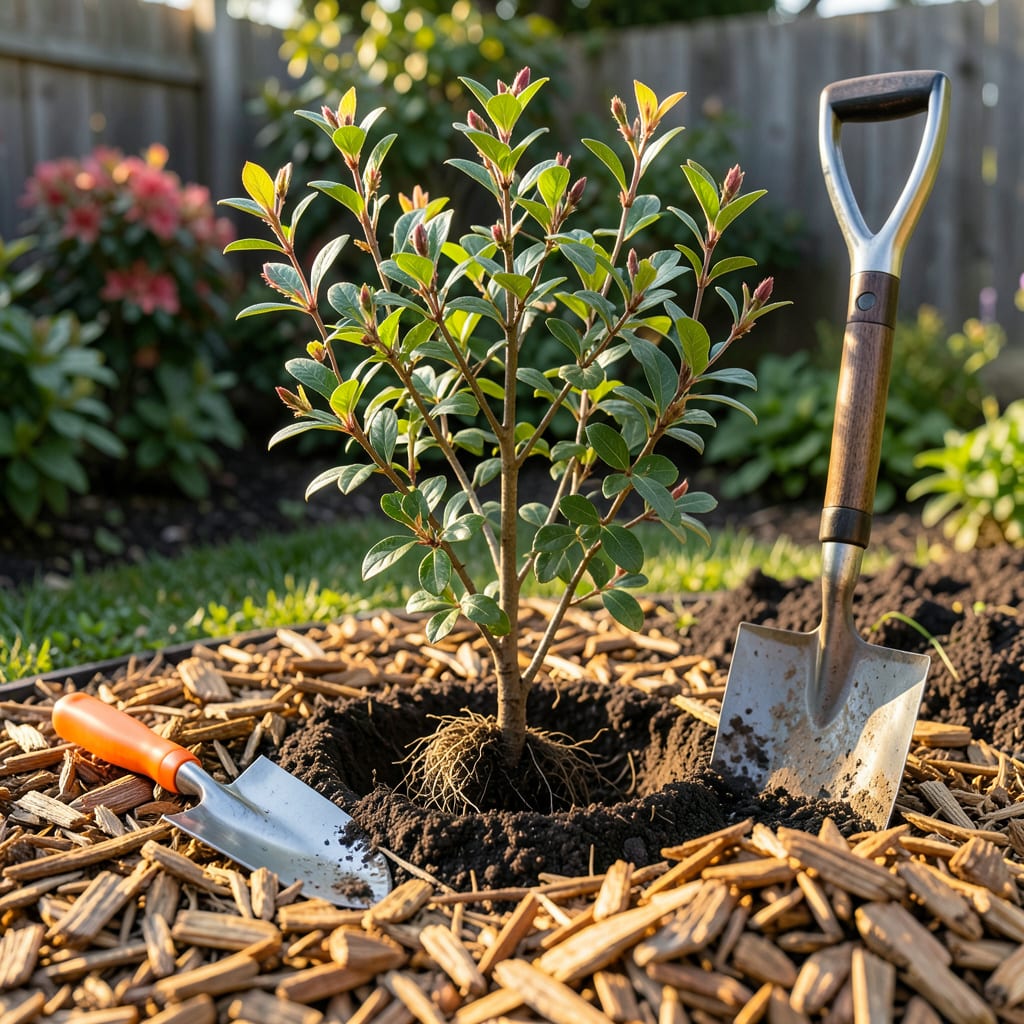
If you’re planting bare-root blueberries, soak the roots in water for an hour before planting. Dig a hole twice as wide as the root ball but no deeper. For container-grown plants, gently loosen the roots if they’re circling the pot. Both types benefit from a 2–3 inch layer of mulch (pine straw works great) to retain moisture and suppress weeds.
Water deeply after planting, then keep the soil consistently moist (but not soggy) for the first few weeks. In Louisiana’s humidity, morning watering is best to prevent fungal issues. If you’re planting multiple bushes, space them 4–6 feet apart for airflow—this helps reduce disease pressure in our humid climate.
One thing I’ve learned the hard way: Don’t skip the mulch. Pine straw, wood chips, or even leaves work well. Mulch keeps roots cool in our hot summers and protects shallow blueberry roots from drying out. Reapply every year to maintain a 2–4 inch layer, but keep it a few inches away from the stem to prevent rot.
Finally, if you’re in Zone 9b and tempted to plant in early spring, go for it—but choose container-grown plants from a reputable nursery. Bare-root plants planted in spring often struggle to establish before the heat hits. And no matter when you plant, net your bushes by harvest time (May–July) to keep birds from stealing your berries!
With the right timing and prep, you’ll be harvesting pint after pint of sweet, plump blueberries in just a couple of years. Trust me, there’s nothing like picking your own berries on a warm Louisiana morning—it’s worth the effort! 🌱
I’ve seen too many Louisiana gardeners plant blueberries with high hopes, only to end up with stunted bushes or zero fruit. The culprits? Three avoidable mistakes that can derail your harvest before it even starts. Let’s tackle them head-on so you don’t repeat these costly errors.
First up: Planting at the wrong time. Louisiana’s long growing season might trick you into thinking spring planting is fine, but our summer heat can be brutal on young plants. Bare-root blueberries planted in March often struggle to establish roots before temperatures soar. Stick to winter planting (November–February) for best results.
Fix these, and you’ll double your chances of a bountiful harvest!
The second mistake is skipping soil prep. Blueberries are picky about their roots—they demand acidic, well-draining soil. Our Louisiana clay? Not ideal. I’ve rescued struggling plants by amending soil with pine bark fines or peat moss to lower pH and improve drainage.
Here’s how to test: Grab a soil pH kit from your local extension office or garden center. If your pH is above 5.5, mix in elemental sulfur (follow package rates) or work in 3–4 inches of pine bark into the top 6 inches of soil. This isn’t a one-time fix—retest every year and re-amend as needed.
Third, many gardeners choose the wrong blueberry variety for our climate. Not all blueberries handle Louisiana’s heat and humidity equally. Rabbiteye varieties like ‘Climax’ or ‘Tifblue’ are my top picks—they’re bred for the South and handle our humidity like champs. ‘Southern Highbush’ types like ‘Star’ or ‘Jewel’ also perform well but may need more attention to soil moisture.
If you’re planting multiple bushes (and you should for better pollination!), space them 4–6 feet apart. This gives each plant enough room for airflow, which is critical in our humid climate to prevent fungal diseases. I’ve lost plants to root rot from overcrowding—don’t make the same mistake!
Finally, don’t forget the mulch! A 2–3 inch layer of pine straw or wood chips keeps roots cool, retains moisture, and suppresses weeds. Reapply every year, but keep mulch a few inches away from the stem to prevent rot. This simple step can make or break your blueberry success in Louisiana’s climate.
Fix these three mistakes, and you’ll be well on your way to harvesting pints of sweet, juicy blueberries for years to come. Trust me, your future self will thank you when you’re snacking on homegrown berries straight from the bush! 🪴
Not all blueberries thrive in Louisiana’s steamy summers and humid winters. After years of testing, I’ve found the varieties that laugh at our heatwaves and still pump out sweet, plump berries. The secret? Choosing cultivars bred for the Gulf Coast climate.
For most Louisiana gardeners, Rabbiteye blueberries are the gold standard. These tough plants handle our high humidity and need fewer chill hours than Northern varieties. But if you want earlier harvests or smaller bushes, Southern Highbush types deserve a spot in your garden too.
| Variety | Type | Chill Hours | Harvest Time | Best For |
|---|---|---|---|---|
| Climax | Rabbiteye | 350–450 | Early June | First ripe berries of season |
| Premier | Rabbiteye | 400–500 | Mid-June | Heavy producer, disease-resistant |
| Tifblue | Rabbiteye | 450–550 | Late June | Large berries, heat-tolerant |
| Star | Southern Highbush | 200–300 | Early May | Earliest harvest, compact size |
| Jewel | Southern Highbush | 250–350 | Mid-May | Sweet flavor, good for containers |
Pro Tip: Plant at least 2 different varieties for cross-pollination and extended harvest season.
If you want the earliest blueberries, ‘Star’ is your best bet—it ripens in early May and only needs 200–300 chill hours. I love pairing it with ‘Climax’ for a 6-week harvest window. The flavor difference between early and late varieties is amazing!
For low-maintenance reliability, you can’t beat Rabbiteye varieties. ‘Premier’ is my top pick—it’s a heavy producer with excellent disease resistance. In my Baton Rouge garden, one mature ‘Premier’ bush yields 10–15 pounds of berries annually with minimal fuss.
Container gardeners should try ‘Jewel’ or ‘Star’. These Southern Highbush varieties stay compact (4–6 feet tall) and thrive in 15-gallon pots with acidic potting mix. Just remember: potted blueberries dry out faster, so check soil moisture every 2–3 days in summer.
No matter which varieties you choose, give them full sun (6+ hours daily) and acidic soil (pH 4.5–5.5). I’ve found that mixing 50% native soil with 50% pine bark fines creates the perfect planting medium. And don’t forget to net your bushes—Louisiana’s birds will devour ripe berries overnight! 🪴
Louisiana’s mild winters (December–February) give roots time to establish before summer heat arrives. Bare-root plants thrive when dormant, while container-grown ones can go in as late as March in Zone 9b.
Yes, but choose Southern Highbush varieties like ‘Star’ or ‘Jewel’. Use 15-gallon pots with acidic potting mix (50% pine bark). Water every 2–3 days in summer—potted plants dry out faster!
In North Louisiana (Zone 8a), cover plants with frost cloth if temps drop below 25°F. Mulch heavily with pine straw to insulate roots. South Louisiana rarely needs protection.
Mix elemental sulfur (1–2 lbs per 100 sq ft) into the top 6 inches of soil before planting. For quicker results, use cottonseed meal or vinegar solution (1 cup white vinegar per gallon of water). Retest pH annually.
