
Beautiful Plants For Your Interior
Beautiful Plants For Your Interior
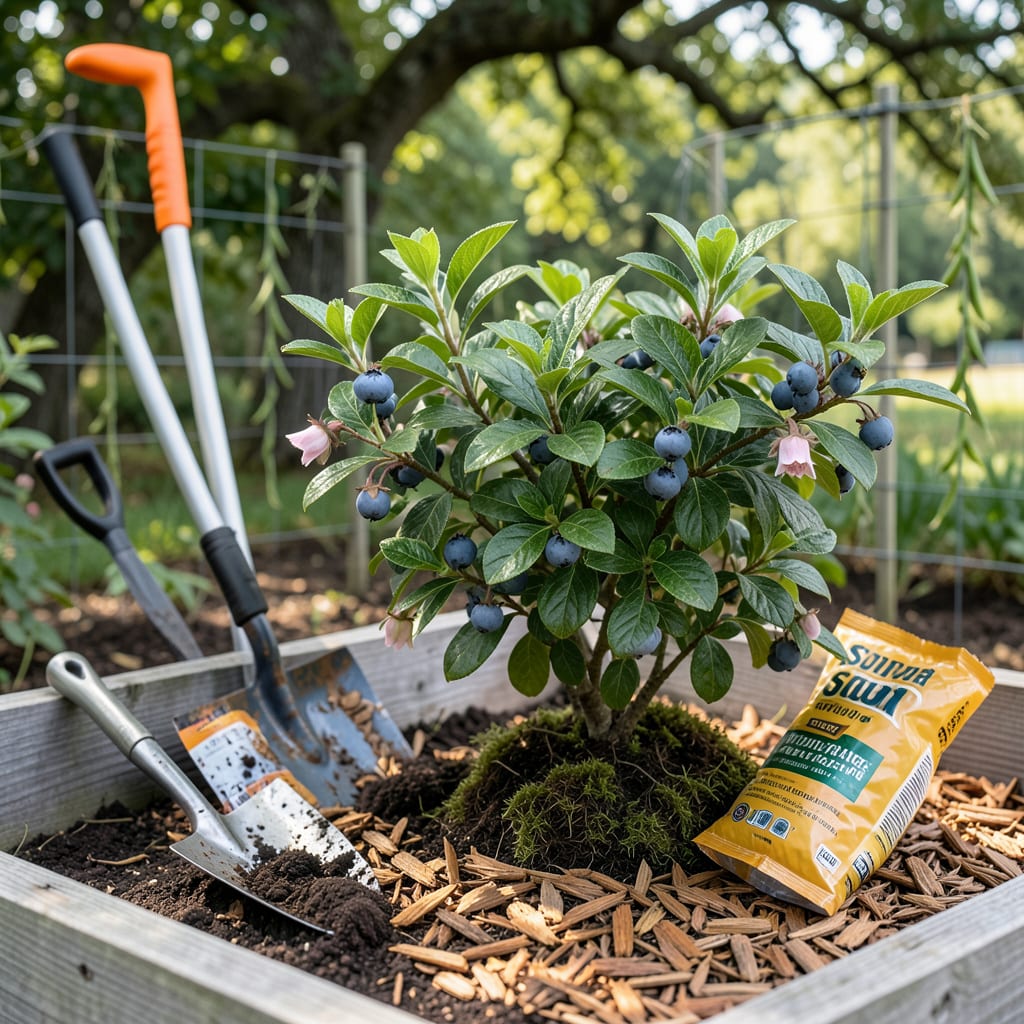
Alabama’s warm climate might trick you into thinking blueberries can go in the ground anytime—but timing is everything. Plant too early, and a late frost could wipe out your young bushes. Wait too long, and the summer heat will stress them before they establish roots.
After years of testing what works (and what doesn’t) in Alabama’s USDA Zones 7–9, I’ve nailed down the perfect window for planting blueberries. Here’s how to sync with the seasons, prep your soil like a pro, and set your bushes up for years of bountiful harvests—without the guesswork.
Alabama’s diverse climate means the perfect planting window for blueberries varies by region. In Northern Alabama (Zone 7), aim for late February to early March, just before the last frost. Central Alabama (Zone 8) gardeners should plant in early to mid-March, while Southern Alabama (Zone 9) can push planting to late March.
The key is soil temperature—wait until it reaches 45–50°F at a 4-inch depth. Bare-root plants need dormant-season planting, while container-grown blueberries offer more flexibility. Avoid planting during summer heat waves, as young plants struggle to establish roots in scorching temps.
| Region | USDA Zone | Ideal Planting Window | Last Frost Date |
|---|---|---|---|
| Northern Alabama | Zone 7 | Late Feb – Early March | April 1–15 |
| Central Alabama | Zone 8 | Early – Mid March | March 15–30 |
| Southern Alabama | Zone 9 | Late March – Early April | Feb 15–March 1 |
💡 Pro Tip: Bare-root plants need 6+ weeks before last frost; container plants can go in 2–3 weeks after.
For fall planting, Northern Alabama gardeners can try October–November, but Southern Alabama’s mild winters make fall less ideal. Always mulch heavily (3–4 inches of pine straw) to protect shallow roots from temperature swings. If you miss the spring window, container planting in summer is possible—just provide afternoon shade and daily watering.
Rabbiteye blueberries (like ‘Climax’ or ‘Premier’) thrive in Alabama’s heat and humidity, requiring 100–200 chill hours. Southern highbush varieties (e.g., ‘Jewel’) need fewer chill hours but demand consistent moisture. Test your soil’s pH—Alabama’s clay often needs sulfur amendments to reach the ideal 4.5–5.5 range.
Watch for late frosts in Zone 7—cover new plants with frost cloth if temps dip below 28°F. In Zone 9, drought stress is a bigger risk; install drip irrigation to maintain even moisture. Remember: first-year plants focus on root growth, not fruit. Remove flowers to redirect energy underground.
If you’re planting multiple bushes, space them 4–6 feet apart for airflow (critical in Alabama’s humid summers). For hedgerows, 8–10 feet between rows prevents disease. Elevate beds in low-lying areas to avoid root rot—Alabama’s heavy rains can waterlog soil quickly.
Not sure when to plant? Check your local soil temperature with a thermometer—50°F at 4-inch depth is the magic number. Or observe nature: plant when dogwoods bloom in your area. This natural cue aligns perfectly with blueberry planting time across Alabama’s zones.
For container planting, use 15–20 gallon pots with acidic potting mix. Move pots to partial shade by June to prevent heat stress. Container plants dry out faster, so check moisture daily in summer. In winter, group pots together and mulch heavily to protect roots from freeze-thaw cycles.
Still unsure? Visit your local Cooperative Extension office for soil tests and hyper-local advice. They often provide free pH testing and can recommend blueberry varieties proven to thrive in your specific Alabama county. With the right timing and care, your blueberry bushes will reward you with decades of harvests—some Alabama plants produce for 30+ years!
Alabama’s clay-heavy, acidic soil can be a challenge for blueberries—but with the right prep, it becomes their perfect home. The secret? Testing your pH before planting. Blueberries demand 4.5–5.5 pH, yet most Alabama soil tests at 6.0 or higher.
Start by taking 3–5 soil samples from your planting site (6 inches deep). Mix them in a clean bucket and test with a home pH kit or send to your county Extension office for free analysis. If your pH is too high, work in elemental sulfur (1 lb per 100 sq ft) or pine bark fines 3 months before planting.
✅ Pro Tip: For container planting, use 15+ gallon pots with pre-mixed acidic potting soil (like Miracle-Gro® Azalea, Camellia, Rhododendron mix).
For bare-root plants, soak roots in water 1–2 hours before planting. Prune broken roots with clean shears. Container plants need root teasing—gently loosen circling roots to encourage outward growth. Both types benefit from a starter fertilizer (like Espoma Holly-Tone) mixed into the backfill.
After planting, prune back 1/3 of top growth to balance root loss during transplant. This shocks the plant less and directs energy to root establishment. In Alabama’s Zone 7–9, expect first-year growth of 12–18 inches if conditions are ideal. Remove all flowers the first year—yes, even if it pains you!—to strengthen the plant.
Mulching is non-negotiable in Alabama. Apply 3–4 inches of pine straw (not hay) in a 3-foot diameter around each bush. This maintains moisture, suppresses weeds, and slowly acidifies soil as it breaks down. Refresh mulch twice yearly—spring and fall—to keep the root zone cool.
For watering, think deep and infrequent. New plants need 1–1.5 inches weekly (including rain). Use a drip line or soaker hose to deliver water to roots, not leaves—this prevents fungal diseases. In summer heat, check soil moisture 2 inches deep; if dry, water immediately. Alabama’s afternoon thunderstorms don’t always provide enough deep soaking.
Not sure which variety to choose? ‘Climax’ and ‘Premier’ (Rabbiteye types) are Alabama classics, thriving in heat and humidity with 100–200 chill hours. For smaller spaces, try ‘Jewel’ (Southern Highbush), which needs only 150 chill hours but produces berries earlier. Always plant at least two varieties for cross-pollination and bigger yields.
Even experienced Alabama gardeners can stumble when planting blueberries. The biggest mistake I see? Ignoring soil pH. Our native clay often tests at 6.0–7.0 pH, but blueberries require 4.5–5.5. Without amendments like sulfur or peat moss, your bushes may survive but never thrive—or worse, they’ll slowly decline.
Another critical error is misjudging chill hours. Alabama’s mild winters mean some varieties (like Northern Highbush) won’t fruit well here. Always choose Rabbiteye (100–200 chill hours) or Southern Highbush (150–300 chill hours) for reliable harvests. Planting a variety that needs 800+ chill hours? You’ll get leaves but no berries.
💡 Bonus Tip: If your blueberry leaves turn yellow with green veins, that’s iron chlorosis—a sure sign of high pH. Treat with chelated iron or soil sulfur immediately.
A third common mistake is poor spacing. Crowded blueberries invite fungal diseases in our humid summers. Give each bush 4–6 feet of space (8–10 feet for rows). Airflow is your best defense against powdery mildew and fruit rot. If space is tight, opt for dwarf varieties like ‘Peach Sorbet’ in containers.
Many gardeners also forget to mulch—or use the wrong type. Pine straw is ideal because it acidifies soil as it breaks down. Avoid hay or grass clippings, which can raise pH and harbor weeds. Apply 3–4 inches in a 3-foot diameter around each bush, replenishing twice yearly. Mulch keeps roots cool in our 100°F summers.
Finally, don’t fertilize at planting. Fresh amendments or fertilizer can burn tender roots. Wait 4–6 weeks after planting to apply a balanced acidic fertilizer (like Espoma Holly-Tone). First-year plants should focus on root growth, not fruit—remove all flowers to direct energy underground. Patience pays off: well-established bushes yield 5–10 lbs of berries annually by year 3.
If you’ve already planted and see stunted growth or yellowing leaves, don’t panic. Soil tests from your county Extension office (often free!) can pinpoint issues. For container plants, leach the soil with distilled water to flush excess salts, then repot with fresh acidic mix. With the right fixes, even struggling blueberries can bounce back in a season.
In Northern Alabama (Zone 7), aim for early March at the latest. Central Alabama (Zone 8) can push to mid-March, while Southern Alabama (Zone 9) has until early April. After these windows, summer heat risks stressing young plants before they establish roots.
Container planting extends the season. Use 15–20 gallon pots with acidic potting mix, and place in morning sun/afternoon shade to avoid heat stress. Water daily in summer, as pots dry out faster than ground soil.
This is classic iron chlorosis, caused by high soil pH (Alabama’s clay often tests 6.0+). Blueberries need 4.5–5.5 pH. Fix it by amending soil with elemental sulfur or treating with chelated iron. Retest pH after 3 months.
Yes! Blueberries require cross-pollination for best yields. Plant at least two different varieties (e.g., ‘Climax’ + ‘Premier’ Rabbiteye) within 50 feet of each other. Single bushes may produce fruit, but harvests will be smaller and less consistent.
Water deeply 2–3 times per week (1–1.5 inches total), focusing on the root zone. Use a soaker hose to avoid wetting leaves, which invites fungal diseases. Check moisture 2 inches deep—if dry, water immediately. Alabama’s afternoon storms rarely provide enough deep soaking.
