
Beautiful Plants For Your Interior
Beautiful Plants For Your Interior
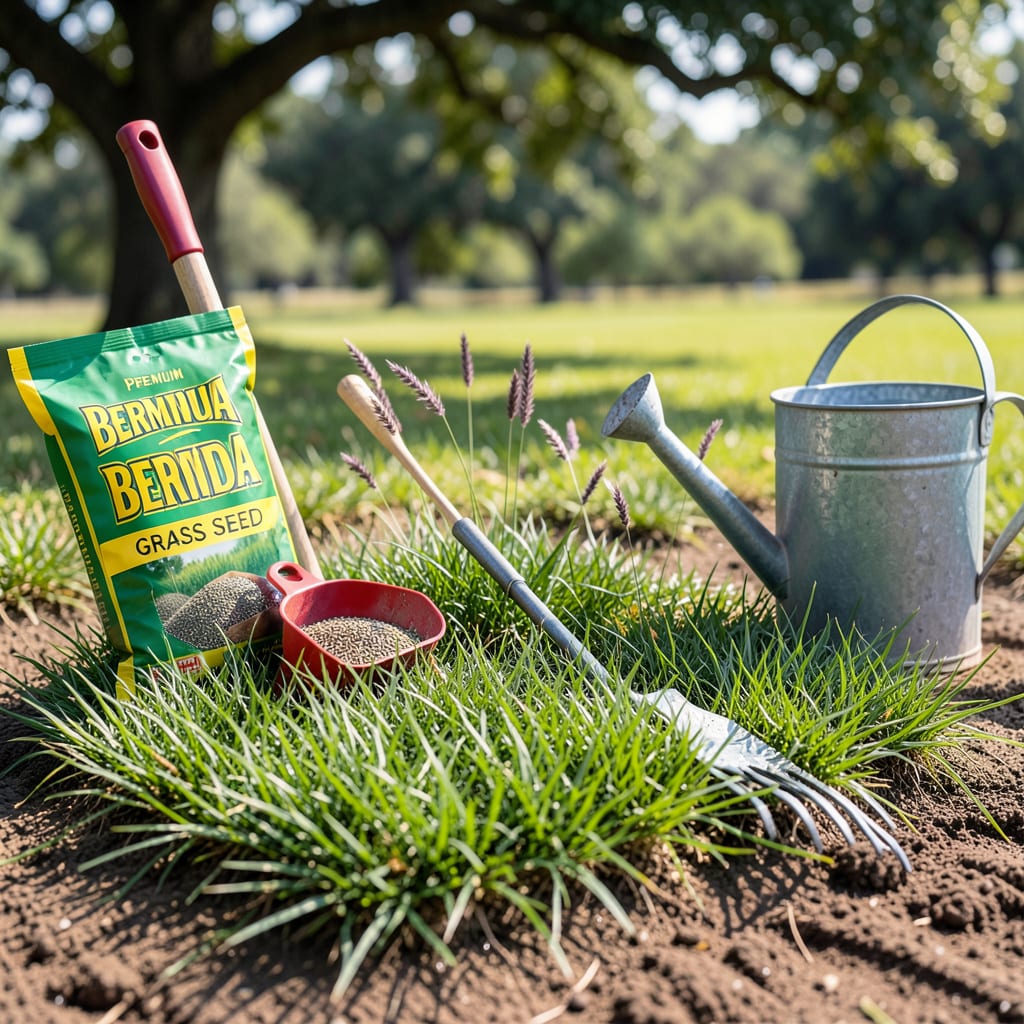
Timing your Bermuda grass planting in Oklahoma can mean the difference between a patchy yard and a lush, resilient lawn. The state’s unpredictable weather—with late frosts and sudden heatwaves—makes nailing the perfect window absolutely critical.
I’ve seen too many homeowners struggle after planting too early or too late. The good news? With the right timing (and a few pro tips), you can establish a thick, vibrant lawn that thrives through Oklahoma’s tough summers. Let’s break down exactly when and how to get it right.
If you want a thick, resilient Bermuda grass lawn in Oklahoma, timing is everything. The state’s three distinct climate zones—Eastern, Central, and Western—each have unique planting windows. The key? Wait until soil temperatures hit 65°F or higher, which usually happens between mid-April and early June.
In Eastern Oklahoma (like Tulsa), cooler springs mean you’ll plant later than in the Western panhandle. Meanwhile, Central Oklahoma (Oklahoma City) falls somewhere in between. I’ll break down the exact windows so you don’t risk frost damage or heat stress on your new grass. Let’s dig into the details.
Eastern Oklahoma’s higher humidity and later frosts mean you’ll want to plant no earlier than late April. I’ve seen folks rush it in March, only to lose their seed to a surprise cold snap. A soil thermometer is your best friend here—don’t guess!
Central Oklahoma, including Oklahoma City, has a slightly longer window. Aim for mid-April to early May, but watch the forecast. If a late frost is predicted, hold off. Bermuda grass seed needs consistent warmth to germinate properly, and cold snaps can set you back weeks.
Out west near Lawton, the climate is drier and warmer. You can plant as early as early April, but be mindful of wind and drought. Western Oklahoma’s lower humidity means you’ll need to water more frequently—sometimes twice daily until germination.
No matter where you are, soil prep is non-negotiable. Test your soil’s pH—Bermuda grass thrives in 6.0–7.0. If it’s too acidic, add lime. Too alkaline? Sulfur can help. And always remove debris and loosen the top 2–3 inches of soil before planting.
Once your seed is down, keep the soil moist but not soggy. Light, frequent watering (think daily misting) is ideal until sprouts appear. After that, gradually reduce frequency but water deeper to encourage strong root growth.
If you’re planting in late May or June, be extra vigilant about watering. Oklahoma’s summer heat can dry out soil fast, and young Bermuda grass is vulnerable until established. A light mulch layer can help retain moisture without smothering the seeds.
Finally, don’t forget about fertilizer. A starter fertilizer (high in phosphorus) at planting gives your seed a boost. Wait until the grass is 3–4 inches tall before your first mow, and never cut more than one-third of the blade at a time.
By following these regional guidelines, you’ll give your Bermuda grass the best shot at thriving. Remember, Oklahoma’s weather can be unpredictable, so stay flexible and always prioritize soil temperature over calendar dates. Your lawn will thank you! 🌱
Even with perfect timing, small mistakes can derail your Bermuda grass success in Oklahoma. I’ve watched homeowners struggle with patchy lawns because they overlooked key details. The good news? These pitfalls are easy to avoid once you know what to watch for.
Oklahoma’s climate throws curveballs—late frosts, sudden heatwaves, and unpredictable rainfall. That’s why I’m sharing the top 5 mistakes I see most often, along with simple fixes to keep your lawn on track. Let’s tackle them one by one so your Bermuda grass thrives from day one.
The #1 killer of new Bermuda grass? Planting when soil is too cold. I’ve seen eager gardeners sow seed in early March, only to watch it rot when temps dip. A $10 soil thermometer saves hundreds in wasted seed and effort. Patience pays off!
Watering mistakes are another big issue. Many assume more water = better, but soggy soil suffocates seeds. Instead, use a fine mist nozzle to keep the top inch damp. Once sprouts emerge, shift to deeper, less frequent watering to build drought resistance.
Skipping soil testing is like planting blindfolded. Oklahoma’s soil varies wildly—some areas are too acidic, others too alkaline. A simple $20 test kit reveals exactly what amendments you need. For example, Tulsa’s clay-heavy soil often needs gypsum to improve drainage.
Cheap seed might save money upfront, but it costs more long-term. Oklahoma’s heat demands heat-tolerant varieties. ‘Riviera’ Bermuda handles drought beautifully, while ‘Princess 77’ resists common diseases. Spend a little extra for seed bred to thrive in our climate.
Finally, mowing too soon or too short shocks young grass. Wait until your lawn reaches 3–4 inches, then follow the 1/3 rule: never remove more than one-third of the blade height. This keeps roots strong and prevents scalping in Oklahoma’s summer sun.
Avoid these five mistakes, and you’ll be rewarded with a lawn that’s thicker, greener, and more resilient than your neighbors’. Remember, Bermuda grass is tough once established—but it needs the right start. Your future self will thank you! 🌿
Choosing how to establish your Bermuda grass in Oklahoma isn’t one-size-fits-all. Each method—seed, sod, or sprigs—has pros and cons depending on your budget, timeline, and lawn goals. I’ve helped homeowners across the state pick the right approach, and the best choice often surprises them.
Oklahoma’s climate demands fast establishment to beat summer heat, but cost and effort matter too. Let’s compare these three methods so you can decide what’s right for your yard. Whether you’re starting from scratch or repairing patches, one of these will fit your needs perfectly.
If you’re on a tight budget and have patience, seed is your best bet. I’ve seen homeowners save thousands by seeding large yards, but it requires daily attention for the first month. The key? Use a high-quality seed mix like ‘Princess 77’ for Oklahoma’s heat.
Need an instant lawn for a summer party or quick curb appeal? Sod is the way to go, but be prepared for the cost. In Oklahoma City, sod farms often recommend ‘Tifway 419’ for its drought resistance. Just ensure your soil is perfectly prepped—sod won’t forgive poor drainage!
For a middle-ground option, sprigs offer speed without sod’s price tag. They’re ideal for slopes or erosion-prone areas but require more effort upfront. I’ve used sprigs on hilly Oklahoma lots where seed would wash away. The trick? Plant them 1–2 inches deep in moist soil.
No matter which method you choose, soil prep is critical. Test your pH (aim for 6.0–7.0) and add compost for nutrients. And remember: Oklahoma’s summer heat means watering is non-negotiable for all three methods until roots establish. Your lawn’s success starts underground! 🌱
Wait until soil reaches 65°F or higher at a 2-inch depth. This typically happens between mid-April and early June in Oklahoma. Use a soil thermometer for accuracy—guessing can lead to poor germination.
No, even warm air doesn’t guarantee safe soil temps. Oklahoma’s last frost dates vary (March 25–April 15), and cold snaps can kill young sprouts. Always prioritize soil temperature over calendar dates for best results.
Keep soil consistently moist but not soggy with light misting 2x daily until germination. After sprouts appear, shift to deeper watering every 2–3 days to encourage root growth. A fine spray nozzle works best.
Opt for drought-resistant varieties like ‘Riviera’ or ‘Princess 77’. These handle Oklahoma’s heat and irregular rainfall better than generic blends. Local nurseries often stock region-specific options—ask for recommendations.
Seed is most affordable for large areas but slowest. Sod gives instant results but costs more. Sprigs offer a middle-ground—faster than seed, cheaper than sod. Choose based on budget, timeline, and lawn size.
