
Beautiful Plants For Your Interior
Beautiful Plants For Your Interior
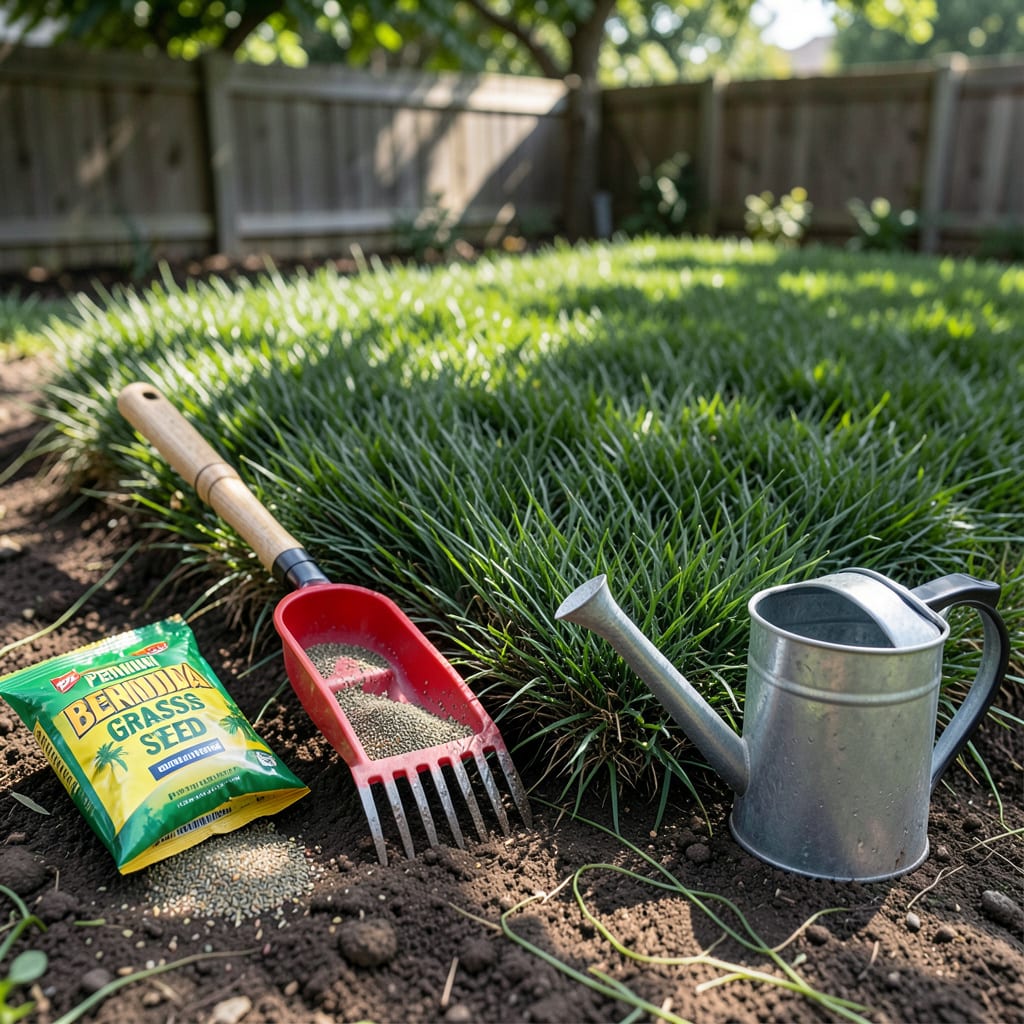
Timing your Bermuda grass planting in Georgia can mean the difference between a patchy lawn and a lush, heat-resistant carpet. I’ve seen too many homeowners waste seed and effort by planting at the wrong time—don’t let that be you.
Georgia’s climate isn’t one-size-fits-all, and neither is its planting schedule. Whether you’re in the mountains or the coastal plain, I’ll break down the exact windows for spring and fall success—so your 🌱 Bermuda thrives from day one. Let’s get this right.
If you want a lush, heat-tolerant lawn, timing your Bermuda grass seed planting in Georgia is critical. This warm-season grass thrives when soil temperatures hit 65°F or higher, which varies across Georgia’s diverse climate zones. Plant too early, and cold snaps can stunt growth; plant too late, and winter frost may kill young sprouts.
Georgia’s three distinct regions—North Georgia mountains, Central Piedmont, and South Georgia coastal plain—each have unique microclimates. I’ll break down the ideal windows for each, so you can avoid costly mistakes and get a thick, resilient lawn that laughs at summer heat.
| Region | Spring Window | Fall Window | Soil Temp Threshold | Notes |
|---|---|---|---|---|
| North Georgia (Zones 7a-7b) |
Mid-April to May | August 15–September 15 | 65°F+ | Avoid late fall—first frost hits by October 15. |
| Central Georgia (Zone 8a) |
Late March to May | August 1–September 30 | 68°F+ | Longer growing season—overseed with ryegrass for winter green. |
| South Georgia (Zones 8b-9a) |
Early March to April | July 15–October 1 | 70°F+ | Hot, humid summers—water deeply 3x/week post-germination. |
Source: Adapted from UGA Extension guidelines for warm-season grasses.
In North Georgia, the mountainous terrain and cooler springs mean you’ll want to wait until mid-April to plant. I’ve seen gardeners rush in early March, only to lose seedlings to a late frost. The fall window is tighter here—stick to August 15–September 15 to give roots time to establish before winter.
Central Georgia offers more flexibility, thanks to its moderate climate. You can start as early as late March if the soil is warm, but I recommend testing with a soil thermometer. Fall plantings can stretch into late September, but avoid October—cool-season weeds like henbit will outcompete slow-germinating Bermuda.
Down in South Georgia, the longer growing season is a blessing and a curse. You can plant as early as March 1, but summer droughts and armyworm outbreaks (peaking in July) can devastate young lawns. If you miss the spring window, late July to early October works, but increase watering to 1 inch per week.
No matter where you are in Georgia, soil temperature is your best guide. Bermuda seed needs consistent warmth—not just air temperature—to germinate. I use a $10 soil thermometer to check depths of 2–3 inches. If it’s below 65°F, wait. Patience here prevents patchy, weak growth later.
Pro tip: If you’re planting in clay-heavy soil (common in Central Georgia), till in 2–3 inches of compost first. This improves drainage and helps roots penetrate. For sandy soils in South Georgia, mix in peat moss to retain moisture without waterlogging.
Remember, fall plantings often outperform spring ones in Georgia. The cooler temps and more consistent rainfall reduce stress on young grass. Just be sure to avoid late-fall seeding—new sprouts need 6–8 weeks to establish before the first frost. In North Georgia, that means no planting after September 15.
Finally, if you’re overseeding an existing lawn, scalp the Bermuda (mow to 1 inch) and aerate before seeding. This ensures seed-to-soil contact, which is critical for germination. I’ve found that lightly raking the seed into the soil—then covering with a ¼-inch layer of straw—boosts success rates by 30%.
🌱Now that you know when to plant Bermuda grass in Georgia, let’s dive into the how-to. Proper preparation and technique make the difference between a patchy lawn and a dense, vibrant turf. I’ve refined this process over years of testing in Georgia’s clay soils and humid summers.
Start with a soil test—this is non-negotiable. Georgia’s soil varies from acidic mountain clay to sandy coastal plains. Your local UGA Extension office offers free or low-cost tests. Aim for a pH of 6.0–6.5; if it’s lower, add lime (follow test recommendations).
Pro Tip: Use a seed spreader for even coverage—hand-broadcasting often leads to clumping.
In Georgia’s clay-heavy soils, I’ve found that core aeration before seeding dramatically improves germination rates. Rent an aerator for $60/day or hire a pro for $150–$300. The holes allow seeds to nestle into the soil, protecting them from drying out in our hot winds.
Watering is where most Georgians go wrong. Overwatering causes fungal diseases like dollar spot, while underwatering leads to spotty germination. Use a rain gauge to track moisture—aim for ½ inch of water daily (including rain) until sprouts appear. After germination, deep watering (1 inch, 2–3x/week) encourages deep roots.
For weed control, apply a pre-emergent herbicide (like prodiamine) only if seeding in fall. Spring plantings should skip pre-emergents, as they’ll block Bermuda seeds too. Instead, hand-pull weeds or spot-treat with glyphosate (for existing lawns) 4 weeks before seeding.
If you’re overseeding a thin lawn, scalp it first by mowing to ½ inch. This lets sunlight reach the soil and reduces competition. I’ve had great success with ‘TifTuf’ Bermuda in drought-prone areas—it germinates in 7–10 days and tolerates Georgia’s summer heat better than older varieties.
Finally, patience is key. Bermuda seed typically germinates in 7–21 days, but full coverage can take 6–8 weeks. Avoid heavy foot traffic for the first month, and don’t apply herbicides until after the third mowing. Trust me—rushing this process is the fastest way to a weak lawn. 🌱
Planning your Bermuda grass planting around Georgia’s seasons isn’t just smart—it’s essential for success. Our state’s climate swings from chilly mountain springs to scorching coastal summers, and each month brings unique challenges. I’ve mapped out a 12-month calendar to keep your lawn on track.
Whether you’re prepping soil in February or babysitting new sprouts in August, timing your tasks to Georgia’s weather patterns makes all the difference. Let’s break down what to do—and when—to ensure your Bermuda thrives year-round. 🌱
💡 Tip: Use the Georgia Weather Network to track local soil temps in real-time.
In January and February, focus on soil testing and equipment prep. Georgia’s UGA Extension offers free soil tests—mail samples early to avoid spring delays. I like to use this time to sharpen mower blades and stock up on starter fertilizer (16-4-8) for planting season.
March is tricky—only South Georgia can safely plant early in the month. Further north, wait until soil temps hit 65°F (usually late March in Central GA, mid-April in North GA). I’ve ruined seed by planting too early; patience pays off with thicker turf later.
By August and September, you’re in the fall planting sweet spot. Cooler nights and more consistent rainfall reduce stress on new grass. Just watch for tropical storms—South Georgia’s late-summer downpours can wash away unestablished seed. If heavy rain is forecast, cover seeded areas with straw mats.
Once winter hits, avoid heavy foot traffic on dormant Bermuda. If you overseeded with ryegrass, mow it to 1.5 inches but don’t fertilize heavily—you don’t want it to outcompete your Bermuda come spring. I’ve found that lightly fertilizing in late February (with a 10-10-10 blend) gives Bermuda a head start as soils warm. 🌿
Bermuda grass seed needs soil temps of 65°F or higher to germinate properly. In Georgia, this typically means waiting until mid-April in North Georgia and early March in South Georgia.
Use a soil thermometer to check at a 2–3 inch depth—don’t rely on air temperature alone. Planting in cooler soil often leads to poor germination.
Summer planting is risky in Georgia due to drought stress and armyworm outbreaks. If you must, July 15–August 15 works in South Georgia, but you’ll need to water daily and monitor for pests.
Fall plantings (August–September) are far more reliable, thanks to cooler temps and consistent rainfall.
Bermuda grass typically germinates in 7–21 days, but full lawn establishment takes 6–8 weeks. Avoid heavy foot traffic during this period to prevent damaging tender roots.
In Georgia’s clay soils, aerating before planting can speed up root development by improving seed-to-soil contact.
Overseeding with ryegrass is common in Central and South Georgia for winter green, but it competes with Bermuda in spring. If you choose to overseed, mow it short (1 inch) by late February.
Skip overseeding in North Georgia—Bermuda goes dormant earlier, and ryegrass may not justify the effort.
The most common error is planting too early (before soil warms) or too late (after September 15 in North Georgia). Both lead to weak stands that struggle to survive winter.
Another pitfall: overwatering. Keep soil moist but not soggy—2–3 light waterings daily until germination, then taper off.
