
Beautiful Plants For Your Interior
Beautiful Plants For Your Interior
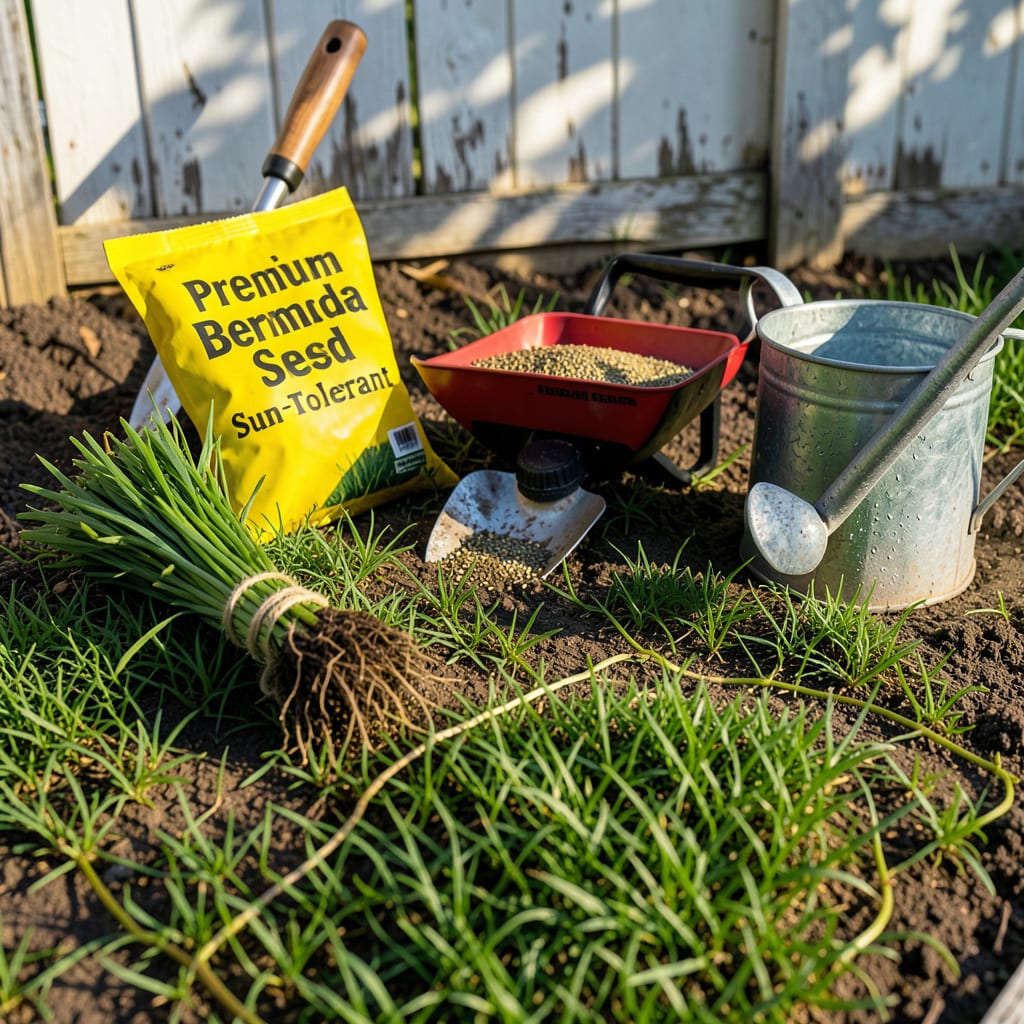
Timing can make or break your Bermuda grass lawn in South Carolina. Plant too early, and a late frost might wipe out your efforts. Wait too long, and the summer heat could stress young sprouts before they even take root.
After years of testing and talking to local experts, I’ve nailed down the perfect window for that thick, green carpet you’re after. Let’s cut through the guesswork—here’s exactly when to plant for a lawn that thrives all season.
If you want a lush Bermuda grass lawn in South Carolina, timing is everything. The optimal window varies slightly depending on whether you’re in the Coastal Plain, Piedmont, or Upstate regions. Each area has its own microclimate quirks.
For most of the state, late April through June is prime time. But here’s the catch: soil temperature must consistently hit 65°F or higher. That’s when Bermuda grass seeds germinate best and sod takes root quickly.
| Region | Best Planting Window | Soil Temp Threshold | Notes |
|---|---|---|---|
| Coastal Plain | Mid-April to May | 65°F+ | Earliest planting due to milder winters. |
| Piedmont | Late April to June | 65°F+ | Watch for late frosts in early April. |
| Upstate | May to June | 68°F+ | Cooler climate; plant later to avoid frost. |
Data based on Clemson Cooperative Extension guidelines for USDA Zones 7b-9a.
In the Coastal Plain, you can start as early as mid-April because winters are milder. But if you’re in the Upstate, hold off until May—those late frosts can sneak up on you. I’ve seen too many lawns ruined by eager gardeners planting too soon.
Here’s a pro tip: Use a soil thermometer to check temps at a 2-inch depth. If it’s consistently 65°F or above for a week, you’re good to go. Don’t rely on air temperature alone—soil warmth is what matters for germination.
If you miss the spring window, you can plant in early summer, but avoid July and August. The extreme heat stresses young grass, and water demands skyrocket. Trust me, I’ve tried it—it’s not worth the extra effort and water bills.
For sod installation, you’ve got a bit more flexibility. Sod can be laid anytime during the growing season, but spring and early fall are ideal. Just avoid the peak summer heat if possible—it’s tough on both the grass and you!
Remember, Bermuda grass loves full sun—at least 6-8 hours daily. If your yard has shady spots, consider Zoysia or Centipede grass instead. They handle shade better and still give you that green carpet look.
Once planted, keep the soil moist but not soggy for the first 2-3 weeks. Water lightly daily until roots establish, then switch to deep, infrequent watering—about 1 inch per week. This encourages deep root growth, which is key for drought tolerance.
Finally, don’t skip the soil test. South Carolina’s clay-heavy soil often needs amending. Aim for a pH of 5.8–7.0. If your soil is too acidic, add lime. Too alkaline? Sulfur can help. A little prep goes a long way in ensuring your Bermuda grass thrives.
By following these timing tips, you’ll set your lawn up for success. A well-timed planting means less watering, fewer weeds, and a thicker turf that can handle South Carolina’s summers like a champ. Now grab that soil thermometer and get ready to plant! ☀️
Choosing between Bermuda grass seed and sod in South Carolina depends on your budget, timeline, and lawn goals. Seeding is cost-effective but requires patience, while sod gives you an instant lawn—if you’re willing to pay more.
For most homeowners, spring planting (late April to June) is ideal for both methods. But here’s the kicker: soil prep is everything. Skipping this step often leads to patchy results, no matter which option you choose.
Prices based on 2024 SC nursery averages. Sod costs include delivery.
If you’re seeding, start by tilling the soil to a depth of 4–6 inches. Remove debris and weeds, then level the area. I recommend using a lawn roller after sowing to ensure good seed-to-soil contact. This step is often overlooked but makes a huge difference in germination rates.
For sod installation, lay pieces in a staggered brick pattern to avoid seams. Use a sharp knife to cut edges for a snug fit. Water immediately after laying—this is critical. Sod dries out fast in SC’s heat, so keep it moist for the first 2 weeks.
Both methods require consistent watering initially. For seeds, water lightly daily (keep soil damp but not soggy). For sod, water deeply every other day for the first week, then taper off. A rain gauge helps track moisture—aim for 1 inch per week total.
Fertilizing is key. Apply a starter fertilizer (like 16-4-8) at planting, then switch to a high-nitrogen mix (e.g., 30-0-4) after 4–6 weeks. In SC’s clay soil, I’ve found that slow-release fertilizers work best to prevent burn and promote steady growth.
Mow for the first time when your grass reaches 3–4 inches tall. Set your mower to 1–1.5 inches for Bermuda—never remove more than ⅓ of the blade at once. Sharp mower blades are a must; dull blades tear grass, inviting disease.
Finally, watch for common SC pests like armyworms and grubs. If you notice brown patches or chewed blades, treat immediately with Bacillus thuringiensis (Bt) or a grub-specific insecticide. A little vigilance saves headaches later! ✂️
Planting Bermuda grass in South Carolina seems straightforward—until you make one of these common mistakes. I’ve seen even experienced gardeners ruin their lawns by overlooking key details. Let’s save you the headache (and money) by avoiding these pitfalls.
The biggest error? Planting too early when soil temps are below 65°F. Bermuda grass needs warmth to germinate, and cold soil can rot seeds or stunt sod. Always check with a soil thermometer—don’t guess based on air temperature alone.
*Based on Clemson Extension’s most frequent lawn care calls.
Another costly mistake: choosing the wrong variety. Not all Bermuda grass is equal in SC. ‘Celebration’ handles heat and drought well, while ‘Tifway 419’ is great for high-traffic areas. Pick based on your yard’s needs—not just price.
Don’t forget post-planting care. New Bermuda grass needs 1 inch of water weekly (including rain). Use a rain gauge to track—eyeballing it leads to under- or overwatering. And hold off on heavy fertilizer until after the first mowing (usually 3–4 weeks in).
Finally, watch for summer stress. If you plant in July or August, young grass struggles with SC’s heat. Mulch clippings to retain moisture, and mow high (1.5–2 inches) to shade roots. A little extra care now prevents brown patches later.
Avoid these mistakes, and you’ll be rewarded with a thick, green lawn that’s the envy of the neighborhood. Now grab that soil test kit and get it right the first time! 🌱
In the Coastal Plain, you can start as early as mid-April since winters are milder. Just ensure soil temps stay above 65°F at a 2-inch depth. Use a soil thermometer to confirm—don’t rely on air temperature alone!
For speed, sod wins—it gives an instant lawn in 2–3 weeks. Seeds take 2–3 months but cost far less ($0.50–$1 vs. $2–$5 per sq ft). Sod’s ideal for high-traffic areas; seeds work for budget-friendly projects.
It’s risky. Extreme heat stresses young grass, and water demands skyrocket. If you must, plant early July, water daily, and mulch clippings to retain moisture. Spring (May–June) is far safer for establishment.
Test soil temperature (must be 65°F+) and pH (ideal: 5.8–7.0). SC’s clay soil often needs lime or sand. A $20 soil test kit from Clemson Extension saves guesswork. Skip this, and you risk poor germination or stunted growth.
Overwatering seeds—it causes rot or fungal diseases like dollar spot. Keep soil moist but not soggy. Use a rain gauge to track 1 inch/week. Puddles = trouble!
