
Beautiful Plants For Your Interior
Beautiful Plants For Your Interior
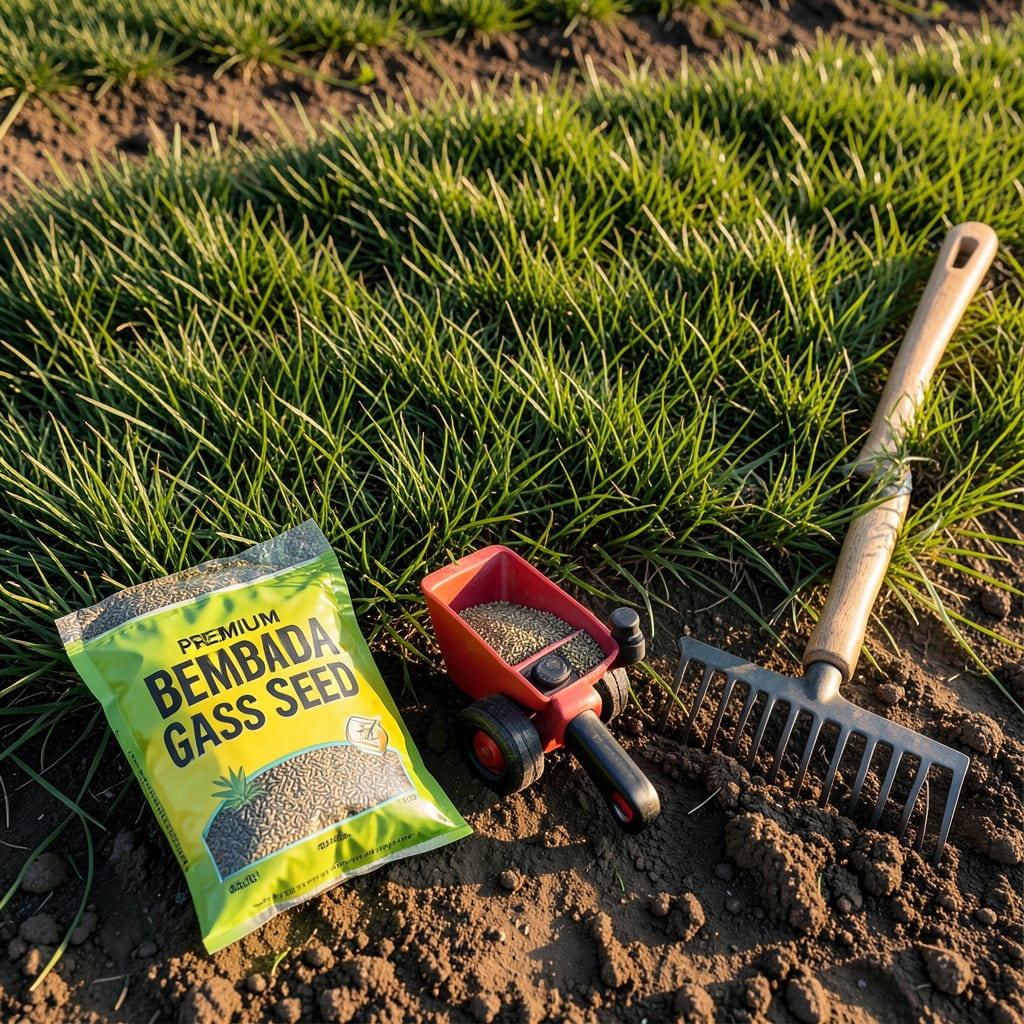
Timing isn’t just important when planting Bermuda grass in Georgia—it’s everything. Plant too early, and a late frost could wipe out your efforts. Wait too long, and the scorching summer sun might stress your new lawn before it even takes root.
After years of testing and research, I’ve pinpointed the perfect window for Georgia’s unique climate. Whether you’re in the mountains or the coastal plain, I’ll show you exactly when to plant for a thick, resilient lawn that thrives all season long. Let’s get started.
Georgia’s diverse climate means the perfect planting window for Bermuda grass varies dramatically from the mountains to the coast. In North Georgia (Zone 7a-8a), you’ll want to wait until soil temperatures hit 65°F, usually in mid-April after the last frost.
Further south in Central and South Georgia (Zones 8b-9a), warmer springs allow for earlier planting—sometimes as early as late March. But timing isn’t just about frost dates; it’s also about avoiding the summer heat stress that can stunt new growth.
| Region | USDA Zone | Ideal Planting Window | Soil Temp Threshold | Last Frost Date |
|---|---|---|---|---|
| North Georgia | 7a-8a | Mid-April to May | 65°F+ | April 10-20 |
| Central Georgia | 8a-8b | Late March to April | 60°F+ | March 20-30 |
| South Georgia | 8b-9a | Late March to Early April | 58°F+ | March 1-15 |
For North Georgia, I recommend planting Bermuda grass seed between April 15 and May 15. This gives roots time to establish before summer heat. In Central Georgia, you can push that window earlier by 2-3 weeks, but always check soil temps with a thermometer.
If you’re in South Georgia, your biggest challenge isn’t frost—it’s drought stress. Planting in late March lets roots develop before the June heatwave. Pro tip: Use sod instead of seed here for faster establishment and better drought resistance.
Soil preparation is critical across all regions. Georgia’s clay-heavy soil needs amending with compost or sand to improve drainage. Aim for a pH of 6.0-6.5—most Georgia soils are naturally acidic, so lime applications may be necessary before planting.
Watering schedules also vary by region. In North Georgia, 1 inch of water weekly is sufficient post-planting. But in South Georgia, you’ll need 1.5 inches due to faster evaporation. Always water early in the morning to reduce fungal risks.
For fall planting, the window is tighter. September 1-15 is ideal statewide, but only if you can guarantee 60 days of warm soil before first frost. Fall-planted Bermuda may not fully establish before dormancy, so spring remains the safest bet for most homeowners.
The University of Georgia Extension confirms that soil temperature—not just air temperature—is the best indicator. Use a soil thermometer at 2-inch depth to check. When it reads 65°F for 3 consecutive days, you’re good to plant.
Remember, Bermuda grass loves heat but hates competition. Clear all weeds before planting, and consider a pre-emergent herbicide if planting seed. For sod, lay it immediately after delivery and water within 30 minutes to prevent drying.
Whether you choose seed or sod, the key is consistent moisture for the first 3 weeks. After that, gradually reduce watering to encourage deep root growth. Mow when grass reaches 3-4 inches, never removing more than 1/3 of the blade at once.
By following these region-specific guidelines, you’ll give your Bermuda grass the best chance to thrive in Georgia’s climate. The difference between a patchy lawn and a lush carpet often comes down to just a few weeks of timing—so mark your calendar and get ready for your best lawn yet! ☀️
When establishing Bermuda grass in Georgia, you’ve got two main options: planting seed or laying sod. Each has pros and cons, but the right choice depends on your budget, timeline, and regional climate. In my experience, sod gives instant gratification, while seed offers more variety and lower cost.
For Georgia’s clay-heavy soils, I always recommend amending with compost before planting—regardless of whether you choose seed or sod. This improves drainage and gives roots a fighting chance against our summer droughts. Let’s break down which method might work best for your lawn. 🌱
| Factor | Planting Seed | Laying Sod |
|---|---|---|
| Cost | $0.50-$1/sq ft | $2-$4/sq ft |
| Establishment Time | 6-8 weeks | 2-3 weeks |
| Best For | Large areas, budget-conscious | Small areas, quick results |
| Water Needs | Daily for 3 weeks | Daily for 2 weeks |
| Weed Risk | Higher (slow start) | Lower (instant cover) |
| Georgia Climate Fit | Best in Central/South | Ideal for North GA |
If you’re planting Bermuda grass seed in Georgia, timing is everything. I recommend late March to early April for South Georgia and mid-April to May for North Georgia. Use a seed spreader for even coverage at 1-2 lbs per 1,000 sq ft. Rake lightly to ensure good soil contact.
For laying sod, preparation is key. Till the soil to 4-6 inches deep, then level it. Lay sod immediately after delivery, staggering seams like bricks. Water within 30 minutes of installation. In Georgia’s heat, sod can dry out fast, so keep it moist for the first two weeks.
Both methods require starter fertilizer—I use a 16-4-8 blend for Georgia soils. Apply after planting, then water deeply. For seed, wait until after the first mowing (when grass reaches 3-4 inches). With sod, fertilize 4 weeks after installation to avoid burning new roots.
Avoid common Georgia mistakes: Don’t plant seed without a pre-emergent herbicide (weeds love our warm climate), and never lay sod on unprepared soil. In North Georgia, watch for late frosts—cover new sod if temps drop below 32°F. In South Georgia, drought stress is the bigger threat, so mulch lightly after seeding.
After establishment, Bermuda grass thrives on 1 inch of water weekly (more in South Georgia) and monthly fertilizing during growing season. Mow at 1-1.5 inches for a dense lawn. Remember, Bermuda loves heat but hates shade—if your yard has trees, consider a shade-tolerant variety like ‘Celebration’.
Whether you choose seed or sod, the secret to success in Georgia is consistent care during those critical first weeks. Monitor soil moisture daily, adjust watering as needed, and you’ll be rewarded with a lush, resilient lawn that handles our summers like a champ! ☀️
Even with perfect timing, small mistakes can ruin your Bermuda grass lawn in Georgia. After helping dozens of homeowners troubleshoot patchy lawns, I’ve identified the five most common errors—and how to avoid them. The good news? Most are easily preventable with a little planning. 🌱
First up: planting at the wrong time. I see this constantly—folks planting in June or July when Georgia’s heat is brutal. Bermuda loves warmth, but young sprouts can’t handle 90°F+ temperatures without stress. Stick to spring (March-May) or early fall (September) for best results.
| Mistake | Why It’s Bad | How to Fix It |
|---|---|---|
| Planting Too Late | Summer heat stresses young grass | Plant by mid-May |
| Ignoring Soil pH | Acidic soil stunts growth | Test & add lime (pH 6.0-6.5) |
| Skipping Weed Control | Weeds outcompete new grass | Use pre-emergent herbicide |
| Over/Under-Watering | Drowns roots or causes drought stress | 1″ weekly (1.5″ in South GA) |
| Wrong Variety | Shade types fail in full sun | Choose ‘Tifway 419’ for sun |
Another biggie: ignoring Georgia’s acidic soil. Our native soil often has a pH below 6.0, which locks out nutrients Bermuda grass needs. Always test your soil before planting. If it’s too acidic, apply pelletized lime (50 lbs per 1,000 sq ft) and till it in. This simple step can double your germination success. ✂️
Skipping weed control is mistake number three. Georgia’s warm climate means weeds grow aggressively. If planting seed, apply a pre-emergent herbicide like prodiamine 4-6 weeks before planting. For sod, spray weeds 2 weeks before installation. I’ve seen too many lawns fail because crabgrass took over before the Bermuda could establish.
Watering mistakes rank high too. Many new lawn owners either drown their grass or let it dry out. The sweet spot? 1 inch of water weekly (split into 2-3 sessions) for North/Central Georgia. In South Georgia, bump that to 1.5 inches due to sandy soil. Always water early morning to prevent fungal diseases like dollar spot.
Finally, choosing the wrong Bermuda variety can doom your lawn. ‘Common’ Bermuda works for full sun, but if you have partial shade, opt for ‘Celebration’ or ‘TifGrand’. In North Georgia, cold-hardy ‘Tifway 419’ handles winter better. Always match the variety to your yard’s conditions for long-term success. ☀️
For Bermuda grass in Georgia, wait until soil reaches 65°F at 2-inch depth for at least 3 consecutive days. In North Georgia, this typically happens in mid-April, while South Georgia may hit this threshold in late March. Use a soil thermometer for accuracy.
Fall planting is possible but riskier. Aim for September 1-15 to give roots 60 days before first frost. Spring remains ideal because fall-planted grass may not fully establish before winter dormancy. If attempting fall planting, use sod for better success.
Water daily for the first 2 weeks, providing 1 inch total weekly in North/Central Georgia. In South Georgia, increase to 1.5 inches weekly due to faster evaporation. Always water early morning to prevent fungal diseases like dollar spot.
For partial shade (4-6 hours of sun), choose ‘Celebration’ or ‘TifGrand’. These varieties tolerate shade better than common Bermuda. In full sun areas, ‘Tifway 419’ is ideal for its heat tolerance and dense growth.
Sod establishes faster (2-3 weeks) and resists weeds better, making it ideal for North Georgia’s shorter growing season. Seed is cheaper but requires 6-8 weeks to establish—best for Central/South Georgia’s longer warm season. Both need consistent moisture during establishment.
