
Beautiful Plants For Your Interior
Beautiful Plants For Your Interior
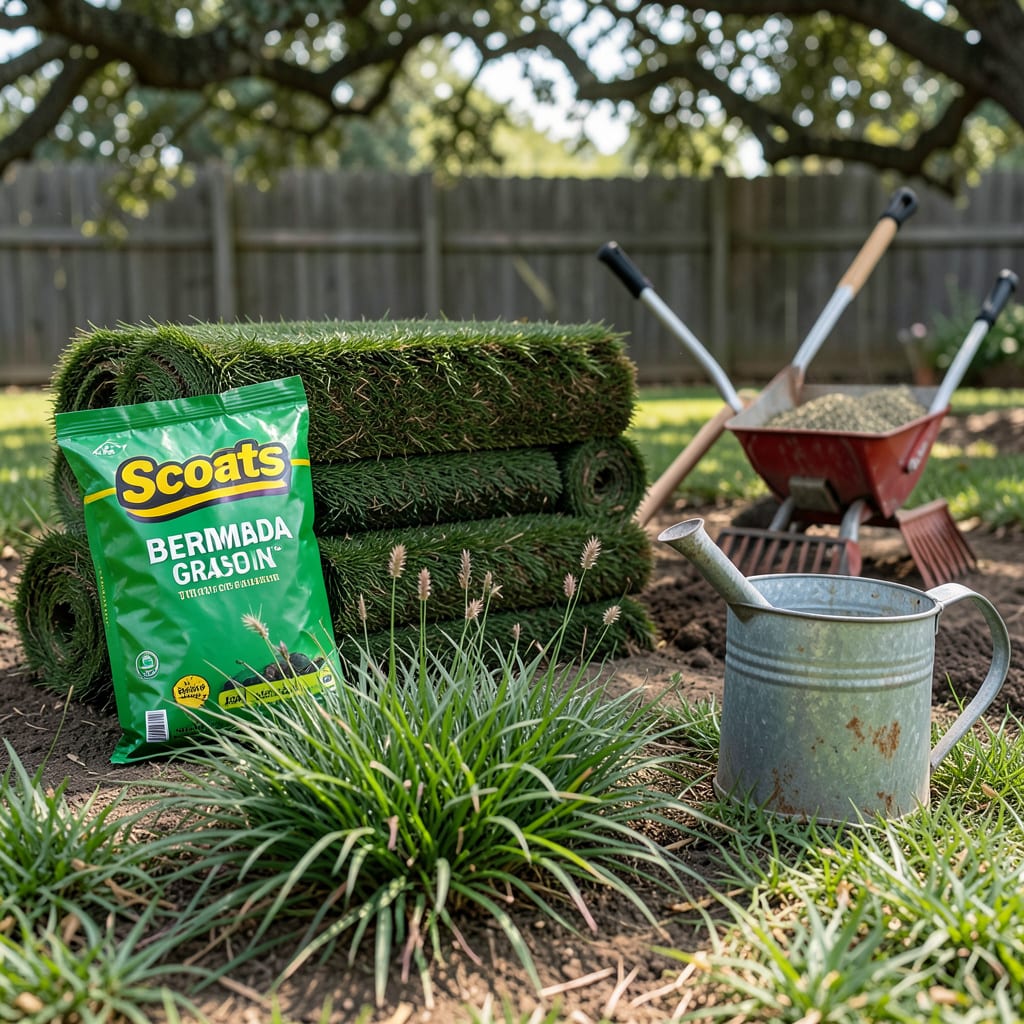
If you’ve ever watched your neighbor’s lawn stay lush and green while yours struggles through Arizona’s brutal summers, timing might be your missing piece. 🌿 Bermuda Grass thrives in our desert climate—but only if you plant it during that perfect window when soil and air temperatures align.
I’ve seen too many homeowners waste money planting too early or too late, only to watch their grass burn up or refuse to take root. Let me show you exactly when to plant for a lawn that stays resilient through 110°F heat and recovers quickly from winter dormancy.
Arizona’s diverse microclimates mean planting Bermuda grass isn’t one-size-fits-all. In low desert areas like Phoenix and Tucson, the ideal window is late April through early June, when soil temps hit 65°F+. This gives roots time to establish before summer’s 110°F+ heat.
Higher elevations like Flagstaff or Prescott need adjustments. Here, wait until mid-May when frost risk disappears. I’ve seen lawns fail when planted too early—cold snaps stunt growth. Always check your local soil temperature with a thermometer before planting.
Why does timing matter so much? Bermuda grass needs warm soil to germinate—plant too early, and seeds rot. Plant too late, and young grass burns in summer. I recommend using a soil thermometer (available at garden centers) to confirm temps before planting.
For seed planting, aim for early in the window (April-May). Seeds need consistent moisture but hate sitting in cold, wet soil. If you’re laying sod, you can push closer to June—established sod handles heat better than fragile seedlings.
Pro tip: Check the 10-day forecast before planting. If nighttime temps dip below 50°F, wait. Bermuda grass grows fastest when nights stay warm. In Tucson, I’ve had best results planting right after our last average frost date (March 15).
Monsoon season (July-August) is the worst time to plant. Heavy rains can wash away seeds or drown new sod. If you miss the spring window, wait until early September for a fall planting—but expect slower establishment before winter dormancy.
Remember, Bermuda grass loves heat but hates competition. Before planting, I always recommend solarizing the soil for 2-3 weeks to kill weeds and pathogens. Cover the area with clear plastic, and let Arizona’s sun do the work for you.
If you’re in a HOA-regulated neighborhood, check for watering restrictions. Some Phoenix areas limit new lawn watering to 3 days/week. Plan your planting date around these rules to avoid fines while ensuring your grass gets enough moisture.
Still unsure? Contact your local UArizona Cooperative Extension office. They offer free soil testing and region-specific advice. I’ve used their services for years—they’ll even help you interpret weather data for your exact zip code.
Get the timing right, and you’ll have a lawn that stays green through 115°F summers and bounces back quickly after winter. Plant at the wrong time, and you’ll fight thin patches and weeds all season. Your future self (and your water bill) will thank you for waiting for that perfect window! 🌱
Choosing between seed and sod for your Arizona lawn? Both have pros and cons, but our extreme climate changes the game. I’ve planted Bermuda grass both ways in Phoenix, and the method you pick impacts your watering schedule, establishment time, and even long-term durability.
Seed is cheaper but requires perfect timing and consistent moisture—a challenge in our dry heat. Sod gives instant results but demands proper soil prep to prevent edges from drying out. Let’s break down which option fits your Arizona yard best.
For seed planting in Arizona, I recommend hull-coated Bermuda seeds like Princess 77 or Riviera. These varieties germinate faster in our heat. Prepare your soil by tilling to 4-6 inches deep and mixing in compost to improve water retention in our sandy/clay soils.
Plant seeds at 1-2 lbs per 1,000 sq ft, then cover with ¼ inch of soil. Water lightly 2-3 times daily for the first 10 days to keep soil moist but not soggy. Once sprouts appear, reduce to daily deep watering (about ½ inch per session). In Phoenix, I set my sprinklers for 5-7 AM to minimize evaporation.
If you choose sod, lay it within 24 hours of delivery to prevent drying. Stagger seams in a brick-like pattern and use a lawn roller to ensure good soil contact. Water immediately after installation with 1 inch of water, then maintain daily watering for the first week. Sod needs constant moisture for roots to knit into Arizona’s tough soil.
Arizona’s alkaline soil (pH 7.5-8.5) can stunt Bermuda grass. I always test soil first—kits cost $10 at garden centers. If pH is above 7.5, mix in sulfur (follow package rates) before planting. For both seed and sod, apply a starter fertilizer (like 16-4-8 NPK) at planting, then repeat every 4-6 weeks during growing season.
Remember, Bermuda grass loves heat but needs proper prep in our climate. For seed, avoid planting during monsoon season (July-August) when heavy rains can wash seeds away. For sod, avoid peak summer (June-July) unless you can water 3x daily—new sod burns easily in 110°F+ temps.
Whether you choose seed or sod, the first 30 days are critical. Limit foot traffic, watch for pests like grubs, and adjust your watering as temperatures rise. I’ve found that lawns planted in late April establish strongest, giving roots time to grow deep before summer’s worst heat hits. 🌱
Even with perfect timing, I’ve watched too many Arizona lawns fail because of avoidable mistakes. Our extreme climate leaves no room for error—what works in other states often backfires here. Let me save you from the three most costly blunders I see year after year.
The first mistake? Planting during monsoon season (July-August). Heavy rains wash away seeds, drown young roots, and create fungal nightmares. I once replanted an entire Tucson lawn after a monsoon storm turned newly planted seed into a muddy river. Always check the 10-day forecast before planting.
The second critical error is planting too late in spring. Many Phoenix homeowners wait until June, but young grass struggles to establish before triple-digit heat hits. I recommend planting by May 15 at the latest—this gives roots 4-6 weeks to grow deep before summer stress.
Another common issue? Using the wrong fertilizer. High-phosphorus starters (like 10-20-10) burn Bermuda in our heat. Stick with 16-4-8 NPK and apply only in early morning. I’ve rescued lawns by switching to slow-release organic fertilizers during peak summer.
Finally, don’t forget post-planting care. New Bermuda needs light, frequent watering (2-3x daily for seeds, 1x for sod) for the first 14 days. Then transition to deep, infrequent watering (1 inch weekly) to encourage deep roots. In Tucson, I use soaker hoses to prevent evaporation loss.
Remember, Bermuda grass thrives on neglect—once established. But those first 30 days are critical. Avoid these mistakes, and you’ll have a lawn that laughs at 115°F summers and stays green with minimal water. Your neighbors will ask for your secrets! 🌿
Bermuda grass thrives when soil reaches 65°F or higher. In Arizona, this typically happens between late April and early June for most regions. Use a soil thermometer to confirm—planting in cooler soil risks poor germination or rot.
Avoid planting in July-August when monsoon rains arrive. Heavy downpours can wash away seeds or drown young roots, while humidity encourages fungal growth. If you miss the spring window, wait until early September for safer conditions.
For the first 2 weeks, water 2-3 times daily (early morning only) to keep soil moist but not soggy. After germination, shift to deep watering 3x weekly (½ inch per session). Use a moisture meter to avoid overwatering in our dry climate.
Sod establishes faster and handles heat better, but seed is more budget-friendly. For seed, plant by mid-May; for sod, you can push to early June. Both need alkaline soil amendments (like sulfur) and consistent moisture during the first month.
Planting too late in spring! Many wait until June, but young grass struggles in 110°F+ heat. Aim for April-May to give roots time to establish. Also, skip high-phosphorus fertilizers—they burn Bermuda in Arizona’s climate.
