
Beautiful Plants For Your Interior
Beautiful Plants For Your Interior
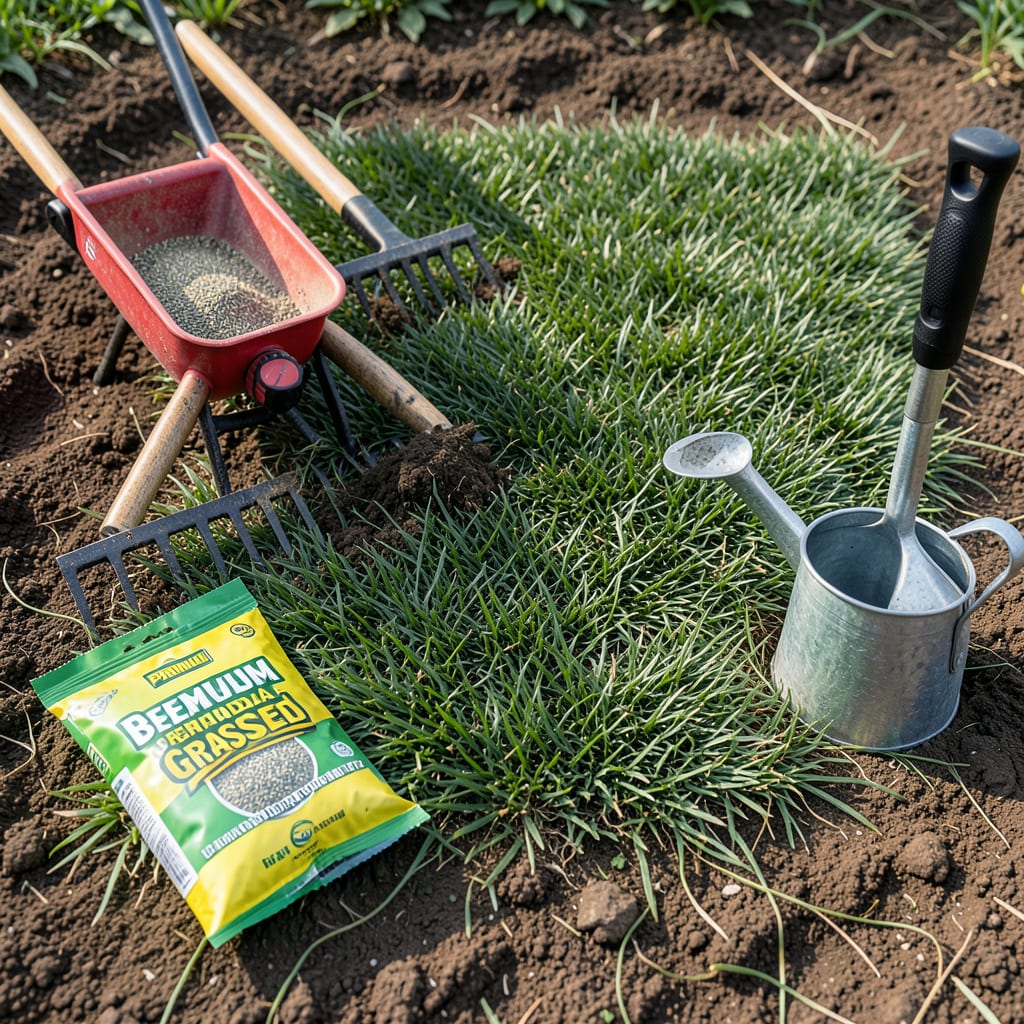
Timing isn’t just important—it’s everything when planting Bermuda grass in Arizona. Plant too early, and a surprise frost could wipe out your efforts. Wait too long, and the brutal summer sun will fry those tender new sprouts before they even take root.
But here’s the good news: I’ve cracked the code for perfect timing in our desert climate. Whether you’re in Phoenix or Prescott, I’ll show you exactly when to plant for a lush, resilient lawn that thrives in the heat. Let’s get your 🌾 Bermuda grass off to the right start.
Arizona’s diverse climate zones mean one-size-fits-all advice won’t cut it for Bermuda grass. In the Low Desert (Phoenix, Tucson), you’ll want to plant earlier than in the High Desert (Prescott, Flagstaff), where frost lingers longer. Timing hinges on soil temperature—not just air temps.
I’ve found the sweet spot is when soil hits 65°F at 2-inch depth for at least 5 consecutive days. This usually aligns with late February to April, but elevation changes everything. Let’s break down the ideal windows by region so you don’t waste seed or sod.
| Region | Ideal Months | Soil Temp Threshold | Frost Risk | Notes |
|---|---|---|---|---|
| Low Desert (Phoenix, Tucson, Yuma) |
March–April | 65°F+ | Low | Plant early March for fastest establishment before 100°F+ summers. |
| Transition Zone (Casa Grande, Maricopa) |
Late March–April | 65°F+ | Moderate | Watch for late frosts in early March; delay if forecast calls for below 35°F. |
| High Desert (Prescott, Flagstaff) |
April–Early May | 60°F+ | High | Wait until after last frost (typically April 15); soil warms slower here. |
In the Low Desert, I’ve seen the best results planting March 1–15. This gives roots 6–8 weeks to establish before temperatures hit triple digits. If you miss this window, early fall (September) is your backup—but spring is ideal for faster growth.
For High Desert areas like Prescott, patience pays off. Rushing to plant in March often backfires when a late frost hits. I recommend waiting until mid-April, when soil temps stabilize above 60°F. Use black plastic mulch to warm soil faster if needed.
No matter your region, avoid planting in summer. Bermuda grass loves heat, but young sprouts can’t handle 110°F+ temps without stress. If you’re sodding, early morning installation helps reduce transplant shock during warm spells.
Here’s a trick I swear by: Pre-water your soil 24 hours before planting. This ensures moisture reaches 4–6 inches deep, where roots will grow. In Arizona’s dry climate, deep watering trumps frequent shallow sprinkles—especially for new lawns.
If you’re seeding, cover seeds lightly with ¼ inch of compost to retain moisture. For sod, stagger the seams like brickwork to prevent gaps. And don’t skimp on starter fertilizer—I use a 16-4-8 blend at 1 lb per 1,000 sq ft for a strong start.
Remember, Bermuda grass thrives on neglect once established—but babying it early is key. Keep foot traffic off new lawns for 4–6 weeks, and mow only when grass reaches 3–4 inches tall. Your patience will pay off with a dense, drought-resistant lawn.
Still unsure? Grab a soil test kit from your local extension office. For $15–$20, you’ll get exact pH and nutrient levels, taking the guesswork out of amending your soil before planting. Aim for a pH of 6.0–6.5—Bermuda grass isn’t picky, but it performs best in this range.
Deciding between seed or sod for your Arizona Bermuda lawn? Both have pros and cons, but the choice depends on your budget, timeline, and how much sweat equity you’re willing to invest. I’ve planted both ways, and here’s what I’ve learned about what works best in our desert climate.
Seeding is cheaper upfront but requires more patience and precise care—especially in Arizona’s dry, windy springs. Sod gives you an instant lawn but costs significantly more. Let’s compare the key factors so you can pick the right method for your yard and lifestyle.
If you choose seeding, here’s my Arizona-proven process: First, scalarify your soil to remove dead grass and debris. Then, amend with compost—our native soil is often too compacted. I use a 50/50 mix of compost and native dirt for the top 3 inches.
For watering new seed, follow this schedule: Light misting 2x daily (morning/evening) for the first 2 weeks, then deep soak every other day once sprouts appear. In Arizona, evaporation is your enemy—use a soaker hose to deliver water directly to the soil surface.
Sod installation requires immediate watering—within 30 minutes of laying. I recommend the “1-2-3 rule” for Arizona sod: 1 inch of water on day 1, 2 inches total by day 3, then 3 deep soaks per week for the first month. This prevents the edges from drying out in our arid climate.
Both methods need starter fertilizer, but the type matters. For seed, use a 10-10-10 balanced fertilizer to encourage root growth. For sod, go with a 16-4-8 high-nitrogen blend to jumpstart green-up. Apply immediately after planting and water it in thoroughly.
Remember, Bermuda grass loves heat but hates competition. Whether you seed or sod, apply a pre-emergent weed killer (like prodiamine) 4–6 weeks after planting to keep crabgrass and spurge at bay. In Arizona, weeds grow faster than grass in summer—stay ahead of them!
Finally, mowing timing differs by method. For seeded lawns, wait until grass reaches 3–4 inches tall before the first cut. With sod, you can mow after 7–10 days if it’s rooted (tug gently—if it resists, it’s ready). Always use a sharp blade and never remove more than ⅓ of the leaf height in our hot climate.
Even with perfect timing, some common blunders can sabotage your Bermuda grass in Arizona’s tough climate. I’ve seen too many homeowners waste time and money by making these avoidable errors. Let’s dive into the top 5 mistakes that’ll ruin your lawn before it even gets started.
The biggest issue I see? Planting at the wrong time. Arizona’s extremes mean you’ve got a narrow window—miss it, and you’re fighting either frost or scorching heat. But timing isn’t the only pitfall. From watering missteps to soil neglect, these errors can turn your dream lawn into a patchy, brown disappointment.
Another silent killer of Bermuda grass in Arizona is poor soil preparation. Our native soil is often compacted clay that drains poorly and suffocates roots. I always recommend tilling in 2–3 inches of compost before planting—this improves both drainage and nutrient retention in our arid climate.
Don’t forget about weed competition! Many homeowners plant Bermuda grass then wonder why it’s patchy. The culprit? Crabgrass and spurge outcompeting your new lawn. Apply a pre-emergent herbicide (like prodiamine) 4–6 weeks after planting to keep weeds at bay without harming your grass.
Finally, fertilizer timing matters more than you think. Applying fertilizer too early can burn young roots, while waiting too long starves your lawn. I use a starter fertilizer (10-10-10) at planting, then switch to a high-nitrogen (16-4-8) blend after 4 weeks to promote dense growth.
Remember, Bermuda grass is drought-tolerant once established, but it needs consistent moisture for the first 6–8 weeks. Use a rain gauge to track watering—1 inch per week is ideal for new lawns in Arizona’s dry heat. 🌾
Wait until soil reaches 65°F at 2-inch depth for at least 5 days. In Arizona, this typically happens late February to April, depending on your elevation.
It’s risky! Young sprouts can’t handle 110°F+ temps. If you must, opt for sod and plant at dawn. Spring or early fall is much safer.
For seed: Light misting 2x daily (morning/evening) for 2 weeks. For sod: 1 inch daily for the first week, then taper to 3x weekly. Use a soaker hose to combat evaporation.
Seed is cheaper ($0.10–$0.30/sq ft) but needs more care. Sod gives instant results but costs 3–5x more. In windy areas, sod often performs better.
Test with a soil thermometer (2-inch depth). Also check pH—Bermuda thrives at 6.0–6.5. Arizona soil is often alkaline; amend with sulfur if needed.
