
Beautiful Plants For Your Interior
Beautiful Plants For Your Interior
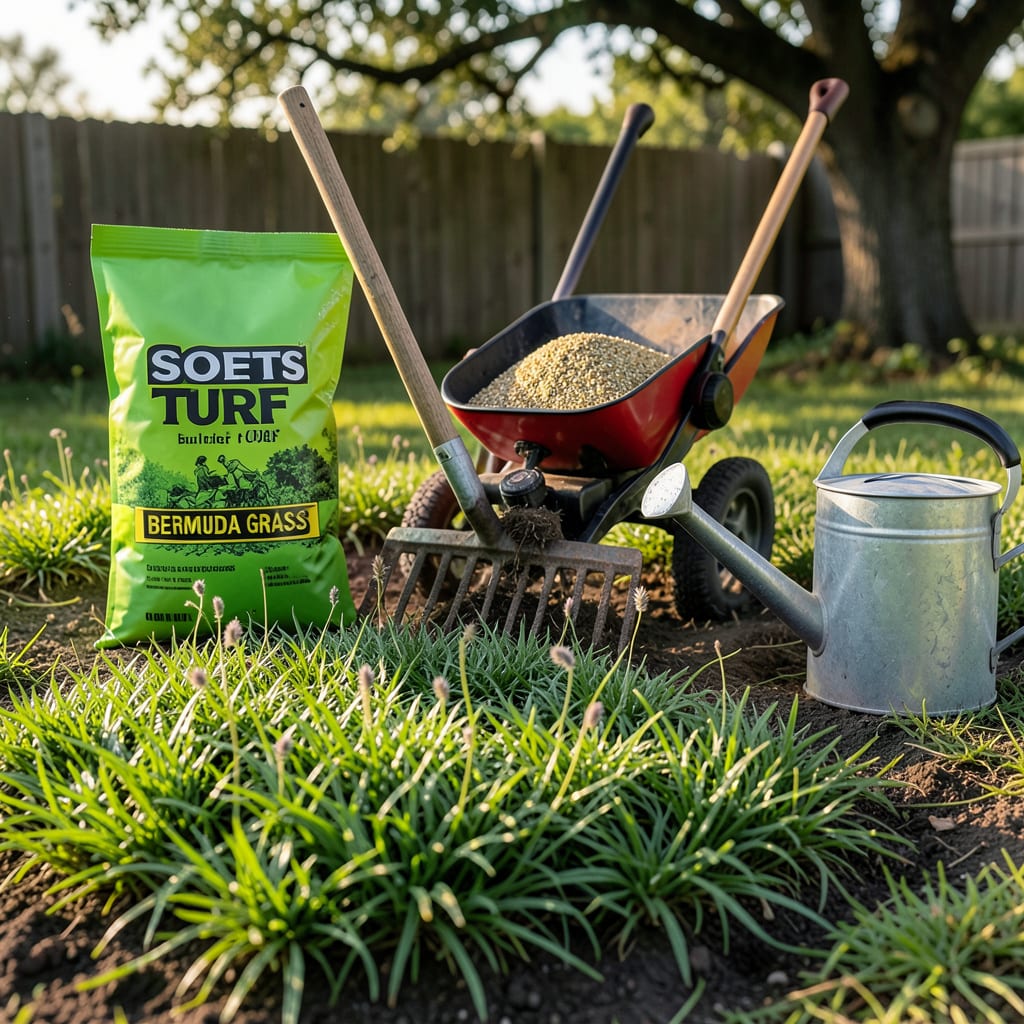
Timing your ✂️ Bermuda grass planting in Alabama can mean the difference between a patchy yard and a lush, envy-worthy lawn. Plant too early, and a late frost might wipe out your efforts. Wait too long, and the summer heat could stress young sprouts before they establish.
After helping dozens of Alabama homeowners perfect their lawns, I’ve nailed down the exact windows for each zone—from the coastal areas to the Piedmont. Whether you’re in Mobile or Birmingham, I’ll show you how to sync with Alabama’s climate for faster, thicker turf growth.
If you’re dreaming of a lush, green Bermuda grass lawn in Alabama, timing is your secret weapon. Our state spans USDA Zones 7a-9a, meaning planting windows vary from the coastal Mobile area to the mountainous north. Get it right, and you’ll enjoy a dense, drought-resistant turf.
I always tell Alabama gardeners: Soil temperature trumps calendar dates. Bermuda grass seeds need consistent 65°F+ soil temps for 7+ days to germinate properly. In our humid subtropical climate, that typically means mid-April through July for most regions—but there are exceptions.
| USDA Zone | Alabama Regions | Ideal Planting Window | Last Frost Date | Soil Temp Threshold |
|---|---|---|---|---|
| 7a | Northern AL (Huntsville, Decatur) | April 15 – June 30 | April 1 | 65°F+ (usually late April) |
| 7b | Central AL (Birmingham, Tuscaloosa) | April 1 – July 15 | March 15 | 65°F+ (usually early April) |
| 8a | Southern AL (Montgomery, Auburn) | March 15 – July 30 | March 1 | 65°F+ (usually mid-March) |
| 8b | Gulf Coast (Mobile, Daphne) | March 1 – August 15 | February 15 | 65°F+ (usually early March) |
| 9a | Extreme South (Dauphin Island) | February 15 – September 1 | February 1 | 65°F+ (usually late February) |
For my fellow northern Alabama gardeners, patience is key. I’ve seen too many eager lawn lovers plant in early March, only to lose their investment to a late frost. Wait until soil temps hit 65°F—usually around Tax Day (April 15)—for best results.
Down on the Gulf Coast, you’ve got more flexibility. Mobile and Baldwin County residents can often start as early as mid-February if we’re having a warm winter. But remember: Bermuda grass hates wet feet. Our spring rains mean you’ll need to monitor drainage carefully.
The sweet spot for most of Alabama is late April through June. This gives your grass 3-4 months of warm growing season before winter dormancy. I recommend planting seed 1/4 inch deep or laying sod in early morning to avoid heat stress.
For fall planting—yes, it’s possible!—aim for August 15-September 15. This works best in Zones 8a-9a where winters are milder. The key is getting roots established before first frost (mid-November). Use starter fertilizer and keep soil moist.
No matter your zone, avoid planting during July-August heat waves. New Bermuda grass needs consistent moisture, and our 90°F+ temps can bake tender sprouts. If you must plant in summer, choose early morning and provide light shade cloth for the first week.
Want to double-check your timing? Grab a soil thermometer from your local co-op or use this trick: Stick your bare hand in the soil at 8 AM. If it feels warm (not cool) to the touch, and you’re past your last frost date, you’re good to go! 🌱
Remember, Bermuda grass is a warm-season grass that thrives in our Alabama heat—once established. The first 60 days are critical. Water daily for short sessions (10-15 minutes) to keep soil moist but not soggy, and avoid walking on new grass for at least 3 weeks. ✂️
When I advise Alabama gardeners on planting ✂️ Bermuda grass, the first question is always: Spring or fall? Both seasons work, but each has trade-offs that could make or break your lawn. After testing both approaches in my own yard, I’ve found spring planting gives most Alabama lawns the edge—except in our warmest zones.
The spring window (March–May) aligns perfectly with Bermuda’s natural growth cycle. Warm soil and increasing daylight help seeds germinate in 7–14 days. But there’s a catch: weed competition is fierce in spring. You’ll need a pre-emergent herbicide strategy to protect your new grass. I recommend planting after April 1 in most zones to balance warmth and weed pressure.
Now let’s talk fall planting (August–September). This approach shines in Zone 9a (like Dauphin Island) where summers are brutally hot. The cooler temps and fewer weeds give Bermuda grass a gentler start. But timing is tighter—you’ve only got 6-8 weeks before growth slows for winter.
I tried fall planting in my Mobile yard and was amazed by the thicker root systems that developed. The grass faced less stress from heat and pests. However, northern Alabama gardeners should approach fall planting with caution. In Zone 7a, an early frost could stunt growth before roots establish.
Here’s my zone-specific recommendation: Zones 7a-8a: Plant April 1–June 15 for best results. Zone 8b: Either March 15–May 30 OR August 15–September 10. Zone 9a: Fall planting (Aug 1–Sep 15) often outperforms spring.
No matter which season you choose, soil prep is identical. Test your pH (aim for 6.0–6.5), till to 4–6 inches deep, and add compost or peat moss to improve drainage. I’ve found that starter fertilizer (16-4-8) gives new Bermuda the boost it needs in either season. 🌱
After helping Alabama homeowners troubleshoot their Bermuda grass disasters for years, I’ve seen the same three mistakes ruin lawns again and again. The good news? They’re all preventable with a little know-how. Let’s dive into the most common pitfalls—and how to sidestep them for a lawn that thrives in our Alabama heat.
First up: planting at the wrong depth. I can’t tell you how many times I’ve seen seeds scattered like confetti on top of the soil, or sod laid on compacted dirt. Bermuda grass seed needs to be 1/4 inch deep—no deeper, no shallower. Use a rake to lightly cover seeds, or for sod, till the soil 4-6 inches first.
Quick Fix: For shallow planting, lightly rake seeds into soil. For deep planting, gently roll the area to bring seeds up. Test soil with a $15 kit from your local extension office.
The second mistake I see is ignoring soil pH. Alabama’s clay-heavy soils often skew acidic, but Bermuda grass demands a pH between 6.0-6.5. I’ve watched entire lawns struggle because the homeowner skipped this simple test. Grab a soil test kit from your county extension office (they’re often free!). If your pH is off, amend with lime (to raise pH) or sulfur (to lower it).
Here’s a pro tip: If you’re in northern Alabama, our soils tend to be more acidic. Mix in pelletized lime (50 lbs per 1,000 sq ft) when prepping your lawn. Down on the coast? Your sandy soil might need organic matter like compost to hold moisture and nutrients. I like to mix in 2-3 inches of compost before planting.
Finally, the most common mistake is skipping starter fertilizer. I get it—you’re eager to save money, but this is one corner you can’t cut. Bermuda grass is a heavy feeder, especially when establishing. Use a 16-4-8 starter fertilizer at planting, then follow up with a high-nitrogen feed (30-0-4) 30 days later. This gives your grass the phosphorus it needs for root growth and nitrogen for leaf development.
Remember, the first 60 days are critical. Water daily for 10-15 minutes to keep soil moist but not soggy, and avoid walking on new grass for at least 3 weeks. If you’ve made any of these mistakes, don’t panic! Bermuda grass is resilient. Adjust your care, and you’ll likely see improvement within 2-3 weeks. ✂️
Bermuda grass thrives when soil reaches 65°F+ for at least 7 consecutive days. Use a soil thermometer to check—$10 at any garden center. Coastal Alabama often hits this in early March, while northern zones may wait until mid-April.
Summer planting is risky but possible with extra care. Avoid July-August heat waves—opt for early June or late August instead. Water twice daily for the first week and use shade cloth to protect tender sprouts from 90°F+ temps.
With proper care, Bermuda grass typically achieves full coverage in 60-90 days. You can mow once it reaches 3-4 inches tall (usually after 4-6 weeks). Avoid heavy foot traffic for the first 3 weeks to protect developing roots.
Fall works well in Zones 8b-9a (Mobile, Gulf Coast) where winters are mild. Plant August 15-September 15 for best results. Northern zones (7a) should stick to spring—fall frosts may arrive before roots establish fully. Fall-planted lawns often develop stronger root systems with less weed competition.
