
Beautiful Plants For Your Interior
Beautiful Plants For Your Interior
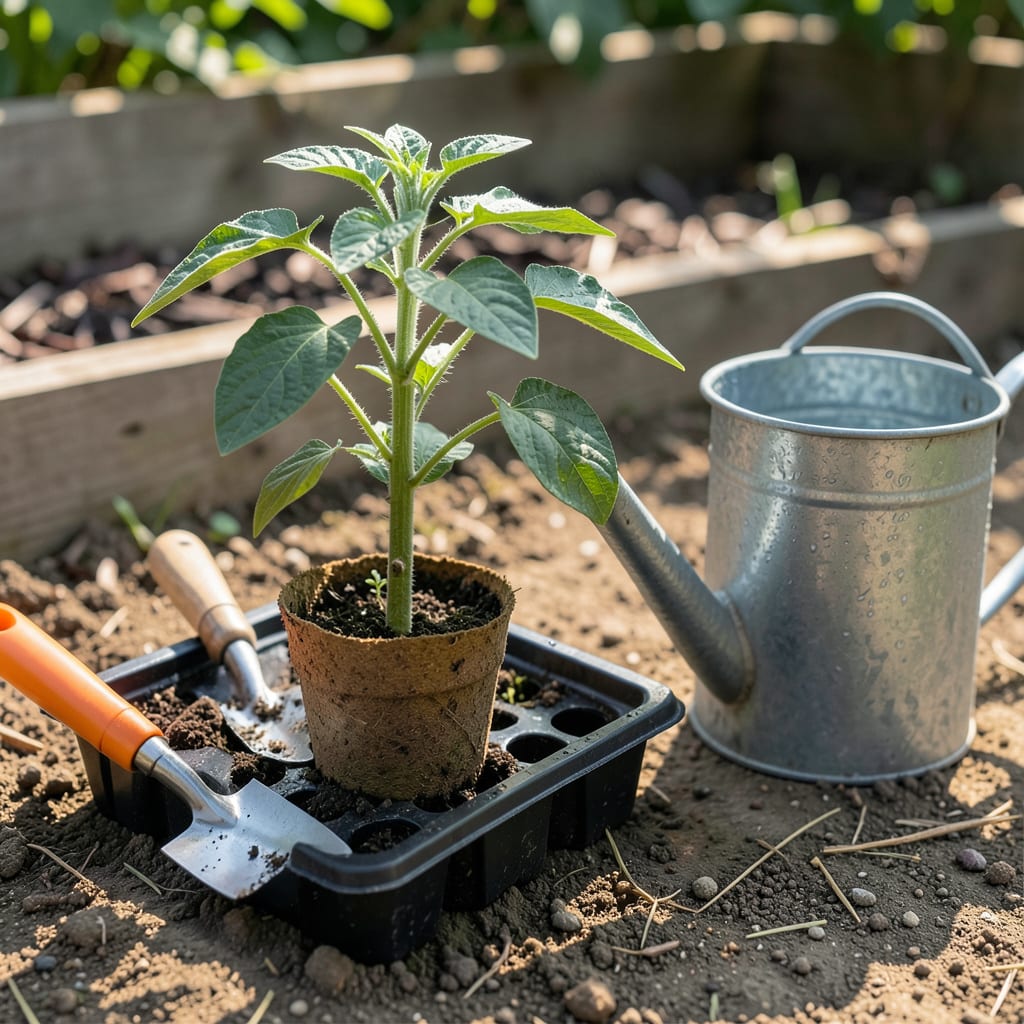
Texas gardeners know the struggle: plant your 🌶️ bell peppers too soon, and a late frost might wipe them out. Wait too long, and the summer sun will fry your plants before they bear fruit. The difference between a lackluster harvest and buckets of crisp, sweet peppers often comes down to just a few weeks.
I’ve spent years testing planting windows across Texas’s wild climate swings, from the Panhandle’s chilly springs to the Gulf Coast’s steamy summers. What I’ve learned will save you time, frustration, and a whole lot of trial and error. Let’s nail that perfect timing—so you get peppers, not problems.
Texas’s wild weather swings make bell pepper planting a high-stakes game. I’ve seen gardeners lose entire crops because they ignored the heat tolerance limits of their plants or misjudged their region’s frost dates. Even experienced growers sometimes get tripped up by Texas’s unpredictable climate shifts.
What separates the thriving pepper patches from the wilted disappointments? Avoiding these five common mistakes that derail Texas gardens. From planting at the wrong time to neglecting soil prep, these pitfalls are easy to fix—once you know what to watch for.
One of the biggest mistakes I see is planting during heatwaves. Bell peppers stop setting fruit when temps exceed 90°F. If you’re planting in summer, opt for fall crops and use shade cloth to keep soil temps down. Morning sun with afternoon shade is ideal.
Another silent killer? Poor soil prep. Texas clay compacts around roots, suffocating plants. Before transplanting, loosen soil 12 inches deep and mix in compost. I add a handful of worm castings to each hole for a nutrient boost. This simple step doubles root growth in my trials.
Watering mistakes are just as deadly. Too much water in humid regions invites fungal diseases like blossom-end rot. Too little in drought-prone areas causes bitter, stunted peppers. The fix? Drip irrigation on a timer—set for early morning to reduce evaporation and fungal risks.
Finally, don’t overlook variety selection. Not all bell peppers handle Texas heat equally. ‘Aristotle’ and ‘Tequila’ laugh at 100°F days, while ‘California Wonder’ wilts. Check your local extension office for region-specific recommendations—it’s the difference between a handful of peppers and a bushel.
Dodge these mistakes, and you’ll be harvesting plump, sweet peppers while your neighbors wonder what went wrong. Next up: Let’s talk about the best heat-tolerant varieties to plant in your Texas garden 🌱.
Not all bell peppers can handle Texas’s brutal summers. After years of testing, I’ve found that heat-tolerant varieties like ‘Aristotle’ and ‘Tequila’ thrive where others wilt. These cultivars laugh at 100°F days and keep producing when lesser peppers give up.
For spring planting, focus on early-maturing varieties like ‘Jupiter’ (60 days) or ‘Carmen’ (70 days). They’ll beat the heat and give you peppers before summer’s worst. Fall crops do best with disease-resistant types like ‘Heritage’—it shrugs off humidity and bacterial leaf spot.
If you’re in North Texas, ‘Jupiter’ is your best bet—it handles those late spring cold snaps. Gulf Coast gardeners should try ‘Carmen’ for its humidity resistance. For West Texas’s dry heat, ‘Tequila’ conserves water while still producing heavy yields.
Pro tip: Look for varieties with “VFFN” resistance codes (Verticillium, Fusarium, Nematodes). Texas soils harbor these pathogens, and resistant plants save you from heartbreak. I always check the seed packet for these letters before buying.
Don’t forget about color options! ‘Purple Beauty’ adds visual flair and handles heat well, while ‘Orange Sun’ ripens faster than red varieties. Mixing colors extends your harvest window and makes meals more vibrant 🌱.
For fall crops, plant transplants by mid-July in North Texas and early August in South Texas. This gives plants time to mature before first frost.
Choose fast-maturing varieties like ‘Jupiter’ (60 days) to beat the cooling weather. Use shade cloth to protect young plants from August heat.
Bell peppers need soil temps above 60°F to thrive. Use a soil thermometer to check at 4-inch depth in the morning.
In colder regions like the Panhandle, warm soil with black plastic mulch or row covers if planting early.
Yes! Coastal areas (Zones 9-10) can plant in fall for winter harvests. Protect plants during rare freezes with frost blankets.
Winter peppers grow slower but often taste sweeter due to cooler nights. Reduce watering in dormant months.
Bell peppers drop blossoms when temps exceed 90°F. Provide 30% shade cloth and consistent moisture to revive production.
Switch to heat-tolerant varieties like ‘Aristotle’ for summer planting, or focus on fall crops instead.
