
Beautiful Plants For Your Interior
Beautiful Plants For Your Interior
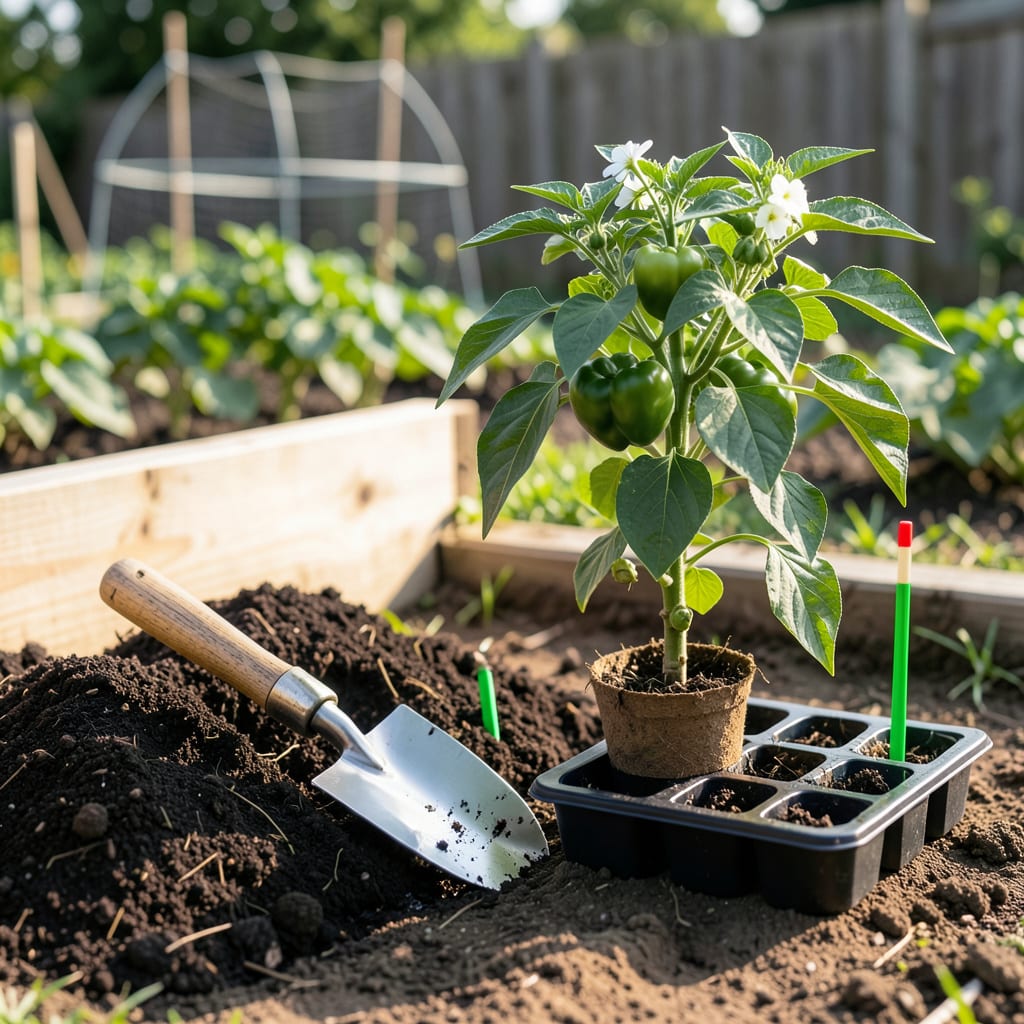
Florida’s heat and humidity can make or break your bell pepper harvest—plant at the wrong time, and you’ll end up with stunted plants or bitter fruit. The key? Working with the climate, not against it.
I’ve tested planting windows across North, Central, and South Florida, and the differences are striking. Whether you’re in Jacksonville or Miami, I’ll show you the exact months to plant for sweet, crisp 🌶️ peppers—without the guesswork.
Florida’s unique climate means bell peppers thrive on a different schedule than in cooler states. The key is working with our three distinct zones—North, Central, and South—each with its own microclimate quirks. Up north, you’ll battle occasional frosts, while Southern gardeners face year-round heat and humidity.
Timing isn’t just about frost dates here. It’s about dodging summer scorchers that can stress plants and rainy seasons that drown roots. I’ve found that even a two-week difference in planting can mean the difference between a bumper crop and a sad, wilted stem. Let’s break it down by zone so you nail that perfect window.
| Zone | USDA Hardiness | Start Indoors | Transplant Outdoors | Direct Sow | Avoid Planting |
|---|---|---|---|---|---|
| North Florida | 8a-9a | Jan–Feb | Mar 15–Apr 15 | Apr 1–May 1 | Jun–Aug (heat stress) |
| Central Florida | 9a-10a | Dec–Jan | Feb 1–Mar 15 | Feb 15–Apr 1 | May–Sep (rainy season) |
| South Florida | 10b-11a | Nov–Dec | Jan 15–Feb 15 | Jan–Mar | Apr–Oct (hurricane season) |
Pro Tip: In South Florida, plant a second crop in late August for winter harvests! ☀️
Notice how Central Florida gets a head start compared to the north? That’s because our last frost dates vary wildly—North Florida might see a late freeze in mid-March, while Orlando gardeners are often safe by early February. I always recommend using a soil thermometer to confirm temps are above 60°F before transplanting.
If you’re in South Florida, you’ve got a unique advantage: two growing seasons! Plant in late winter for a spring harvest, then again in late summer for a winter crop. Just be sure to protect young plants from sudden cold snaps—yes, even Miami can dip into the 40s overnight!
For all zones, avoid planting during peak summer (June–August). The combination of heat and humidity stresses peppers, leading to blossom drop and poor fruit set. If you must grow in summer, opt for shade cloth (30–50%) and drip irrigation to keep roots cool. I’ve had luck with ‘Carmen’ and ‘Aristotle’ hybrids—they handle heat better than classic varieties.
Here’s a quick soil prep tip: Florida’s sandy soil drains fast, so mix in 2–3 inches of compost and a balanced fertilizer (like 10-10-10) before planting. Peppers crave consistent moisture, but hate soggy roots. Mulch with straw or pine bark to retain water without waterlogging. Trust me, this step alone can double your yield!
Don’t forget about microclimates! A south-facing wall or urban heat island can let you plant 2–3 weeks earlier than the general zone guidelines. I once grew peppers in Tampa in late December just by tucking them next to a brick patio—it absorbed heat during the day and radiated warmth at night.
If you’re starting from seeds indoors, use a heat mat to maintain 70–80°F soil temps. Florida’s winters can be too cool for germination, even in the south. Transplant seedlings when they’ve got 4–6 true leaves and harden them off for a week first—our intense sun can shock tender starts.
Lastly, keep an eye on the 10-day forecast before planting. A late cold snap in North Florida or an early heatwave in South Florida can derail your plans. I use the Florida Automated Weather Network (FAWN) for hyper-local data—it’s a game-changer for timing those critical first weeks in the ground. 🌡️
Florida’s heat and humidity create a perfect storm for bell pepper pitfalls. Even experienced gardeners can sabotage their harvest by overlooking microclimate quirks or misjudging our unpredictable weather. Let’s tackle the top three mistakes I see every season—and how to fix them.
The first blunder? Ignoring soil temperature. Many gardeners focus on air temps, but peppers need soil above 60°F to thrive. Plant too early in North Florida, and cold roots will stunt growth. Use a soil thermometer—it’s my secret weapon for timing transplants perfectly.
💡 Quick Fix: Add 2–3″ of pine bark mulch to regulate moisture and temperature.
Another common error is underestimating rainfall. Florida’s summer downpours can drown pepper plants in days. I learned this the hard way when my Central Florida crop rotted after a week of daily storms. The fix? Plant in raised beds with well-draining soil and cover seedlings with cloches during heavy rain.
Finally, many gardeners choose the wrong varieties. Not all peppers handle Florida’s heat and humidity equally. I’ve had the best luck with ‘Carmen’ (disease-resistant) and ‘Aristotle’ (heat-tolerant). Avoid old heirlooms like ‘California Wonder’—they often wilt in our 90°F+ summers.
Here’s a pro tip for South Florida gardeners: Don’t plant in June–August. The combination of heat and hurricane-season rains creates a perfect storm for fungal diseases. Instead, aim for late August plantings to harvest through winter. I’ve gotten sweet, crisp peppers in December using this trick!
Lastly, watch for pest explosions. Florida’s warmth means aphids and whiteflies multiply fast. I spray neem oil every 10–14 days as a preventive. If you spot curled leaves or sticky residue, act fast—those bugs can decimate a crop in weeks. 🪲
Not all bell peppers can handle Florida’s sweltering heat and stifling humidity. After testing dozens of varieties across the state, I’ve found that hybrid cultivars consistently outperform heirlooms in our climate. The best ones resist diseases like bacterial spot and thrive in 90°F+ temps without wilting.
For North Florida gardeners, I recommend ‘Carmen’—a sweet red pepper that tolerates cooler snaps and produces 4-inch fruits in just 65 days. It’s my go-to for early spring planting when nights are still chilly. Another winner is ‘Aristotle’, which laughs at our summer humidity and keeps producing even when others quit.
💡 Pro Tip: Look for “VFFN” labels (Verticillium, Fusarium, Nematode resistant)—critical for Florida soils!
If you’re in Central or South Florida, ‘Orange Blaze’ is a standout. It matures in just 60 days, beating the summer heatwave that stalls other varieties. For container gardeners, ‘Lunchbox’ peppers are perfect—they stay compact and produce snack-sized fruits that kids love. I grow them on my balcony in Miami with great success.
Want giant peppers for stuffing? ‘Emerald Giant’ delivers 5-inch fruits that hold their shape when cooked. They need consistent watering but reward you with monster yields. For colorful mixes, pair ‘Sweet Banana’ (yellow) with ‘Purple Beauty’—they add visual pop to dishes and markets.
Avoid ‘California Wonder’ and other old heirlooms—they’re disease magnets in our climate. Instead, seek out University of Florida-tested varieties like ‘UF Bell Boy’, bred specifically for our high humidity and sandy soils. Local nurseries often carry these, or check UF/IFAS Extension for seed sources.
Remember: Variety matters more than skill in Florida. Even expert gardeners struggle with the wrong peppers. Stick to these heat-loving hybrids, and you’ll harvest sweet, crisp peppers while others battle wilted plants. I’ve seen ‘Aristotle’ thrive in 95°F heat when other varieties fried—it’s worth the extra $2 per plant! 🌶️
Use frost blankets or cloches to shield seedlings when temps dip below 50°F. In North Florida, keep covers handy until mid-March. For extra warmth, add mulch or plant near a south-facing wall to absorb daytime heat.
Almost! Skip summer (June–August) due to extreme heat and storms. Instead, plant in late winter and again in late August for winter harvests. Varieties like ‘Aristotle’ handle the mild winters beautifully.
Avoid planting during peak summer heat (June–August). Use shade cloth (30–50%) and maintain even moisture with drip irrigation. ‘Carmen’ and ‘Orange Blaze’ hybrids resist this better than heirlooms.
‘Orange Blaze’ matures in just 60 days, perfect for beating Florida’s heat. ‘Sweet Banana’ is another speedy option at 65 days. Both thrive in containers too!
Reduce watering in summer (May–September) when rain is frequent. Use raised beds with well-draining soil to prevent root rot. Check soil moisture 2 inches deep—if damp, skip watering.
