
Beautiful Plants For Your Interior
Beautiful Plants For Your Interior
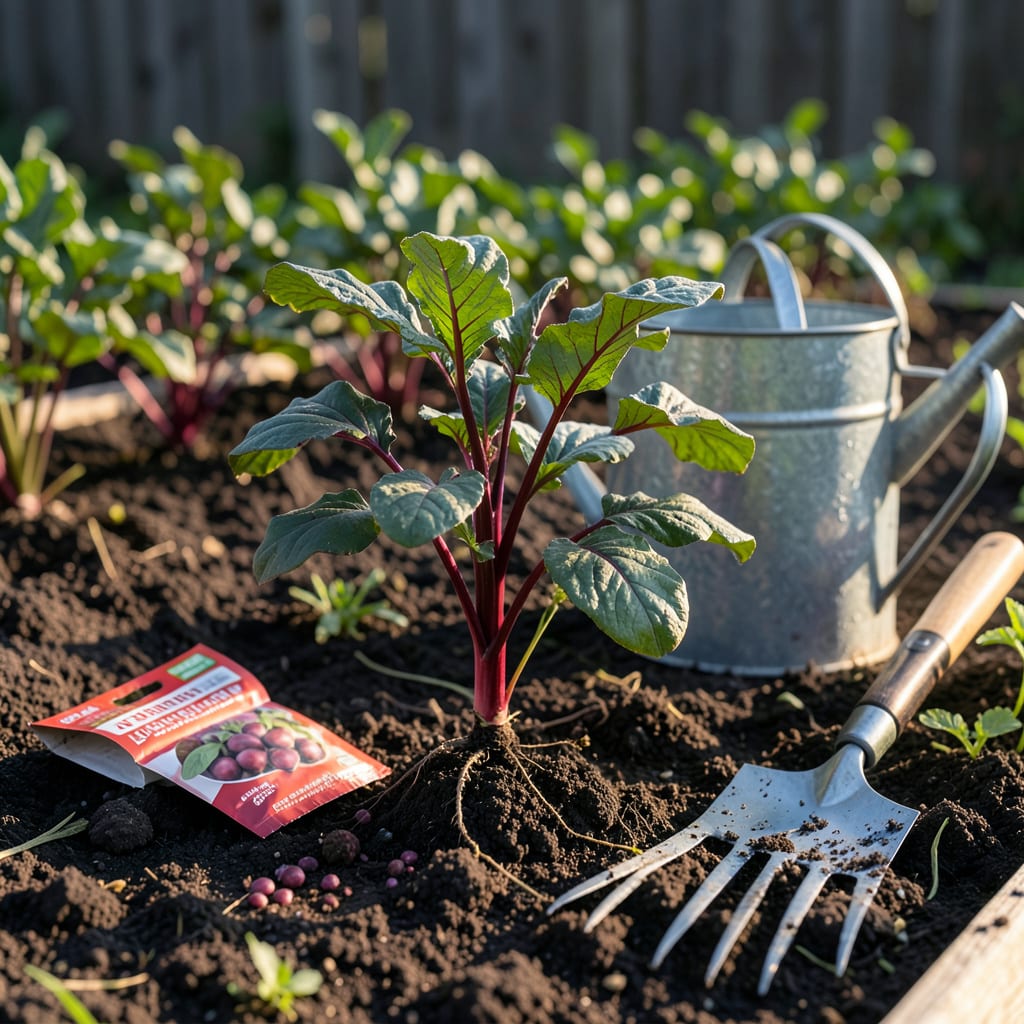
Texas gardeners know the struggle: plant your beets too early, and they bolt before you can blink. Wait too long, and the scorching heat turns your sweet harvest into tough, bitter roots. The difference between success and disappointment? Perfect timing tailored to your exact growing zone.
I’ve tested planting windows across Texas—from the Panhandle to the Gulf Coast—and discovered the sweet spot for each region. Whether you’re in Zone 6 or 10, I’ll show you how to outsmart the Texas climate and pull vibrant, tender beets from your soil every time.
If you’ve ever tried growing beets in Texas, you know our wild weather swings make timing tricky. The Lone Star State spans USDA zones 6a–10a, meaning what works in Dallas (Zone 8a) won’t fly in Houston (Zone 9b). Get it right, and you’ll harvest sweet, tender beets—get it wrong, and they’ll bolt or turn woody.
Beets thrive when soil temps hit 50–75°F, so we’ve got two prime windows: early spring and fall. The key is avoiding Texas’ brutal summers, where temps above 80°F turn beets bitter and tough. Let’s break down the exact dates for your zone.
| Region | Zone | Spring Planting | Fall Planting | Notes |
|---|---|---|---|---|
| North Texas | 6a–8a | March 1–April 1 | Sept 1–Oct 15 | Avoid late April heat |
| Central Texas | 8a–8b | Feb 15–March 15 | Sept 15–Oct 30 | Watch for late frosts |
| Gulf Coast | 9a–10a | Jan 15–Feb 15 | Oct 15–Nov 30 | Humidity helps germination |
| West Texas | 7a–8b | March 15–April 15 | Sept 15–Oct 15 | Drought-tolerant varieties best |
*Adjust dates by 1–2 weeks based on microclimates and frost forecasts.
For North Texas gardeners (like me in Zone 8a), I swear by planting St. Patrick’s Day week for spring crops. The soil’s usually warmed to 50°F, and you’ll beat the 90°F+ summers. Use a soil thermometer—don’t guess! If you’re in Houston or Corpus, your fall window stretches into November thanks to milder winters.
Here’s my pro tip: Soak beet seeds overnight before planting. Texas soils can be dry, and this gives them a moisture boost. Plant seeds ½ inch deep and 2 inches apart, thinning to 4 inches once sprouts appear. I use shade cloth if unexpected heat waves hit—it’s saved my beets more than once!
Watch your last frost date closely. In Dallas/Fort Worth, that’s around March 15, but El Paso might see frost until April 10. I always check the Texas A&M AgriLife Extension for updated frost maps. For fall planting, count backward from your first frost date—beets need 60–70 days to mature.
If you’re in Zone 9 or 10, you can sneak in a winter crop! Plant in December–January for a late-winter harvest. I’ve had great luck with ‘Early Wonder’ beets—they mature in just 45 days and handle mild freezes. Just cover them with frost blankets if temps dip below 28°F.
Remember: Beets hate soggy soil. Our Texas clay can hold too much water, so I amend beds with compost and sand for better drainage. A raised bed works wonders if you struggle with heavy soil. And
For those in urban areas with limited space, beets grow beautifully in containers. Use a pot at least 12 inches deep, and you can plant a few weeks earlier since containers warm up faster. I’ve grown ‘Babybeat’ in pots on my patio—they’re perfect for small spaces and ready in 50 days!
Lastly, keep an eye on daylength. Beets are sensitive to long summer days, which can trigger bolting. That’s why fall planting often yields sweeter beets—cooler temps and shorter days reduce stress. If you see flower stalks forming, harvest immediately or pinch them off to redirect energy to the roots.
Even with perfect timing, Texas gardeners often sabotage their beet harvests without realizing it. I’ve seen it time and again—healthy-looking greens but tiny, woody roots, or worse, plants that bolt before they even form proper beets. The culprits? Usually one of three common mistakes that are easy to fix once you know what to watch for.
The first blunder is ignoring soil temperature. Beets need soil between 50–75°F to germinate properly. Plant when it’s too cold (below 45°F), and seeds rot. Plant when it’s too hot (above 80°F), and they’ll either refuse to sprout or produce stringy roots. Always check with a soil thermometer—don’t guess!
💡 Quick Fix: Mulch with straw or shredded leaves to regulate soil temp and moisture.
Another game-changer is seed spacing. I used to sprinkle beet seeds like fairy dust, thinking more seeds meant more beets. Wrong! Each beet “seed” is actually a cluster of 2–4 seeds, so they need room. Plant clusters 1 inch apart, then thin to 3–4 inches when seedlings are 2 inches tall. Crowded beets compete for nutrients, resulting in tiny, tough roots.
Watering inconsistencies wreck more Texas beet crops than anything else. Our clay soils either hold too much water or dry out completely. Beets need consistent moisture—about 1 inch per week—to develop sweet, tender roots. In summer heat, that might mean daily watering for container beets. I set up drip irrigation on a timer to keep moisture levels steady. If you’re hand-watering, check soil moisture 2 inches deep—if it’s dry, it’s time to water.
The final mistake? Neglecting soil prep. Texas soils often lack organic matter, and beets need loose, well-draining soil to expand properly. Before planting, I work in 2–3 inches of compost and a handful of sand to improve drainage. Avoid fresh manure—it’s too high in nitrogen and promotes leafy growth over root development. A pH between 6.0–7.0 is ideal; test your soil and amend if needed.
Here’s my Texas-tested trick for sweeter beets: Plant in partial shade during our hottest months. A spot with morning sun and afternoon shade reduces heat stress. I’ve also had success with ‘Red Ace’ and ‘Detroit Dark Red’ varieties—they handle Texas heat better than most. And
Remember, beets are cool-season crops that tolerate light frosts but despise heat. In Zone 9–10, consider them a winter crop rather than spring. I’ve grown beautiful beets in December–February along the Gulf Coast when summer plantings failed. The key is matching your variety choice to your growing window—fast-maturing types like ‘Early Wonder’ (45 days) work best for short seasons.
Not all beets can handle Texas’ scorching summers or short cool seasons. After testing dozens of varieties across the state, I’ve found the top performers that thrive in our unique climate. The secret? Choosing types bred for heat tolerance, fast maturity, or bolt resistance—because in Texas, timing is everything.
For Gulf Coast gardeners (Zones 9–10), I swear by ‘Red Ace’—it handles humidity and heat better than most, with 55-day maturity. In North Texas (Zones 6–8), ‘Detroit Dark Red’ is my go-to for its consistent performance in unpredictable springs. Both varieties maintain sweetness even when temps creep above 75°F.
| Variety | Days to Maturity | Heat Tolerance | Best For | Flavor Profile |
|---|---|---|---|---|
| Red Ace | 55 days | ⭐⭐⭐⭐⭐ | Gulf Coast summers | Sweet, earthy |
| Early Wonder | 45 days | ⭐⭐⭐⭐ | Short seasons | Mild, tender |
| Detroit Dark Red | 60 days | ⭐⭐⭐⭐ | North Texas springs | Classic beet taste |
| Boltardy | 55 days | ⭐⭐⭐⭐⭐ | Heat-prone areas | Sweet, bolt-resistant |
💡 Pro Tip: For container growing, try ‘Babybeat’—compact and perfect for patios!
Need fast results? ‘Early Wonder’ delivers in just 45 days—perfect for squeezing in a crop before summer heat arrives. I’ve grown these in both spring and fall with great success. Their smaller roots stay tender even when mature, making them ideal for Texas’ shorter cool seasons.
For heat-stressed gardens, ‘Boltardy’ lives up to its name. This variety resists bolting even when temps climb, making it my top pick for late spring plantings in Central Texas. The roots stay sweet and smooth even when other varieties turn fibrous. Pair it with mulch and afternoon shade for best results.
Don’t overlook golden beets like ‘Touchstone Gold’! They’re less earthy than red varieties and maintain sweetness in heat. I’ve found they’re particularly forgiving in West Texas where water is scarce. Their bright color also makes them easy to spot at harvest time, preventing over-maturity.
Remember: Variety selection is just as important as planting time in Texas. Match your beet type to your growing window—fast varieties for short seasons, heat-tolerant types for summer edges. And always succession plant every 2–3 weeks for continuous harvests. With the right variety, you can enjoy homegrown beets nearly year-round in Texas! 🌱
Only in Zones 9-10 (like the Gulf Coast) can you grow beets as a winter crop. In colder zones, stick to spring and fall plantings. Summer heat above 80°F makes beets bitter and woody.
Check the shoulder diameter—most varieties are ready at 1–3 inches across. Gently brush away soil to inspect. Harvest when roots reach desired size but before they get fibrous (usually 60–70 days after planting).
Amend heavy clay with compost and sand for better drainage. Plant seeds ½ inch deep and 1 inch apart, then thin to 3–4 inches. Soaking seeds overnight boosts germination in dry Texas conditions.
Bolting happens when beets experience temperature swings or long daylight hours. In Texas, plant early enough to mature before summer heat, or opt for bolt-resistant varieties like ‘Boltardy’. Shade cloth can help extend the season.
