
Beautiful Plants For Your Interior
Beautiful Plants For Your Interior
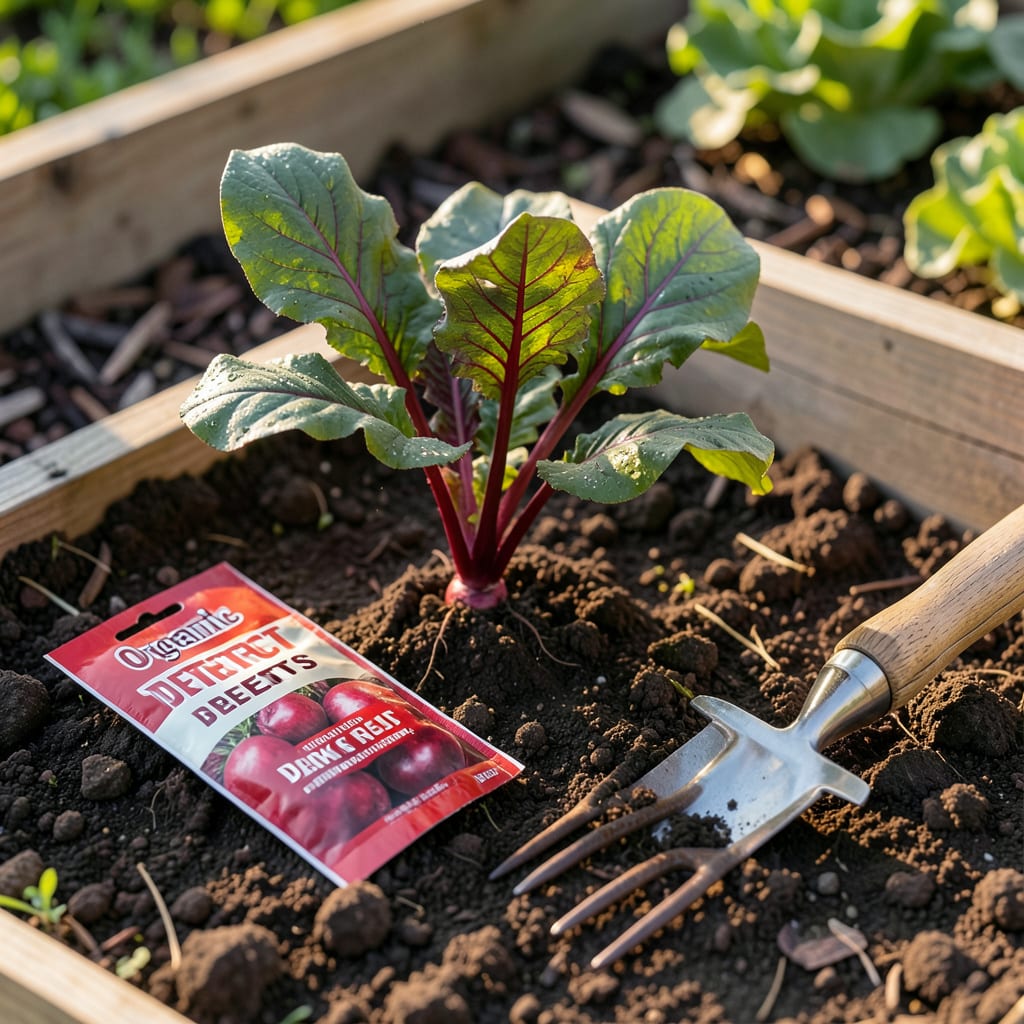
Timing your beet planting in Pennsylvania can mean the difference between a lackluster harvest and the sweetest, most tender roots you’ve ever grown. I’ve seen gardeners struggle with bolting or stunted growth simply because they missed their zone’s ideal window.
Whether you’re in Philadelphia’s Zone 7 or Pittsburgh’s Zone 6, the key lies in working with PA’s unpredictable springs and falls. Let me break down exactly when to get those seeds in the ground—and why fall-planted beets often outshine their spring counterparts.
If you’re eager to grow crisp, sweet beets in Pennsylvania, timing is your secret weapon. Our state spans USDA zones 5a–7b, meaning your planting window shifts dramatically from the Poconos to Philly. Too early, and frost stunts growth; too late, and summer heat turns roots woody.
I’ve found that spring planting works best 2–4 weeks before your last frost, while fall beets thrive when sown 6–8 weeks before the first frost. But let’s get specific—your exact dates depend on where you garden in PA.
| PA Region | USDA Zone | Spring Planting | Fall Planting | Last Frost |
|---|---|---|---|---|
| Philadelphia Area | 7a–7b | March 15–April 1 | Aug 15–Sept 1 | April 15 |
| Pittsburgh Area | 6a–6b | April 1–April 15 | July 15–Aug 1 | May 10 |
| Poconos/Northeast | 5a–6a | April 15–May 1 | July 1–July 15 | May 20 |
| Central PA | 6a–6b | April 1–April 15 | July 15–Aug 1 | May 10 |
In Zone 7 (Philly area), I start sowing ‘Detroit Dark Red’ as early as late March—the soil warms faster there. But in Zone 5 (Poconos), waiting until mid-April prevents seed rot from lingering cold. Always check your soil temperature: beets germinate best at 50–85°F.
For fall planting, count backward from your first frost date. In Pittsburgh (Zone 6b), that’s around October 15, so I plant by early August. Fall beets often taste sweeter because cooler temps concentrate sugars in the roots.
Don’t forget succession planting! I sow a new row every 2–3 weeks until mid-June for continuous harvests. This works especially well in Zone 6, where the growing season stretches 160–180 days. Just avoid planting during July’s heat—beets bolt quickly above 75°F.
If you’re in urban areas like Philly or Pittsburgh, watch for heat islands that can dry soil faster. I recommend mulching with straw to retain moisture. In rural zones, heavy clay soil is common—amend with compost to help roots expand easily.
Pro tip: Use a soil thermometer to confirm temps are above 50°F before planting. If you’re in Zone 5, consider row covers for early spring sowings—they can buy you 2 extra weeks of growing time.
For container gardeners, PA’s variable weather means you can start earlier in pots (move indoors if frost threatens). Just ensure containers are at least 8 inches deep—beets need room to grow!
Remember, beet greens are edible too! In Zone 7, I harvest young leaves for salads while waiting for roots to mature. This dual-purpose crop gives you more bang for your gardening buck.
If you’ve ever wondered why your spring beets taste different from fall-harvested ones, Pennsylvania’s climate holds the answer. I’ve tested both seasons extensively, and the differences in sugar content, pest pressure, and growth speed might surprise you.
Spring planting in PA often means battling unpredictable rains and late frosts, while fall beets benefit from cooler temps that enhance sweetness. But each season has trade-offs—let’s compare them side by side to help you decide which (or both!) to try.
| Factor | Spring Planting | Fall Planting |
|---|---|---|
| Best Zones | All (5a–7b) | 6a–7b (longer season) |
| Sweetness Level | Good (can bolt in heat) | Higher (cool temps concentrate sugars) |
| Pest Pressure | Moderate (flea beetles) | Low (fewer pests in fall) |
| Growth Speed | 50–60 days | 60–70 days (slower but sweeter) |
| Soil Temp Needed | 50°F+ (can be tricky in Zone 5) | 50–75°F (easier to achieve) |
| Harvest Window | June–July | Oct–Nov (store well) |
In my Zone 6b garden near Pittsburgh, I’ve noticed fall beets consistently outperform spring plantings. The cooler nights (think 50–60°F) trigger beets to convert starches to sugars, making them taste almost candy-like. Spring beets, while faster, often develop woody centers if temps spike above 75°F.
Spring planting does have one advantage: earlier harvests. If you’re craving fresh beets by June, start seeds indoors 4 weeks before transplanting (around March 1 in Zone 7). Use biodegradable pots to avoid root disturbance. For fall crops, direct-sow seeds—transplants struggle with PA’s late-summer heat.
Succession planting bridges both seasons beautifully. I sow a new row every 3 weeks from early April to mid-June, then resume in late July for fall. This ensures I’m never without beets—and the young greens make fantastic salad additions while waiting for roots to mature.
One Zone 5 challenge: Our short fall season (first frost by Oct 1) means starting fall beets by July 15. I use row covers to extend the season by 2–3 weeks, which is often enough for a full harvest. In Zone 7, you can plant fall beets as late as September 1 and still get tender roots.
For container gardeners, fall planting is often easier—pots stay warmer than ground soil in early spring, reducing germination issues. Just move containers to full sun (6+ hours daily) and keep soil moist. I’ve grown ‘Babybeat’ in 10-inch-deep pots with great success, harvesting golf-ball-sized beets in 50 days.
Whichever season you choose, remember that beets hate competition. Thin seedlings to 2–3 inches apart once they’re 2 inches tall. Crowded beets produce small, tough roots. And don’t toss those thinnings—they’re delicious in stir-fries or as garnishes!
Even experienced Pennsylvania gardeners can stumble when growing beets. I’ve seen three critical errors that turn what should be a low-maintenance crop into a frustrating experience. The good news? Each has a simple fix once you know what to watch for.
Our state’s variable clay soils, unpredictable springs, and quick temperature swings create perfect conditions for these missteps. Let’s tackle them one by one so you can avoid stunted roots, bitter flavors, or worse—no harvest at all.
💡 Zone 5 Tip: In the Poconos, add sand to heavy soil to prevent forked roots—a common issue in compacted clay.
First, let’s talk about planting depth. Pennsylvania’s clay-heavy soils (especially in Central PA and the Poconos) can suffocate beet seeds if planted too deep. I’ve lost entire rows by sinking seeds more than ½ inch—they either rot or exhaust their energy before breaking surface.
The fix? Scratch a shallow trench (no deeper than your fingernail) and firm soil gently over seeds. In Zone 5 areas, where soil stays cold longer, I warm the row with black plastic for 1–2 weeks before planting. This trick jumps starts germination by 7–10 days.
Next up: soil pH. Beets hate acidic soil, yet much of PA’s native dirt falls below 6.0. When pH dips too low, you’ll get small, tough roots with poor color. I test my soil every spring using a $10 probe from the garden center.
If your pH is off, work in pelletized lime (for acidic soil) or sulfur (for alkaline) 2 weeks before planting. In urban gardens (like Philly’s Zone 7), construction debris can skew pH—always test after major soil disturbances.
Finally, watering mistakes wreck more PA beet crops than pests do. Our spring rains lull gardeners into thinking nature will handle irrigation, but inconsistent moisture leads to cracked, woody roots. I use a drip tape system on a timer to deliver 1 inch per week.
In drought-prone summers (looking at you, Lancaster County), mulch with straw to retain moisture. Avoid overhead watering—wet foliage invites leaf spot diseases, especially in humid Zone 7 areas. If you’re container gardening, check soil daily—pots dry out 2–3x faster than ground beds.
Bonus tip for Zone 6 gardeners: If your beets bolt prematurely, it’s often from temperature swings, not age. Use shade cloth when forecasts predict 80°F+ days to buy extra time. I’ve extended harvests by 3 weeks with this simple trick.
For fall beets, aim to plant 6–8 weeks before your first frost date. In Zone 6 (Pittsburgh), that means sowing by early August, while Zone 7 (Philly) gardeners can plant until early September. Fall beets often taste sweeter due to cooler temperatures.
Choose containers at least 8 inches deep with drainage holes. Use well-draining potting mix and place in full sun (6+ hours daily). Container beets may need more frequent watering, especially during summer heatwaves.
Beets bolt when exposed to temperatures above 75°F for extended periods. In PA, this often happens in July. To prevent it, use shade cloth during heatwaves or opt for bolt-resistant varieties like ‘Boltardy’.
Yes! Urban areas like Philly (Zone 7) warm faster than rural Zone 5 (Poconos). Check your local frost dates and soil temperature—beets germinate best at 50–85°F. When in doubt, use a soil thermometer for accuracy.
