
Beautiful Plants For Your Interior
Beautiful Plants For Your Interior
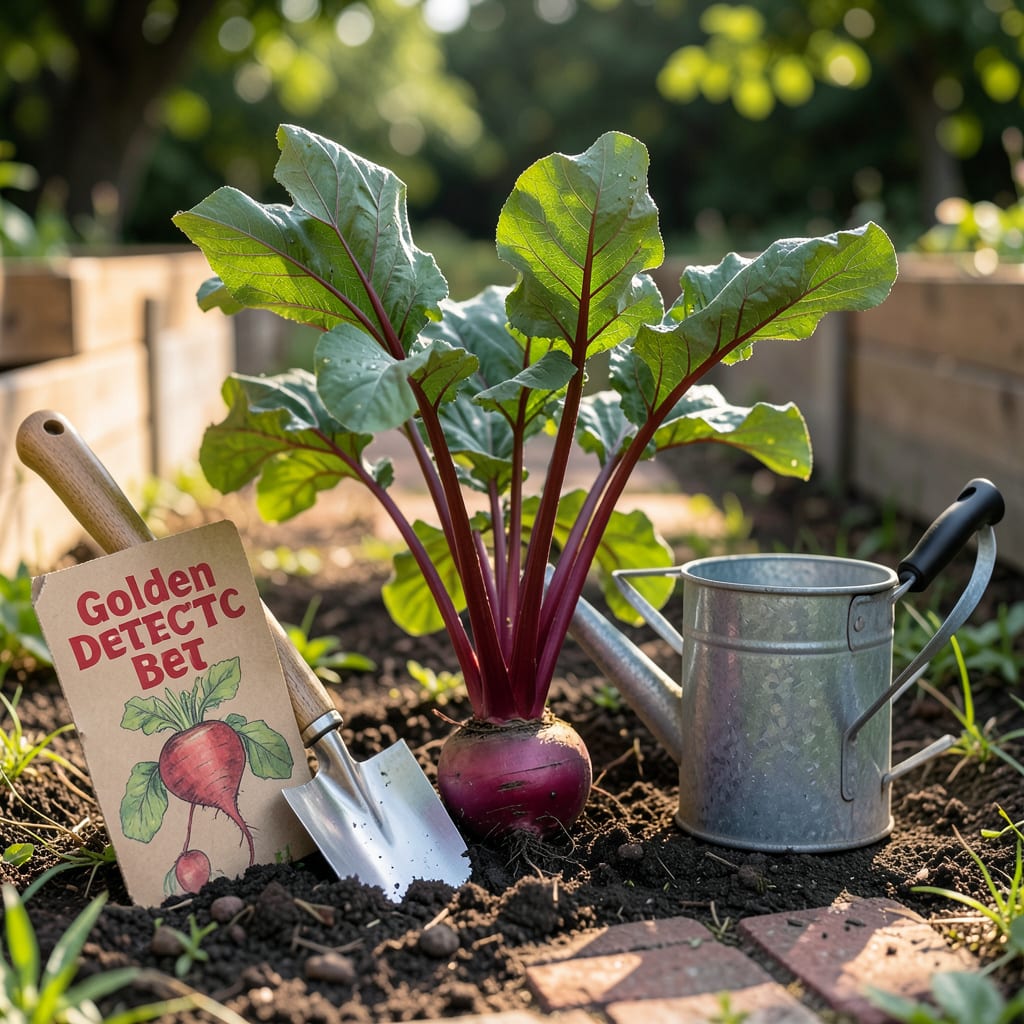
Timing your beet planting in North Carolina can mean the difference between sweet, tender roots and tough, bitter disappointments. Our state’s unpredictable swings from late frosts to sudden summer heat make nailing that planting window the key to success.
Whether you’re in the mountains, piedmont, or coastal plain, I’ll break down exactly when to get those seeds in the ground—spring and fall—for a harvest that’ll make your neighbors jealous. No guesswork, just science-backed dates tailored to NC’s zones.
North Carolina’s diverse climate—spanning USDA zones 6a to 8b—means beet planting times vary dramatically. In the Mountains (Zone 6a-7a), you’ll plant later than the Coastal Plain (Zone 8a-8b), where mild winters allow for extended seasons. The key? Soil temperature must hit 50°F for germination.
I always check the last frost date for my area—typically April 1–30 across NC. For spring beets, sow 2–4 weeks before this date. Fall plantings need to go in 8–10 weeks before the first frost (around October 1–November 1). This ensures roots mature before cold snaps.
| USDA Zone | Spring Planting | Fall Planting | Notes | |
|---|---|---|---|---|
| Mountains (Asheville, Boone) |
6a–7a | Mid-April to May 15 |
Late July to Aug 15 |
Shorter season; use early-maturing varieties like ‘Detroit Dark Red’. |
| Piedmont (Raleigh, Charlotte) |
7b–8a | March 15 to April 15 |
Aug 1 to Sept 1 |
Ideal for succession planting. Watch for summer heat stress. |
| Coastal Plain (Wilmington, Outer Banks) |
8a–8b | Feb 15 to March 30 |
Sept 1 to Oct 15 |
Longest season; fall crops thrive with mild winters. |
In the Piedmont region, where I garden, I’ve found ‘Chioggia’ and ‘Golden’ beets handle the clay soil better than others. For coastal gardeners, the extended fall window is perfect for sweet, slow-growing varieties like ‘Lutz Winter Keeper’.
Soil prep matters too! NC’s heavy clay can stunt beet growth. I mix in compost or aged manure to improve drainage. A soil thermometer is my secret weapon—it tells me exactly when conditions are right, not just guessing by calendar dates.
Don’t forget succession planting! For a continuous harvest, I sow a new row every 2–3 weeks until late spring. In fall, I start again in late August, pausing by mid-September to avoid frost-damaged roots. This trick keeps my kitchen supplied with fresh beets for months.
If you’re in the Mountains, watch for late frosts—they can sneak in even after the “last frost” date. I use row covers for early spring plantings to protect tender seedlings. Coastal gardeners, meanwhile, can often push fall plantings into early November thanks to warmer soil.
Pro tip: Beets bolt (go to seed) in heat. In NC’s humid summers, I switch to shade cloth or plant in partial shade to extend the season. Varieties like ‘Early Wonder’ are more heat-tolerant if you’re determined to grow summer beets.
For the most accurate dates, I cross-check with NC State Extension’s planting calendar. Their zone-specific guides account for microclimates, like the cooler pockets in the foothills or the warmer urban heat islands in Charlotte.
Remember, beet seeds germinate best at 50–85°F. If your soil is too cold, seeds may rot. If it’s too hot, germination slows. A simple soil test (or even sticking your hand in the dirt!) can save you from a failed crop. When in doubt, wait for consistent 50°F+ soil temps.
Finally, don’t overlook fall beets—they’re often sweeter than spring-grown ones! The cooler temps concentrate sugars in the roots. Just be sure to harvest before the ground freezes, or mulch heavily to extend the season a few extra weeks.
🌱Want fresh beets all season long? Succession planting is your secret weapon in North Carolina’s finicky climate. Instead of sowing all your seeds at once, I stagger plantings every 2–3 weeks to avoid gluts and gaps. This method works like magic in our long growing season.
Start your first batch 4 weeks before your last frost date—around early March in the Piedmont or mid-February on the coast. Then, keep planting small batches until late May. For fall, begin again in early August and stop by mid-September to beat the frost.
In the Piedmont, where I garden, I’ve found ‘Chioggia’ and ‘Golden’ beets thrive with this approach. Their 55-day maturity fits perfectly between plantings. For coastal gardeners, try ‘Lutz Winter Keeper’—it handles humidity and stores well for winter use.
Here’s my pro tip: Soak seeds overnight before planting to speed germination. NC’s clay soil can crust over, making it tough for seedlings to break through. A light mulch layer (straw or shredded leaves) keeps soil moist and cool, which beets love.
Watch the weather forecasts closely. If a late frost threatens spring plantings, cover seedlings with row fabric. In summer, shade cloth (30–50%) protects young plants from scorching. I’ve lost entire rows to 90°F+ heatwaves—don’t let it happen to you!
For container gardeners, use pots at least 12 inches deep. Beets need room to grow, and containers dry out faster. I water my potted beets every 3–4 days in summer, compared to once a week for in-ground plants. Drip irrigation works best to keep foliage dry and disease-free.
Finally, track your plantings in a journal or app. Note germination rates, harvest dates, and any issues like pests or bolting. Over time, you’ll fine-tune your schedule for bigger, sweeter beets tailored to your exact NC microclimate. Trust me, nothing beats the taste of homegrown beets pulled straight from the garden! 🌱
Even experienced gardeners in North Carolina can trip up when growing beets. The biggest mistake I see? Ignoring soil pH. Beets thrive in 6.0–7.0 pH, but NC’s clay-heavy soil often skews acidic. A simple soil test kit from your local extension office can save your crop.
Another critical error: overcrowding seeds. Beet seeds are actually seed clusters, so each “seed” may sprout 2–4 plants. If you don’t thin to 3–4 inches apart, you’ll get stunted roots. I use scissors to snip extras at soil level—no disturbing the survivors!
Many NC gardeners also misjudge fall planting dates. Remember: beets need 8–10 weeks to mature before frost. In the Piedmont, that means seeding by September 1. Coastal gardeners can push to October 1, but Mountains folks should finish by August 15.
Avoid heavy nitrogen fertilizers—they produce lush tops but puny roots. I use a 5-10-10 balanced fertilizer at planting, then side-dress with compost. Too much nitrogen also attracts leaf miners, a common NC pest. Row covers can help, but I prefer neem oil sprays for organic control.
Finally, don’t forget to mulch your beets! NC’s summer storms can erode soil, exposing beet shoulders to sunburn. A 2-inch layer of straw keeps soil moist and cool. In fall, mulch extends the harvest by 2–3 weeks past the first frost. Trust me, these small tweaks make the difference between woody, bitter beets and sweet, tender gems. 🌱
Beet seeds germinate best when soil reaches 50°F or higher. In NC, this typically happens 2–4 weeks before the last frost date. Use a soil thermometer for accuracy—don’t rely on air temperature alone.
Choose containers at least 12 inches deep with drainage holes. Fill with loose potting mix, and water every 3–4 days (containers dry faster). Varieties like ‘Babybeat’ or ‘Little Ball’ work well in pots.
Bolting (premature flowering) usually happens due to heat stress or inconsistent watering. In NC, avoid planting after May 15 for spring crops. Use shade cloth in summer, and keep soil evenly moist. Heat-tolerant varieties like ‘Early Wonder’ help too.
Cover plants with row fabric or a cold frame when temps dip below 32°F. Mulch heavily with straw to insulate roots. In the Mountains, aim to harvest by late October before hard freezes set in.
Wait until seedlings are 2–3 inches tall, then use scissors to snip extras at soil level. Avoid pulling, which disturbs roots. Thin to 3–4 inches apart for full-sized beets or 2 inches for baby beets.
