
Beautiful Plants For Your Interior
Beautiful Plants For Your Interior
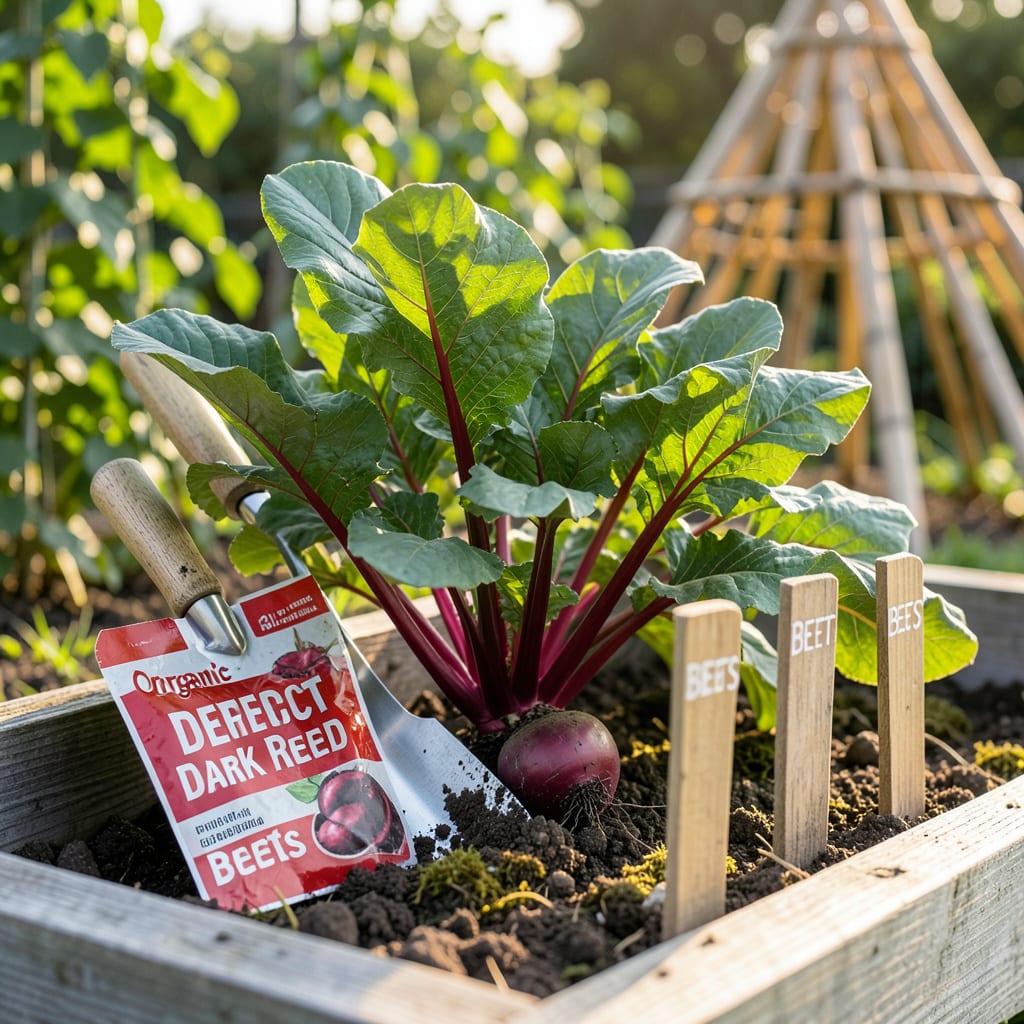
Missouri’s unpredictable weather can turn beet planting into a guessing game—plant too soon, and frost might wipe out your crop. But here’s the good news: with the right timing, you can grow sweet, tender beets that thrive in the Show-Me State’s climate.
I’ve tested the best planting windows for Missouri’s zones, and the difference is night and day. Whether you’re in St. Louis or the Ozarks, I’ll show you exactly when to get those seeds in the ground for a harvest that’s worth bragging about. Let’s dig in.
If you’re planting beets in Missouri, timing is your secret weapon. Missouri spans USDA Zones 5-7, meaning your planting dates shift depending on where you garden. In Zone 5 (like Columbia), you’ll plant later than gardeners in Zone 7 (near Joplin). The key? Soil temperature—beets thrive when soil hits 50°F or warmer.
Missouri’s unpredictable springs and scorching summers make timing tricky. Plant too early, and a late frost could stunt growth. Wait too long, and summer heat turns beets woody and bitter. That’s why I always recommend splitting your planting into spring and fall windows. Fall beets often taste sweeter thanks to cooler temps!
| Zone | Spring Planting | Fall Planting | Last Frost Date |
|---|---|---|---|
| Zone 5 (Columbia, Jefferson City) |
April 10–May 1 Soil prep: Late March |
Aug 1–15 Harvest before Oct 15 frost |
April 15 |
| Zone 6 (St. Louis, Kansas City) |
March 20–April 10 Succession plant every 2 weeks |
July 15–Aug 1 Avoid late-summer droughts |
April 1 |
| Zone 7 (Joplin, Springfield) |
March 1–20 Watch for late frost warnings |
July 1–15 Use shade cloth if needed |
March 15 |
Pro Tip: Use a soil thermometer—beets germinate poorly below 40°F but bolt above 80°F.
For spring planting, I start seeds 2–3 weeks before the last frost. In Zone 6 (like my St. Louis garden), that means sowing around March 20. If you’re in rural areas or higher elevations, add a 1–2 week buffer—microclimates matter! Urban heat islands (think downtown KC) let you plant 7–10 days earlier than surrounding areas.
Fall beets are my favorite—they’re sweeter and less prone to bolting. Aim to plant 60–70 days before your first frost. In Zone 5, that’s early August; in Zone 7, mid-July. Use fast-maturing varieties like ‘Early Wonder’ (50 days) for fall crops. Mulch heavily to retain moisture during Missouri’s dry late summers.
Soil prep is non-negotiable. Beets hate compacted soil—loosen it to 12 inches deep and mix in compost. I test my soil pH annually; beets prefer 6.0–7.0. If your soil is heavy clay (common in northern Missouri), add sand or perlite to improve drainage. Wet roots = rotten beets!
Succession planting extends your harvest. I sow a new row every 2–3 weeks until early June for spring crops, then resume in late July for fall. This staggers maturity and avoids gluts. Thin seedlings to 3–4 inches apart—crowding causes stunted roots. Use the thinnings in salads (they’re edible!).
Watch for leaf miners—they’re Missouri’s #1 beet pest. I cover young plants with floating row covers until they’re 4–6 inches tall. If you see white tunnels in leaves, remove affected foliage immediately. For fungal issues (like leaf spot), space plants for airflow and water at the base in mornings.
Variety selection makes a difference. For early spring, I love ‘Detroit Dark Red’ (58 days, cold-hardy). For fall, ‘Lutz Winter Keeper’ (80 days) stores well. If you’re in hotter Zone 7, try ‘Boltardy’—it resists bolting in heat. Always check your seed packet for days to maturity and adjust planting dates accordingly.
Missouri’s weather can throw curveballs—late frosts, sudden heatwaves, or droughts. I keep frost blankets and shade cloth on hand. If a late frost threatens, cover seedlings overnight. During heatwaves, provide afternoon shade and mulch to keep soil cool. Consistent moisture is critical; aim for 1–1.5 inches per week.
Ready to harvest? Beets are typically ready in 50–70 days. Look for shoulders popping above soil and 1–3 inch diameters (size varies by variety). Gently twist off greens (leave 1 inch to prevent bleeding) and store roots in the fridge for 2–3 weeks. For long-term storage, layer unwashed beets in damp sand in a cool basement.
🌱Even experienced gardeners can sabotage their beet harvest with simple oversights. I’ve seen it happen too often—woody roots, stunted growth, or bitter flavors—all because of avoidable mistakes. Missouri’s climate adds extra challenges, but these fixes will keep your beets on track.
One of the biggest issues? Ignoring soil conditions. Beets demand loose, well-draining soil with a pH of 6.0–7.0. Compacted or clay-heavy soil (common in northern Missouri) leads to misshapen roots. Always amend with compost and test your pH before planting.
Quick Fix: Use a soil thermometer—plant when soil hits 50°F+ and cover seedlings if temps drop below 40°F.
Another common mistake is misjudging succession planting. Many gardeners plant all their seeds at once, leading to a single overwhelming harvest. Instead, I sow a new row every 2–3 weeks until early June. This ensures a steady supply and avoids gluts. For fall crops, start again in late July.
Overlooking moisture consistency is a recipe for disaster. Beets need even moisture to develop sweet, tender roots. Drought stress causes woody texture, while overwatering invites root rot. I water deeply 2–3 times per week, adjusting for rain. Mulch helps retain moisture during Missouri’s dry late summers.
Many gardeners also forget pest prevention. Missouri’s leaf miners and flea beetles love beets. I protect young plants with floating row covers until they’re 6 inches tall. If you spot white leaf tunnels, remove affected leaves immediately. For fungal issues, water at the base in mornings to keep foliage dry.
Finally, choosing the wrong variety can derail your harvest. Not all beets thrive in Missouri’s climate. For early spring, I recommend ‘Detroit Dark Red’ (cold-hardy). For fall, ‘Lutz Winter Keeper’ stores well. In hotter Zone 7, ‘Boltardy’ resists bolting. Always match the variety’s days to maturity with your planting window.
Missouri’s weather loves to test us—late frosts, heatwaves, or droughts can strike anytime. I keep frost blankets and shade cloth ready. If a late frost threatens, cover seedlings overnight. During heatwaves, provide afternoon shade and mulch to keep soil cool. With these fixes, you’ll avoid the pitfalls and grow beets worth bragging about. 🌱
Not all beets thrive equally in Missouri’s rollercoaster climate. After testing dozens of varieties, I’ve narrowed it down to the top performers for our hot summers and unpredictable springs. The right variety can mean the difference between sweet, tender roots and a disappointing harvest.
Missouri’s Zones 5–7 demand adaptable beets. Early-maturing types like ‘Early Wonder’ (50 days) dodge summer heat, while cold-hardy ‘Lutz Winter Keeper’ (80 days) excels in fall. Heat-tolerant ‘Boltardy’ is my go-to for Zone 7’s scorchers. Always match the variety’s days to maturity with your planting window.
Tip: For urban gardens (St. Louis/KC), plant 7–10 days earlier than rural areas—heat islands speed growth!
For early spring, I swear by ‘Detroit Dark Red’. It germinates in cool soil (down to 40°F) and resists bolting. In Zone 5, sow it April 1–15; in Zone 7, as early as March 1. Its deep red roots stay tender even if spring temps fluctuate.
If you’re in hotter Zone 7 (Joplin, Springfield), ‘Boltardy’ is your summer hero. It handles 85°F+ temps without bolting. Plant it March 15–April 1 for a June harvest. Pair it with mulch to keep soil cool. Avoid planting after May 15—summer heat will stress even this tough variety.
For fall planting, ‘Lutz Winter Keeper’ is unbeatable. Its sweet, orange-red roots store for months in cool conditions. Sow seeds July 15–Aug 1 in Zone 6 (like Kansas City) or July 1–15 in Zone 7. Use row covers if late-summer pests like leaf miners strike.
Don’t overlook golden beets like ‘Touchstone Gold’ (55 days). They’re milder and sweeter than red varieties, with less earthy flavor. Plant them April 1–15 for a June harvest. Their bright color makes them a hit in mixed roasted veggie dishes—er, I mean, they’re stunning in garden photos! 🌱
Summer planting in Missouri is risky due to high temperatures causing bolting (premature flowering). For best results, focus on spring (March–May) and fall (July–August) plantings. If you must try summer, choose heat-tolerant varieties like ‘Boltardy’ and provide afternoon shade.
Look for shoulders popping above soil and roots reaching 1–3 inches in diameter. Most varieties mature in 50–70 days. Gently brush away soil to check size—harvest when they’re golf-ball to tennis-ball sized. Overgrown beets become woody and lose sweetness.
Use frost blankets or row covers to shield young plants if temperatures drop below 32°F. For extra protection, add a 2–3 inch layer of mulch around seedlings. Remove covers during the day to prevent overheating. Missouri’s late frosts (especially in Zone 5) can surprise even experienced gardeners!
Choose containers at least 8–12 inches deep with drainage holes. Use a well-draining potting mix and keep soil consistently moist. Container beets may need more frequent watering (daily in summer) and protection from extreme temps. Try compact varieties like ‘Babybeat’ for best results.
