
Beautiful Plants For Your Interior
Beautiful Plants For Your Interior
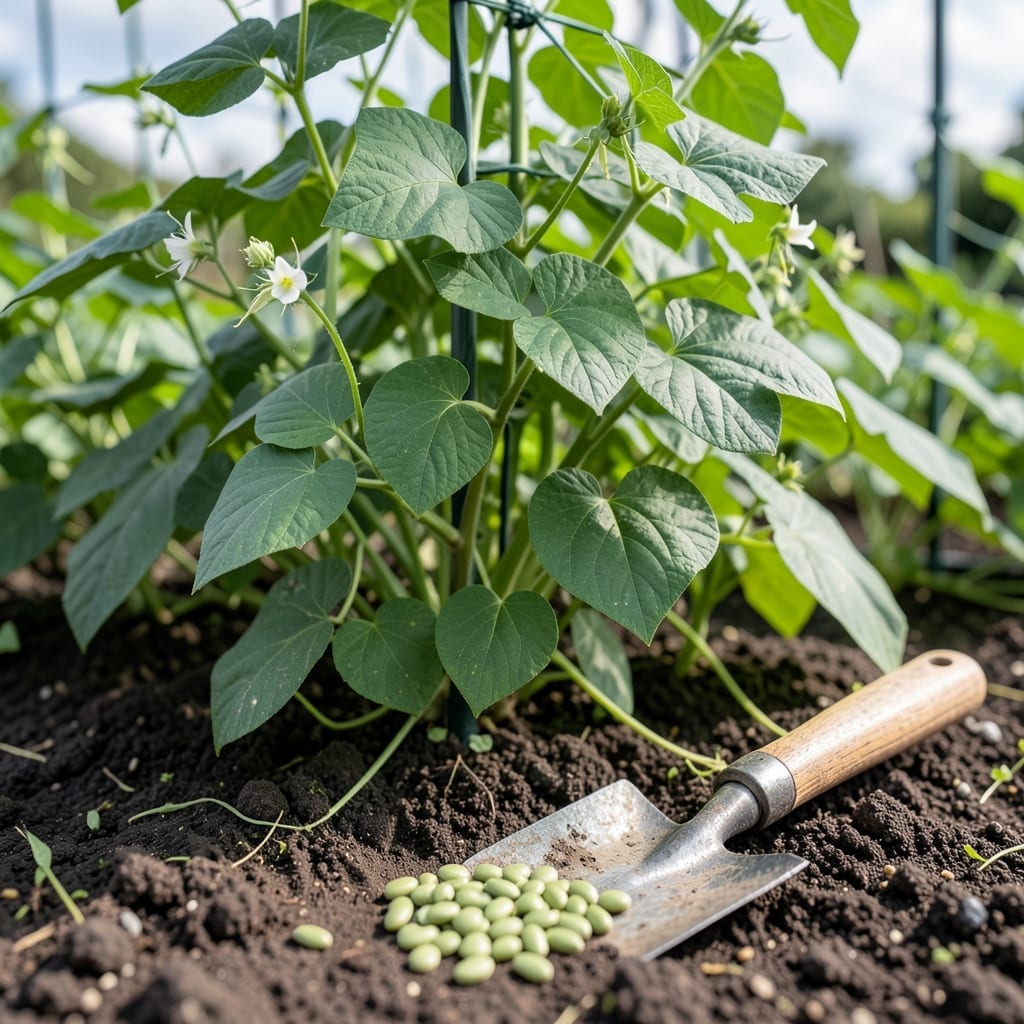
Timing is everything when it comes to planting Beans in North Carolina’s diverse climate. Plant too early, and a late frost could ruin your crop. Plant too late, and summer heat may stunt their growth.
I’ve learned that getting the timing right means the difference between a bountiful harvest and a disappointing season. North Carolina’s 7b-8a zones offer a unique window for success.
Whether you’re a seasoned gardener or just starting out, knowing when to plant ensures your 🌱 Beans thrive. The good news? It’s simpler than you think.
Discover the perfect planting windows and tips to maximize your yield this season.
North Carolina’s diverse climate means bean planting times vary by region. The Coastal Plains warm up first, while the Mountains stay cooler longer. I always check soil temperature before planting—60°F is the magic number for beans.
In the Piedmont region, I aim for mid-April to early June for the first planting. The Coastal area can start 2-3 weeks earlier, while the Mountains often need to wait until late April or May.
| Region | Bush Beans | Pole Beans | Lima Beans |
|---|---|---|---|
| Coastal | March 15 – May 15 | March 15 – June 1 | April 1 – May 15 |
| Piedmont | April 1 – June 1 | April 15 – June 1 | April 15 – May 30 |
| Mountains | April 15 – May 30 | May 1 – June 1 | May 1 – June 1 |
For a fall harvest, I plant bush beans in late July to early August across all regions. Pole beans need a bit more time, so I start them in mid-July for fall crops.
Lima beans are more heat-tolerant, so I can push them into late August in the Coastal Plains. In the Mountains, I stop planting limas by July 15 to avoid early frosts.
I always use a soil thermometer to confirm temperatures. If the soil is below 55°F, I wait—beans won’t germinate well. A black plastic mulch can help warm the soil faster in spring.
For successive plantings, I stagger sowing every 2-3 weeks until mid-summer. This ensures a continuous harvest rather than one big flush of beans all at once.
In the Piedmont, I’ve found that Blue Lake bush beans do exceptionally well when planted in early May. They’re disease-resistant and produce heavily in our climate.
Remember that microclimates matter. A south-facing slope warms up faster than a north-facing one. I adjust my planting dates based on my garden’s specific conditions.
Finally, I always mark my last frost date—typically April 15 for most of NC. I never plant beans before this date without frost protection, as they’re very frost-sensitive.
With these region-specific timings, I maximize my bean harvests every year. 🌱
I’ve found that staggered planting is the secret to enjoying fresh beans all season long. By sowing new seeds every 2-3 weeks, you can avoid the feast-or-famine cycle that many gardeners face.
North Carolina’s long growing season is perfect for this approach. Start your first batch after the last frost date, then keep planting until late summer for a steady supply.
Watch for overcrowding as your plants mature. Thin seedlings to 4-6 inches apart for bush beans and 6-8 inches for pole varieties. This gives each plant enough space to thrive.
Water consistently, especially during germination. Beans need 1-2 inches of water per week, and drought can cause blossoms to drop. I use a soaker hose to keep the soil evenly moist without wetting the foliage.
With this approach, you’ll enjoy fresh beans from early summer through fall. It’s a simple technique that makes a big difference in your garden’s productivity 🌱