
Beautiful Plants For Your Interior
Beautiful Plants For Your Interior
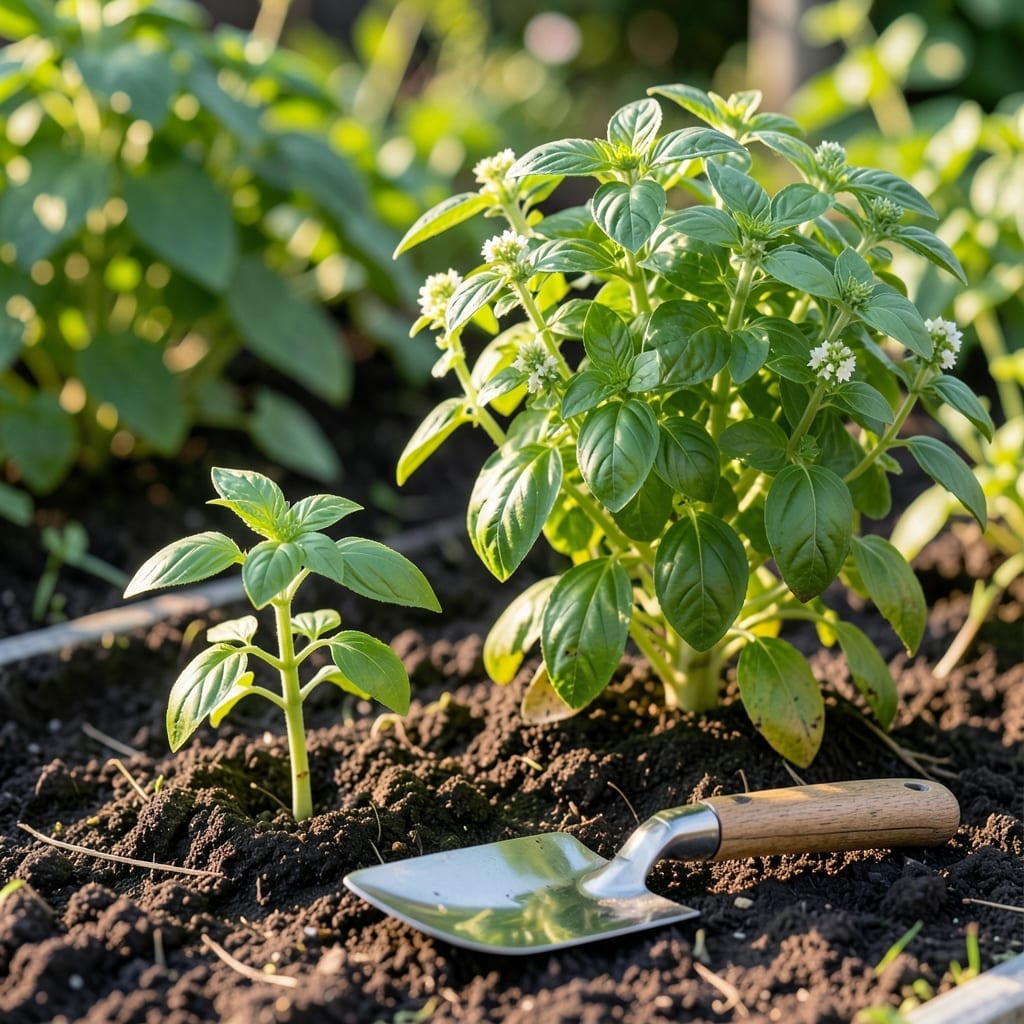
Growing 🌿 Basil in Seattle’s unique climate can be incredibly rewarding if you time it right. The city’s cool springs and mild summers create a perfect window for planting this aromatic herb.
I’ve learned that getting the timing wrong can mean stunted growth or poor flavor. Seattle’s Zone 8b gives us a 180-day growing season, but Basil needs warm soil to thrive.
Whether you’re starting seeds indoors or transplanting outdoors, knowing the right moment to plant is the key. The difference between a struggling plant and a lush harvest often comes down to just a few weeks.
Let me walk you through how to make the most of Seattle’s growing conditions for faster, more flavorful Basil. Your summer pesto depends on it.
Seattle’s USDA Zone 8b climate offers a unique window for basil planting. The city’s cool, wet springs mean you’ll need to wait until soil temperatures consistently hit 70°F before transplanting outdoors.
I’ve found that late May to early June is the sweet spot for planting basil in Seattle. This timing avoids the risk of late frosts while giving plants enough warmth to thrive before summer.
| Requirement | Specification |
| Last Frost Date | April 15 |
| Ideal Soil Temp | 70°F+ |
| Planting Window | Late May – Early June |
| Sunlight Needs | 6+ hours daily |
| Harvest Time | July – September |
For early starts, I recommend sowing basil seeds indoors about 6-8 weeks before the last frost date. This gives seedlings a head start in Seattle’s shorter growing season.
When transplanting outdoors, choose a south-facing location that gets full sun. Seattle’s urban heat islands can create microclimates perfect for basil, especially in sheltered spots.
Container gardening works exceptionally well in Seattle. Use well-draining pots and place them where they’ll get maximum sunlight. This also allows you to move plants if unexpected cold snaps occur.
Remember that Seattle’s rainy climate can lead to overwatering issues. Ensure your basil has good drainage and avoid watering when rain is in the forecast.
For the best flavor, pinch off flower buds as they appear. This encourages the plant to focus on leaf production rather than seeding, giving you more of that aromatic foliage.
If you’re eager to start earlier, consider using cold frames or row covers to protect young plants from chilly spring nights. These can extend your growing season by several weeks.
Finally, don’t forget that Seattle’s mild falls can allow for a second basil crop if you plant in late summer. Just be sure to harvest before the first frost in mid-October
I’ve had great success with Genovese basil in Seattle’s climate, but Sweet Thai and Spicy Globe varieties also perform well in our cooler summers
Seattle’s cool springs and mild falls offer opportunities to stretch your basil growing season. With some simple techniques, you can enjoy fresh leaves from early summer through autumn.
I’ve found that starting seeds indoors in early April gives plants a head start. Use a sunny windowsill or grow lights to nurture seedlings until outdoor conditions are right.
🌱 Pro Season Extension Tips:
For early outdoor planting, cold frames are game-changers. They trap heat and protect young plants from unexpected spring chills that Seattle often brings.
Container gardening is another great strategy. I move my potted basil to follow the sun and bring them indoors during cold snaps. This flexibility helps maximize growth.
A second planting in late July can yield a fall harvest. Seattle’s mild autumns often allow basil to thrive until October’s first frost arrives.
Finally, pinch back flowers regularly to encourage bushier growth and delay bolting, giving you more leaves to enjoy before winter sets in