
Beautiful Plants For Your Interior
Beautiful Plants For Your Interior
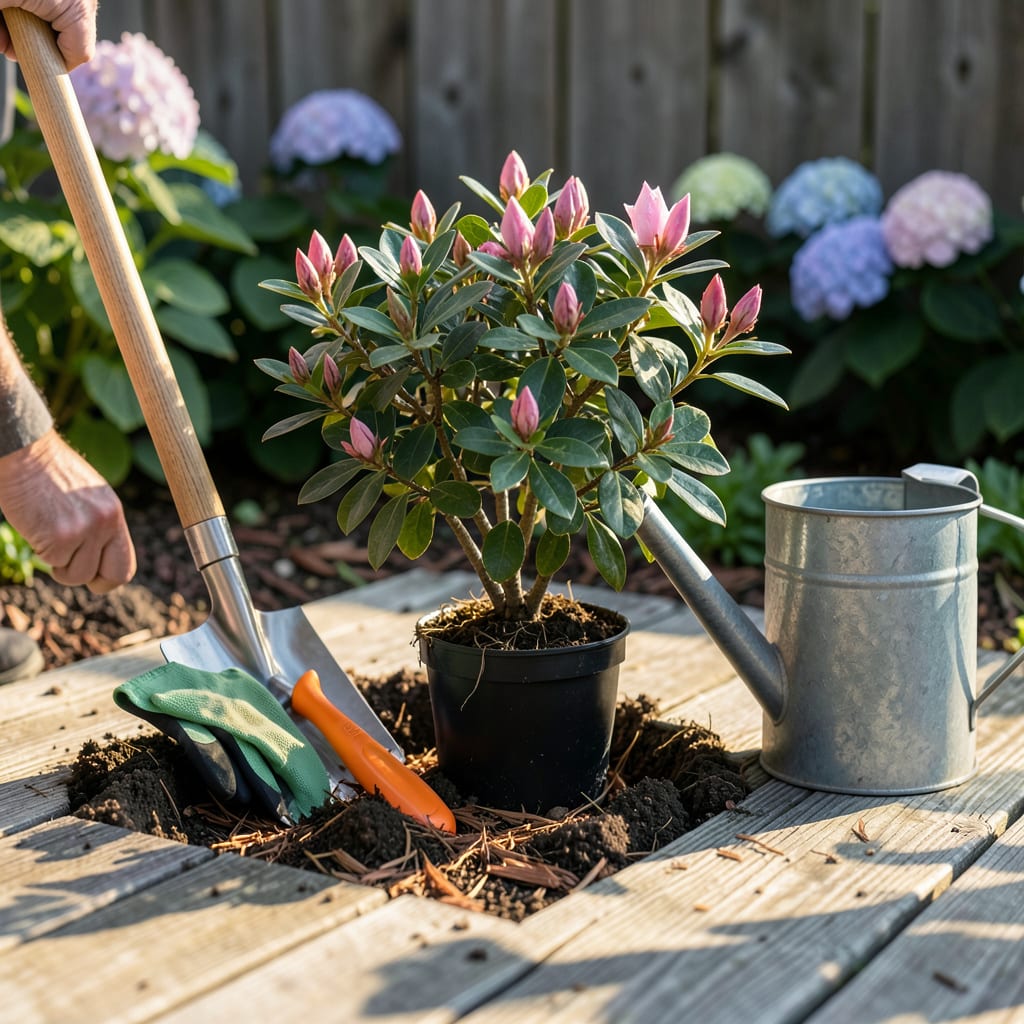
That first burst of 🌸 azalea blooms in spring makes Virginia gardens unforgettable—but timing your planting wrong can leave you with lackluster shrubs. I’ve seen too many gardeners struggle with weak growth or missed flowers simply because they planted at the wrong time.
Whether you’re in the Piedmont’s rolling hills or the Coastal Plain’s milder climate, the rules change. Let me break down the ideal windows for your region, so your azaleas don’t just survive—they thrive with vibrant color year after year.
If you’re planting azaleas in Virginia’s Piedmont, timing can make or break your shrub’s success. This region—home to Richmond, Charlottesville, and Lynchburg—has a USDA Zone 7a-8a climate, where fall and spring planting both work, but with key differences. I’ll break down the best windows for explosive blooms.
Fall planting (September to October) is my top recommendation here. The cooler temps and consistent rainfall help roots establish before winter dormancy. Spring planting (March to May) is doable, but you’ll need to stay on top of watering as summer heat arrives. Let’s dig into the specifics.
| Season | Best Months | Pros | Cons |
|---|---|---|---|
| Fall | September–October | Cooler temps reduce stress; roots grow before winter | Must plant 6+ weeks before first frost |
| Spring | March–May | Warmer soil speeds growth; blooms next season | Requires frequent watering in summer heat |
| Winter | November–February | Dormant planting possible in mild winters | Risk of frost heave and root damage |
Piedmont’s last frost: ~April 15; first frost: ~October 15
For elevated areas like the Blue Ridge foothills, adjust your timeline. Higher elevations (above 1,000 ft) often see later last frosts—wait until late April for spring planting. Urban gardens in Richmond may have warmer microclimates, allowing earlier spring or later fall planting.
Soil prep is critical in the Piedmont’s clay-heavy soils. I recommend amending with pine bark fines or composted leaf mold to improve drainage and acidity. Test your soil pH—azaleas thrive in 4.5–6.0 range. If it’s too alkaline, mix in elemental sulfur before planting.
Watering newly planted azaleas is non-negotiable. In fall, deep water weekly until the ground freezes. For spring plantings, increase to 2–3 times weekly as temperatures rise. Mulch with 2–3 inches of pine straw to retain moisture and regulate soil temperature.
Companion planting can boost your azaleas’ health. Pair them with rhododendrons, mountain laurel, or ferns—all thrive in similar acidic, partially shaded conditions. Avoid planting near black walnut trees, whose roots release juglone, a toxin to azaleas.
Watch for common Piedmont pests like lace bugs and spider mites. These thrive in hot, dry summers. I spray neem oil preventatively in early June and repeat every 2–3 weeks if needed. Yellowing leaves often signal chlorosis (iron deficiency)—treat with chelated iron.
If you’re planting in containers, the rules shift slightly. Fall is still ideal, but you can plant year-round if you protect roots from extreme temps. Use a well-draining acidic potting mix and water when the top inch of soil feels dry. Move pots to partial shade by summer to prevent scorching.
Finally, resist the urge to fertilize at planting time. Wait until next spring to apply a slow-release acid-loving plant food. Over-fertilizing young azaleas can burn roots and stunt growth. Instead, focus on consistent moisture and mulching for the first year.
By following these Piedmont-specific tips, your azaleas will reward you with vibrant spring blooms for decades. Ready to dig in? Grab your shovel and pick a cool, overcast day—your azaleas will thank you! 🌸
Planting azaleas in Coastal Virginia means working with the Atlantic’s moderating influence. Areas like Norfolk, Virginia Beach, and Chesapeake enjoy milder winters and warmer falls than the Piedmont, which shifts the ideal planting windows. Here’s how to leverage the USDA Zone 8a climate for stunning blooms.
The fall window (October–November) is your best bet along the coast. Warmer soils and later first frosts (often not until December) give roots extra time to establish. Spring planting (February–April) works too, but you’ll battle sandy soils that dry out fast. Let’s compare the key differences.
| Region | Best Fall Months | Best Spring Months | Soil Challenge | Solution |
|---|---|---|---|---|
| Tidewater | Oct–Nov | Feb–Mar | Fast-draining sandy soil | Amend with peat moss + compost |
| Eastern Shore | Oct–Dec | Mar–Apr | Salt spray exposure | Plant sheltered areas; rinse foliage |
| Urban Coastal | Nov–Dec | Jan–Feb | Compacted soils | Loosen soil; add pine bark fines |
Coastal last frost: ~March 15; first frost: ~November 15
For sandy coastal soils, I mix in 50% peat moss and 30% compost to improve moisture retention and acidity. Test your pH—azaleas need 4.5–6.0. If your soil is too alkaline, work in cottonseed meal or sulfur before planting.
Watering is critical in fast-draining coastal soils. After planting, deep water 2–3 times weekly for the first month, then taper to weekly. Mulch with 3 inches of pine straw to conserve moisture and suppress weeds. Avoid hardwood mulches, which can raise soil pH over time.
Salt spray is a hidden threat near the coast. If you’re within 5 miles of the ocean, plant azaleas on the leeward side of buildings or fences. Rinse foliage with fresh water after storms to remove salt residue. Varieties like ‘Gumpo’ or ‘Hino-Crimson’ tolerate salt better than others.
Companion plants can help shield azaleas from wind and salt. Try pairing with wax myrtle, inkberry holly, or yaupon holly—all salt-tolerant and thriving in similar conditions. Avoid planting near beach grass, which competes aggressively for water.
By adjusting your timing and soil prep for Coastal Virginia’s unique conditions, you’ll set your azaleas up for decades of vibrant blooms. Grab your gardening gloves and take advantage of that extended fall planting window! 🌊
Even with perfect timing, small errors can doom your Virginia azaleas before they bloom. I’ve seen gardeners lose plants to three preventable mistakes—planting too deep, ignoring soil pH, and misjudging sun exposure. Let’s fix these before you dig.
The #1 killer of young azaleas? Burying them like tomatoes. Their root balls must sit 1–2 inches above soil level to prevent rot. Dig your hole shallow and wide—twice as wide as the root ball but no deeper. Backfill with native soil, not just compost.
Problem: Planting too deep suffocates roots. Fix: Keep root ball 1–2″ above soil; mound soil gently over top.
Problem: Virginia’s clay/loam often tests pH 6.5+. Fix: Mix elemental sulfur (1 lb/100 sqft) or cottonseed meal into soil pre-planting.
Problem: Afternoon sun scorch. Fix: Site plants where they get morning sun + dappled afternoon shade (east-facing beds ideal).
Virginia’s natural soil pH often hovers near neutral (7.0), but azaleas demand acidic conditions (4.5–6.0). Test your soil with a $10 probe from your local extension office. If pH is too high, amend with pine fines or sulfur 3 months before planting.
Sun exposure mistakes show up fast. Azaleas in full sun develop crispy leaf edges by July, while those in deep shade grow leggy with few blooms. Aim for 4–6 hours of morning light—think east-facing foundations or under tall pines. In urban areas, watch for heat islands near pavement.
Watering errors compound these problems. New plantings need 1–2 gallons weekly (more in sandy Coastal soils). Use the finger test: if the top 2 inches are dry, water deeply. Pine straw mulch (3″ layer) helps retain moisture while keeping roots cool. Avoid hardwood chips, which can raise soil pH over time.
By dodging these three pitfalls—proper depth, acidic soil, and gentle sun—you’ll give your azaleas the strongest start. Pair this with your region’s ideal planting window, and you’re guaranteed vibrant blooms for years. Now grab that shovel (and a pH test kit)! ✂️
Fall is ideal for most of Virginia, especially the Piedmont. The cooler temperatures and consistent rainfall help roots establish before winter. Spring works too, but requires more frequent watering as summer approaches.
Coastal Virginia (Zone 8a) has a longer fall window—plant through November. The milder winters and later frosts give roots extra time to grow. Spring planting can start as early as February in protected areas.
Planting too deep! Azalea root balls should sit 1–2 inches above soil level to prevent rot. Dig holes wide but shallow, and backfill with native soil—not just compost.
Yes, but protect roots from extremes. Fall is still best, but containers allow flexibility. Use acidic potting mix and water when the top inch of soil feels dry. Move pots to partial shade by summer.
Amend with pine bark fines or composted leaf mold to improve drainage. Test soil pH—azaleas need 4.5–6.0. If too alkaline, mix in elemental sulfur before planting.
