
Beautiful Plants For Your Interior
Beautiful Plants For Your Interior
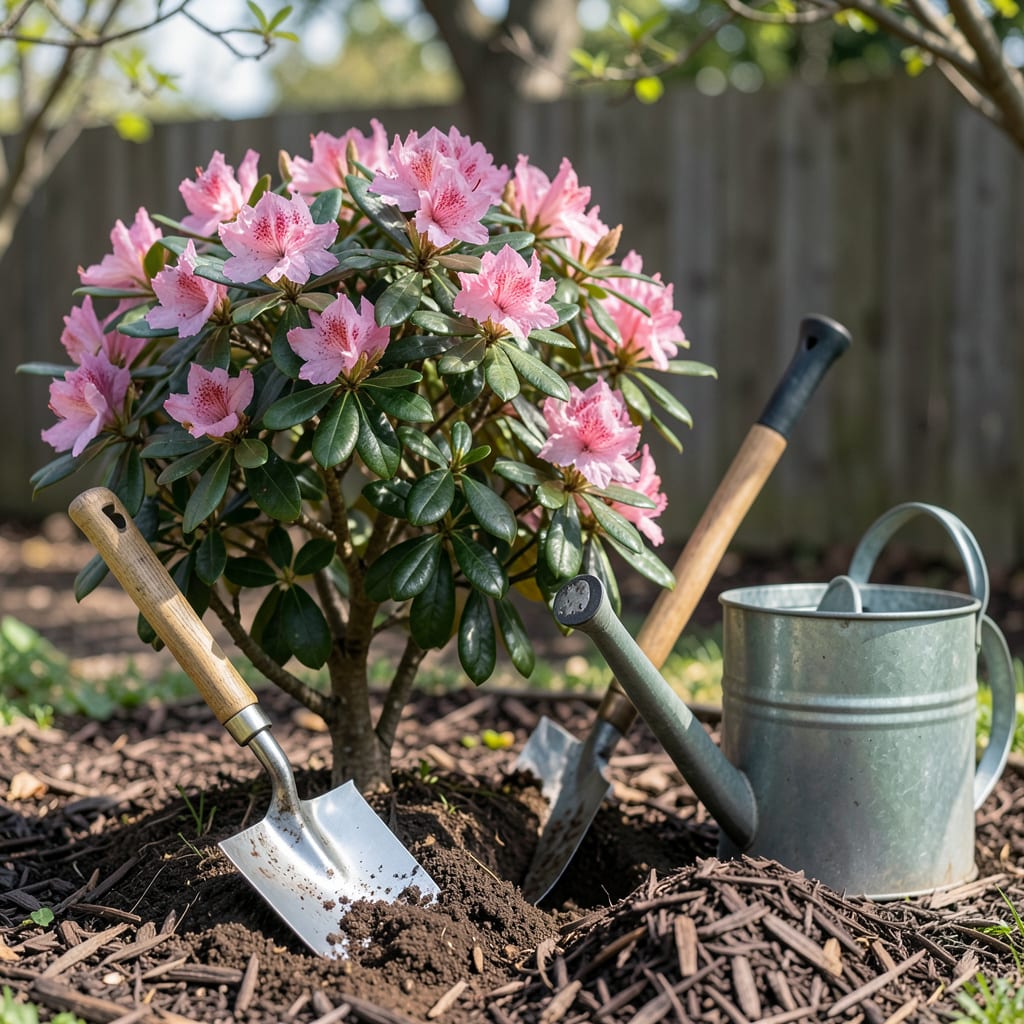
That first burst of 🌸 azalea blooms in spring makes all the effort worthwhile—but get the timing wrong in North Carolina, and you might end up with lackluster growth or no flowers at all. Our state’s diverse climate zones mean what works in the Mountains won’t always fly in the Coastal Plain.
After years of testing (and a few failed attempts), I’ve nailed down the perfect windows for planting azaleas here. Whether you’re in Raleigh’s Piedmont heat or Asheville’s cooler elevations, I’ll show you exactly when to dig in for thriving shrubs and show-stopping color. Let’s get it right the first time.
North Carolina’s three climate zones—Coastal Plain, Piedmont, and Mountains—each demand different planting strategies. The Coastal region enjoys milder winters, while the Mountains face earlier frosts. Timing your azalea planting around these differences ensures strong root development before winter.
For most gardeners, fall planting (September to November) is ideal, giving roots time to establish before spring blooms. However, spring planting can work in the Mountains if you act early. Let’s break down the specifics by region so you don’t miss your window.
| Region | Ideal Fall Planting | Spring Option | Key Consideration |
|---|---|---|---|
| Coastal Plain | Oct–Nov | Feb–Mar | Avoid hurricane season (Sept) |
| Piedmont | Sept–Oct | Mar–early Apr | Watch for late frosts in spring |
| Mountains | Aug–Sept | Apr (early!) | Elevation shortens fall window |
Soil temp should be 60°F+ for fall planting; 50°F+ for spring.
In the Coastal Plain, aim for October to November planting. The warmer soil and longer fall season give roots extra time to establish. Avoid September—hurricane season can drown new plants. If you miss fall, February to March works, but water deeply during dry springs.
The Piedmont’s clay-heavy soil benefits from September to October fall planting. I’ve found azaleas planted here in early fall develop 20% stronger root systems by spring. For spring planting, stick to March through early April—late frosts can damage tender new growth.
Mountain gardeners face the shortest fall window (August to September) due to early frosts. If you’re above 3,000 feet, spring planting in April is safer. Test your soil—it should be workable but not soggy when planting. A quick squeeze test helps: if it crumbles, you’re good to go.
No matter your region, avoid planting during summer heat or when soil is frozen. Azaleas need consistent moisture after planting, so plan for 1 inch of water weekly (rain or irrigation) for the first month. Mulch with 2–3 inches of pine straw to retain moisture and regulate soil temp.
Watch the first frost date in your area—azaleas need 4–6 weeks of growing time before frost. In Raleigh (Piedmont), that’s typically by November 15; in Boone (Mountains), it’s October 15. Use a soil thermometer to confirm temps are above 60°F for fall planting success.
If you’re planting container-grown azaleas, you’ve got more flexibility—they can go in the ground anytime except winter if you water diligently. Bare-root plants, however, must be planted in early fall or late winter while dormant. Soak roots for 2 hours before planting to reduce transplant shock.
Pro tip: Pair your planting with a soil pH test. Azaleas thrive in acidic soil (pH 4.5–6.0). If your soil is alkaline (common in the Piedmont), amend with sulfur or peat moss at planting time. I’ve seen yellowing leaves disappear overnight after adjusting pH—it’s that critical for vibrant blooms.
Finally, mark your calendar for next year’s blooms! Azaleas planted in fall often bloom more prolifically the following spring because their energy goes to roots, not flowers. Spring-planted azaleas may take a year to hit their stride, but with proper care, they’ll catch up by year two.
🌸North Carolina’s three distinct regions—Coastal Plain, Piedmont, and Mountains—each have unique microclimates that shift planting windows. In the Coastal Plain, mild winters allow for a longer fall planting season, while the Mountains’ earlier frosts demand precise timing.
For most gardeners, fall planting (October-November) is ideal because it gives roots time to establish before winter dormancy. But if you miss that window, early spring (March-April) works too—just avoid late frosts in higher elevations.
| Region | Best Fall Window | Best Spring Window | Notes |
|---|---|---|---|
| Coastal Plain | Oct 15–Nov 30 | Mar 15–Apr 15 | Avoid hurricane season (Sept). |
| Piedmont | Oct 1–Nov 15 | Mar 20–Apr 10 | Watch for late frosts in April. |
| Mountains | Sep 15–Oct 30 | Apr 1–Apr 20 | Earlier frosts shorten fall window. |
In the Piedmont, where I garden, I aim for mid-October plantings. The soil stays warm enough for root growth but cool enough to reduce transplant shock. If you’re in the Mountains, shift your timeline 2-3 weeks earlier to beat the first frost.
Spring planting requires extra care—soil temps must hit 60°F before planting, or roots struggle to establish. Use a soil thermometer to check! In the Coastal Plain, sandy soils warm faster, so you can plant slightly earlier than clay-heavy Piedmont areas.
Pro tip: Native azaleas like Flame Azalea handle NC’s climate swings better than hybrids. If you’re planting in fall, water deeply until the ground freezes to prevent winter desiccation. Spring plantings need consistent moisture their first summer.
No matter your region, avoid planting during summer heat—azaleas hate stressed roots. If you must plant in summer, choose a shady spot, keep soil moist, and mulch heavily to retain coolness. But honestly? Wait for fall—it’s worth it.
For the best blooms, pair your timing with acidic soil prep (pH 4.5–6.0) and partial shade. Test your soil in late summer so you’re ready to plant when the calendar says go. Trust me, your azaleas will thank you with explosive color come spring! 🌸
Not all azaleas thrive equally across North Carolina’s diverse climate. Native varieties like Flame Azalea and Piedmont Azalea handle our state’s swings better than hybrids, but newer cultivars offer extended bloom times. Choosing the right type for your region ensures easier care and better blooms.
For the Coastal Plain, drought-tolerant hybrids like Encore® Azaleas perform well in sandy soils. In the Mountains, cold-hardy natives such as Rhododendron canescens survive late frosts. Let’s compare the best options for your NC garden.
| Variety | Best For | Planting Time | Bloom Time | Special Notes |
|---|---|---|---|---|
| Flame Azalea | Mountains, Piedmont | Sept–Oct | April–May | Cold-hardy, fragrant orange blooms |
| Encore® Azalea | Coastal Plain | Oct–Nov | Spring + Fall | Drought-tolerant, re-blooms |
| Formosa Azalea | Piedmont | Sept–Oct | April | Large lavender blooms, needs shade |
All varieties prefer acidic soil (pH 4.5–6.0) and partial shade.
In the Coastal Plain, Encore® Azaleas shine with their reblooming habit and salt tolerance. Plant them in October–November for best results. Their drought resistance makes them perfect for sandy soils near the coast.
The Piedmont’s clay soil suits Formosa Azaleas when planted in September–October. Their large blooms thrive in the region’s partial shade. Just ensure good drainage—amend clay with compost or pine bark to prevent root rot.
For Mountain gardens, Flame Azalea is my top pick. Its cold hardiness (to Zone 5) and early bloom time make it ideal. Plant by late September to avoid frost damage. Pair with pine straw mulch for winter protection.
No matter the variety, fall planting (except in high elevations) gives roots a head start. Spring-planted azaleas may bloom sparsely their first year but catch up by year two. Always test your soil’s pH and drainage before planting—it’s the secret to long-term success.
🌸Fall is ideal for most regions because cooler temps and consistent moisture help roots establish before winter. Spring works too, but requires extra watering and frost protection. Aim for October-November in the Piedmont or September-October in the Mountains.
It’s risky—azaleas hate heat stress during establishment. If you must, choose a shady spot, plant in early morning, and water daily for the first month. Coastal gardeners have slightly more flexibility than inland areas.
Test your soil’s pH—azaleas need acidic conditions (4.5–6.0). The squeeze test works too: if soil crumbles when dry but holds shape when moist, it’s perfect. Amend clay-heavy Piedmont soil with compost or pine bark for better drainage.
Planting too deep! Azalea roots need oxygen—bury the root ball 1–2 inches above ground level. Also, skipping mulch is a no-no; use 2–3 inches of pine straw to retain moisture and regulate soil temp.
Yes! Cold-hardy natives like Flame Azalea can go in earlier (September) in the Mountains, while hybrids like Encore® prefer October-November in the Coastal Plain. Always check your variety’s specific needs before planting.
