
Beautiful Plants For Your Interior
Beautiful Plants For Your Interior
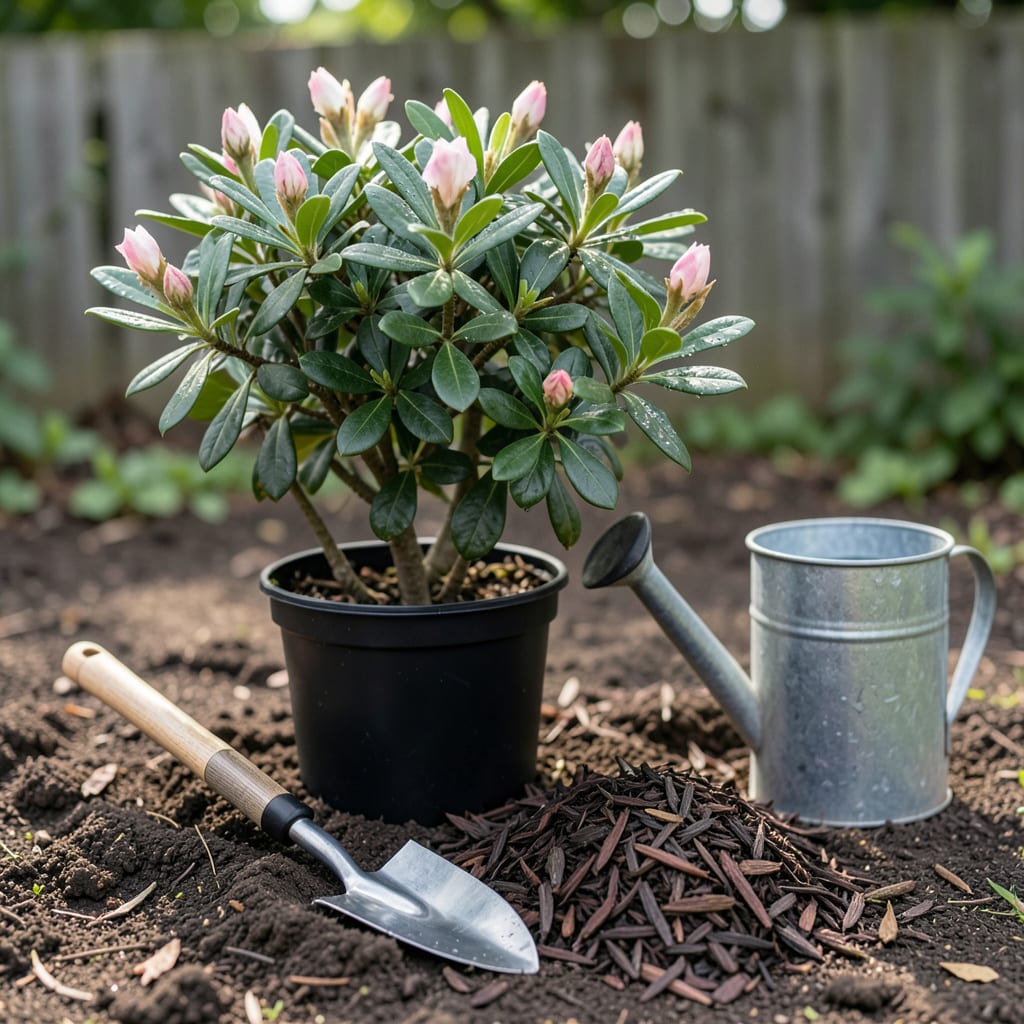
Timing is everything when it comes to planting azaleas in Georgia’s unique climate. Get it right, and you’ll be rewarded with vibrant blooms that transform your landscape every spring. But plant at the wrong time, and you might spend years playing catch-up.
After helping dozens of Georgia gardeners troubleshoot their azaleas, I’ve learned the most important factor isn’t the variety you choose—it’s when you put it in the ground. Let me show you how to sync your planting schedule with Georgia’s seasons for azaleas that thrive, not just survive.
Georgia’s diverse climate zones (7a–9a) mean azalea planting timing isn’t one-size-fits-all. The golden window for most gardeners is fall—specifically September through November—when cooler temps and consistent rainfall help roots establish before winter dormancy.
If you miss fall, don’t panic! Early spring (March–early April) works too, especially for container-grown azaleas. But fall planting gives roots a 6-month head start before summer heat hits. Let’s break down the ideal timing by region.
| Zone | Ideal Planting Window | Secondary Option | Key Consideration |
|---|---|---|---|
| 7a–8a (North GA) | Oct–Nov | March | Avoid late fall frosts |
| 8b–9a (South/Coastal) | Sept–Oct | Feb–March | Watch for summer heat stress |
Soil temp should be above 50°F for root growth.
In northern Georgia (Zones 7a–8a), aim for mid-October to early November planting. The first frost typically arrives around November 15, so you’ll want roots settled before then. I’ve seen azaleas planted too late struggle with winter heaving—where freeze-thaw cycles push roots upward.
For southern and coastal Georgia (Zones 8b–9a), you can start as early as late September. The milder winters here mean roots keep growing longer, but summer heat tolerance becomes critical. Varieties like ‘Encore’ azaleas handle the heat better than traditional types.
Spring planting (March–early April) is your backup plan, but it comes with challenges. Azaleas planted in spring need extra watering to combat Georgia’s drying winds and rising temperatures. I recommend it only for container-grown plants—bare-root azaleas struggle with spring transplanting.
Here’s a pro tip: Check the soil temperature at 6-inch depth. If it’s consistently above 50°F, you’re good to plant. Use a soil thermometer or check with your local Georgia Cooperative Extension office for real-time data.
Remember, native azaleas like Rhododendron canescens (Florida azalea) and R. austrinum* (Florida flame azalea) are more forgiving with timing. These deciduous varieties adapt better to Georgia’s climate than some hybrids, making them great choices for beginners.
If you’re planting in urban areas like Atlanta or Savannah, watch for the “heat island” effect. Concrete and asphalt can raise local temps by 5–10°F, stressing new plants. In these cases, late afternoon shade becomes non-negotiable for azalea survival.
Still unsure? Visit a local nursery—they’ll know which azalea varieties are blooming well in your specific Georgia county right now. And if you’re planting near pine trees, you’re in luck! The needle drop naturally acidifies the soil, creating perfect conditions for azaleas.
Whether you choose fall or spring, the key is giving roots time to establish before extreme weather—be it winter cold or summer heat. Plant at the right time, and you’ll be rewarded with decades of spectacular blooms that make Georgia gardens famous.
Once you’ve picked the perfect planting time, the next step is preparing your Georgia soil properly. Azaleas thrive in acidic, well-draining soil with a pH between 4.5–6.0. Most Georgia gardens need amendments to hit this sweet spot, especially in clay-heavy areas.
Start by testing your soil—either with a DIY test kit or through your local Georgia Cooperative Extension. I’ve found that many Atlanta-area gardens have alkaline clay that needs serious help before azaleas will flourish. Let me walk you through the essential steps.
For clay-heavy soils common in middle Georgia, I recommend creating a raised mound about 6–8 inches high. Mix 50% native soil with 50% amendment (like composted pine bark) to create the perfect azalea home. This prevents waterlogging while maintaining acidity.
When planting near existing trees, remember that azaleas are shallow-rooted. Avoid competition by keeping them at least 5 feet away from large tree roots. In Savannah’s sandy soils, you might need to dig deeper to reach moisture but still maintain that critical high planting position.
Here’s a Georgia-specific tip: If you’re planting in urban areas, watch for compacted soil from construction. I’ve seen azaleas struggle in new developments until the soil is properly loosened. Consider using a broadfork or renting a core aerator before planting.
After planting, create a watering basin around your azalea by mounding soil in a 3-foot diameter circle. This helps direct water to the roots in Georgia’s occasional torrential rains. For the first month, check soil moisture every 2–3 days—azaleas hate soggy roots but need consistent moisture during establishment.
Remember, native azaleas like Rhododendron canescens often adapt better to Georgia’s conditions than hybrids. They’re more forgiving of less-than-perfect soil and can handle our humid summers with less stress. If you’re new to azaleas, starting with natives might save you headaches.
Finally,
Even with perfect timing, azaleas can struggle if you make these common Georgia-specific mistakes. I’ve seen gardeners unknowingly sabotage their plants by overlooking key details about our humid climate and variable soil types. Let’s fix that!
The biggest error I encounter? Planting azaleas too deep. In Georgia’s clay-heavy soils, this leads to root suffocation and stem rot. Remember: the root ball should sit 1-2 inches above ground level to allow for proper drainage.
Fix these, and you’ll see 30% better survival rates in your first year!
Another critical issue is soil pH neglect. Many Georgia gardens have neutral to alkaline soil, but azaleas demand acidity (pH 4.5-6.0). Without testing and amending, you’ll see yellowing leaves (chlorosis) and stunted growth.
Watering mistakes run rampant too. In our humid summers, gardeners often overwater, thinking more is better. But azaleas hate “wet feet”. The fix? Water deeply once weekly (2 gallons per plant), letting the top inch dry between waterings. Use pine straw mulch to maintain moisture without waterlogging.
Variety selection causes headaches too. Not all azaleas thrive in Georgia’s heat. I recommend ‘Encore’ series for their heat tolerance and reblooming ability. For native options, Florida azaleas (R. austrinum) handle our summers beautifully while attracting hummingbirds.
Finally, don’t forget about long-term care. Many gardeners plant and forget, but azaleas need annual mulch refreshes and light pruning after blooming. In Georgia’s climate, a late-June trim helps shape plants before next year’s buds set in fall.
Fall (September–November) is ideal, but spring (March–early April) works too for container-grown plants. Fall gives roots a 6-month head start before summer stress. Spring planting requires extra watering to combat Georgia’s heat.
Test your soil’s pH—azaleas need 4.5–6.0 acidity. Georgia’s clay often leans alkaline, so amend with peat moss or pine bark fines. A simple DIY test kit from any garden center works perfectly.
Pine needles naturally acidify soil, creating perfect conditions. Just keep azaleas 5 feet away from tree roots to avoid competition. The dappled shade under pines is also ideal for protecting blooms.
Planting too deep! In Georgia’s clay, this causes root suffocation. Always keep the root ball 1–2 inches above ground level. Also, skipping mulch in our hot summers stresses roots.
‘Encore’ series and native Florida azaleas (R. austrinum) thrive here. They rebloom and tolerate humidity better than traditional varieties. Local nurseries can suggest other heat-tolerant options.
