
Beautiful Plants For Your Interior
Beautiful Plants For Your Interior
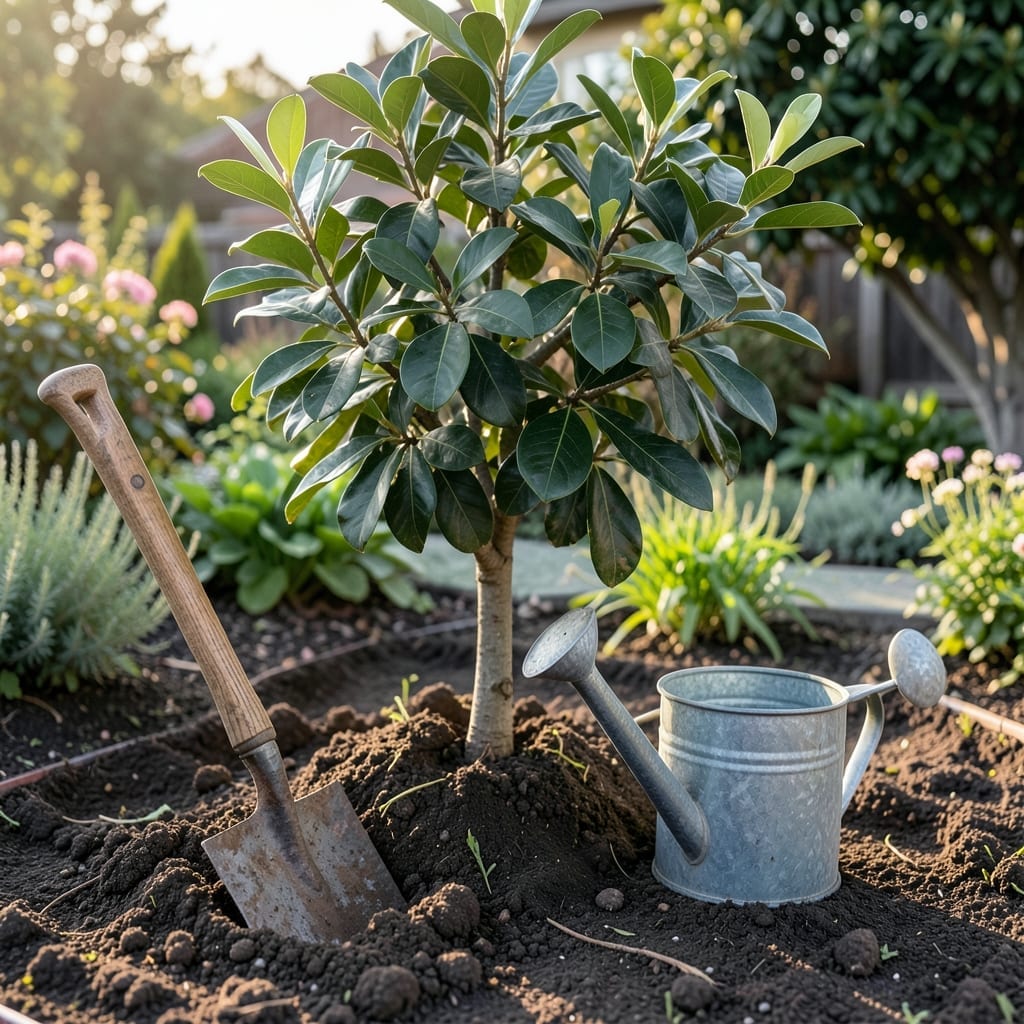
Timing is everything when growing a 🥑 Avocado Tree in Florida. Plant too early, and frost might take your young tree. Plant too late, and summer heat can stress it beyond recovery.
Florida’s zones 9a-11b offer a long growing window, but the sweet spot is narrow. The difference between thriving and struggling often comes down to just a few weeks.
I’ve seen gardeners lose years of growth by missing this window. The good news? With the right timing, your Avocado Tree can establish strong roots before summer’s intensity arrives.
Discover the precise months to plant for healthy growth and abundant harvests. Your future self—and your taste buds—will thank you.
Florida’s diverse climate means the ideal planting window varies by region. In South Florida (Zones 10-11), you can plant year-round, but March to April is optimal for root establishment before summer heat. 🌿
For Central Florida (Zone 9), late February to early April avoids frost risks while giving roots time to settle. North Florida (Zone 8) should stick to March through April to dodge late winter chills. 🌱
| Region | Zone | Best Months | Avoid Months |
|---|---|---|---|
| South Florida | 10-11 | March-April | June-Sept |
| Central Florida | 9 | Feb-April | Dec-Jan |
| North Florida | 8 | March-April | Nov-Feb |
Soil temperature is critical—aim for 70°F or higher at planting depth. Florida’s sandy soil warms quickly, but morning temperatures should consistently stay above 50°F for young trees. ☀️
In coastal areas, salty winds can stress new plantings. I recommend March planting to give trees time to acclimate before hurricane season’s salt spray and storms. 🌬️
For container-grown avocados, you have more flexibility. These can go in 2-3 weeks earlier than bare-root trees since their roots are already established. Just watch for cold snaps in Zone 8. 🪴
Microclimates matter—urban areas and south-facing slopes warm faster. If you’re in a frost pocket, delay planting until mid-April even in Zone 9. Always check your local last frost date. 🌡️
Rainfall patterns also play a role. Florida’s dry season (Nov-Apr) is perfect for planting as it reduces fungal risks. Avoid the rainy season (May-Oct) when waterlogged soil can rot roots. 💧
If you’re in Zone 11 (Keys), you can plant year-round, but March-April still offers the best balance of warm soil and moderate temperatures for root growth. 🌳
Remember, avocado varieties matter too. Cold-hardy types like ‘Mexicola’ can handle Zone 8, while ‘Lamb Hass’ thrives in Zone 10. Match your tree to your zone for best results.
Before planting, check that soil temperatures have reached at least 70°F at a 4-inch depth. Florida’s sandy soil warms quickly, but consistent warmth is key for root growth. 🌡️
Another critical sign is that the last frost date for your area has passed. In Zone 9, this is typically mid-February, while Zone 8 may need to wait until early March. 🌱
For container-grown avocados, you’ll see white roots at the drainage holes—a sign they’re ready. Bare-root trees should have firm, moist roots without rot. ✂️
Florida’s dry season (Nov-Apr) is ideal for planting. The lower humidity reduces fungal disease risks while allowing roots to establish before summer rains. 💧
If you’re unsure, I recommend using a soil thermometer to confirm temperatures. Also, watch for new leaf growth on container trees—this shows they’re actively growing and ready for transplant. 🌿
Finally, ensure your planting site has well-draining soil. Florida’s flat terrain can lead to waterlogging, so mounding the soil slightly helps prevent root rot. 🪴