
Beautiful Plants For Your Interior
Beautiful Plants For Your Interior
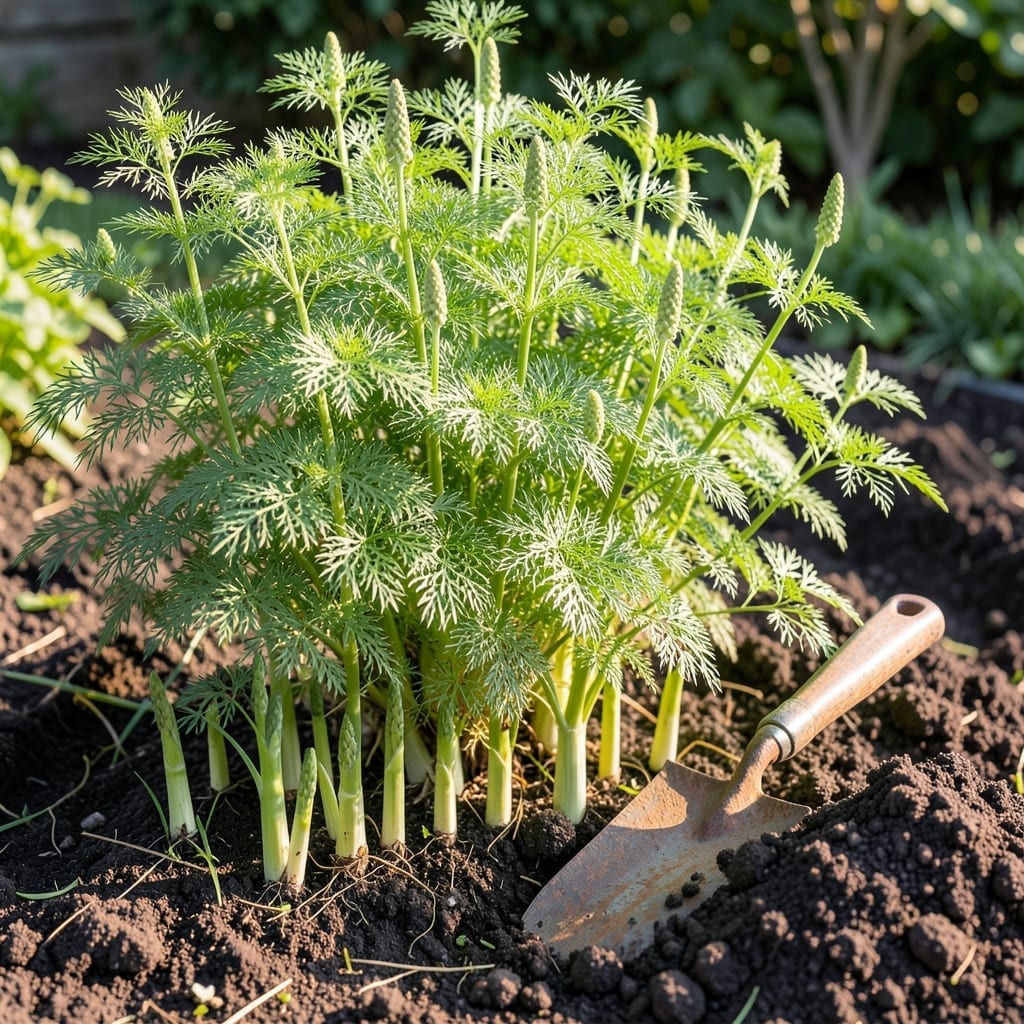
Timing is everything when planting Asparagus in Seattle’s unique Zone 8b climate. Plant too early or too late, and you risk stunted growth or a poor harvest.
Get the season right, and you’ll enjoy fresh, tender spears for years to come. Seattle’s mild winters and wet springs create ideal conditions for crown establishment.
I’ve learned the hard way that patience and precision matter most with this perennial. The spring window is your best opportunity to set up long-term success.
Let me walk you through exactly when and how to plant 🌱 Asparagus in Seattle for a thriving harvest you’ll enjoy for decades.
Seattle’s Zone 8 climate offers a unique advantage for growing asparagus, thanks to its mild winters and cool, wet springs. The key is timing your planting when the soil reaches 50-60°F. This temperature range encourages strong root development without stressing the crowns.
In Seattle, the best planting window is typically March through April, right after the last frost date, which is around April 15. Planting during this period ensures your asparagus crowns establish well before the warmer summer months.
| Requirement | Specification |
| Ideal Months | March, April |
| Soil Temperature | 50-60°F |
| Last Frost Date | April 15 |
| Sunlight Needs | 6-8 hours daily |
| Soil pH | 6.5-7.5 |
Seattle’s cool summers can sometimes delay maturity, so patience is crucial. Asparagus is a perennial crop, meaning it takes 2-3 years to reach full production. Rushing the process by harvesting too soon can weaken the plants and reduce future yields.
For urban gardeners, microclimates can vary significantly. If you’re in a warmer urban area, you might start planting a bit earlier. Conversely, if you’re in a cooler suburban spot, waiting until mid-April ensures the soil is warm enough for optimal growth.
The city’s wet springs can be both a blessing and a challenge. While the moisture helps with initial growth, well-draining soil is essential to prevent waterlogging. I recommend amending your soil with compost or sand to improve drainage before planting.
Another factor to consider is the type of asparagus you’re planting. Jersey Knight and Mary Washington are popular varieties that thrive in Seattle’s climate. Both are disease-resistant and well-suited to the region’s conditions.
If you miss the spring window, don’t worry—you can also plant asparagus in the early fall, around September. This gives the crowns time to establish before the cooler weather sets in. However, spring planting is generally preferred for the best results.
Remember, asparagus is a long-term investment. Once established, a well-maintained asparagus bed can produce spears for 15-20 years. Taking the time to plant at the right time and in the right conditions will pay off with a bountiful harvest for years to come.
Finally, keep an eye on the weather forecast as you plan your planting. A late frost can damage young asparagus spears, so it’s important to ensure that the risk of frost has passed before you start.
With the right timing and care, your Seattle asparagus patch will thrive, providing you with fresh, delicious spears season after season 🌱
Planting asparagus crowns in Seattle requires careful soil prep. I always start by testing my soil pH to ensure it’s between 6.5-7.5. Well-draining soil is critical to prevent root rot in our wet climate. Compost helps improve drainage and fertility. 🌱
Next, I dig 6-8 inch deep trenches for the crowns. Spacing is key—12-18 inches apart ensures each plant has room to thrive. Seattle’s cool summers mean crowns establish slowly, so patience pays off. 🌿
| Task | Specification |
|---|---|
| Soil pH | 6.5-7.5 |
| Trench Depth | 6-8 inches |
| Spacing | 12-18 inches |
| Sunlight | 6-8 hours daily |
After planting, I mulch heavily with straw to retain moisture and suppress weeds. Seattle’s rainy springs can oversaturate soil, so I monitor drainage carefully. A 2-inch mulch layer works wonders for temperature regulation. ✂️
Watering is crucial in the first weeks. I give my asparagus 1-2 inches of water weekly, preferably in the morning. Avoid waterlogging—well-draining soil is non-negotiable here. Drip irrigation helps target roots directly.
I avoid harvesting in the first 2 years to let crowns establish. In Seattle, this patience ensures stronger plants and better yields later. The third year is when I start enjoying those tender spears.
Finally, I mark my asparagus beds to avoid disturbing crowns during other gardening tasks. With proper care, these plants can produce for 15-20 years. That’s a long-term investment worth making! 🌱