
Beautiful Plants For Your Interior
Beautiful Plants For Your Interior
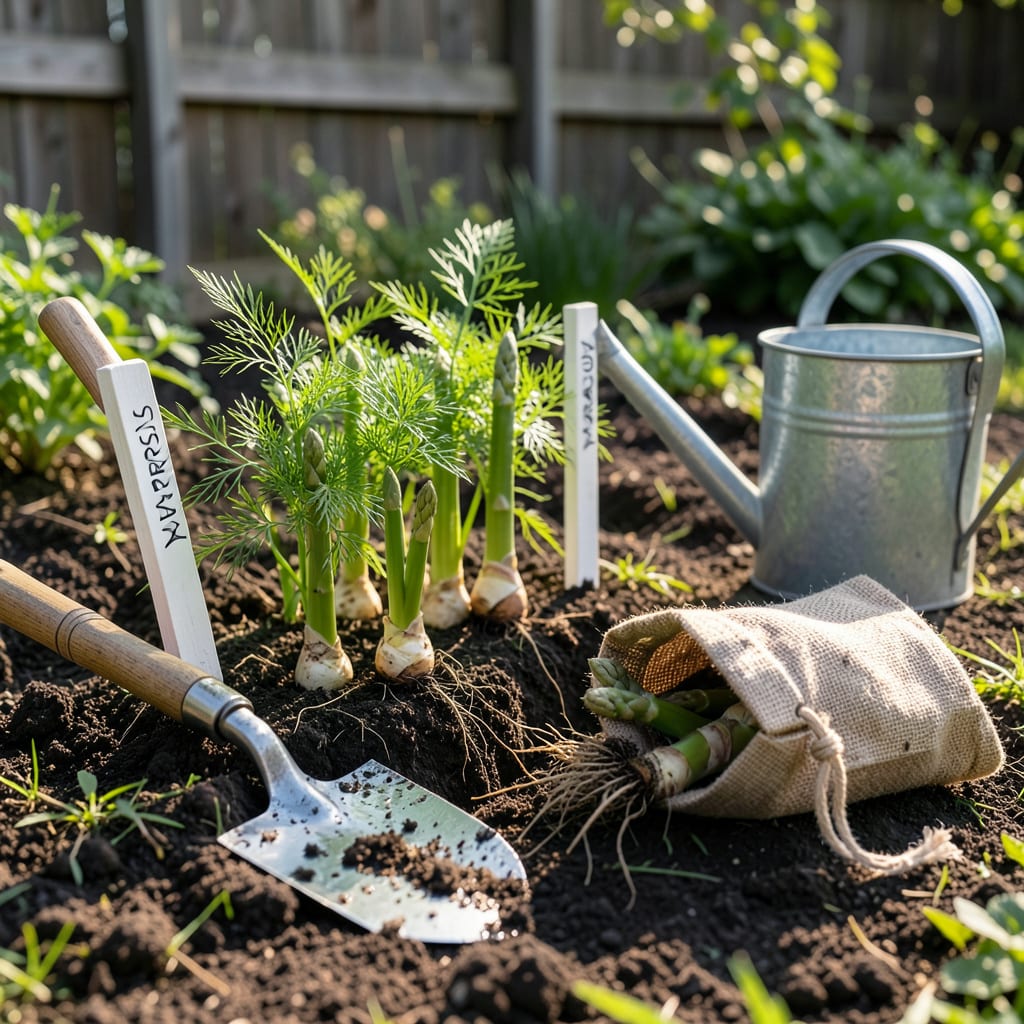
Imagine planting your asparagus beds only to watch them struggle year after year. The difference between a thriving harvest and a disappointing patch often comes down to one critical factor: timing. In Ohio’s unpredictable springs, missing that perfect window can set you back for seasons.
I’ve seen gardeners make this mistake—planting too early in cold soil or waiting too late when summer heat arrives. But here’s the good news: with the right approach, your 🌱 asparagus can flourish for decades. Let’s break down exactly when and how to get it right, so you’re harvesting spears by June or July.
Ohio’s USDA Hardiness Zones 5-6 create a unique challenge for asparagus planting. The key is timing your planting when soil temperatures hit 50°F—usually between March and April. But Ohio’s weather isn’t uniform, so your location matters.
In Northern Ohio, where springs are cooler, aim for late April after the last frost (around April 30). Southern Ohio gardeners can start as early as mid-March, thanks to warmer soil. Either way, avoid planting in waterlogged soil—Ohio’s spring rains can drown young crowns.
If you’re planting asparagus crowns (the most common method), focus on that 50°F soil threshold. Use a soil thermometer to check—don’t guess! For seeds, start indoors 10-12 weeks before transplanting, but remember: seed-grown asparagus takes an extra year to establish.
Ohio’s clay-heavy soil can be a challenge. I recommend amending your bed with compost or sand to improve drainage. Asparagus hates “wet feet,” especially in Ohio’s rainy springs. Raise beds 6-8 inches if your soil stays soggy after storms.
Watch the 10-day forecast before planting. If nighttime temps will dip below 40°F, hold off. Young asparagus crowns can survive light frosts, but prolonged cold stunts growth. In Ohio, late frosts (even in May!) aren’t uncommon, so keep row covers handy.
For fall planting (less common but possible), aim for September. This gives crowns time to root before winter but avoids the risk of early sprouting. I’ve found fall-planted asparagus in Ohio often establishes faster the next spring, as roots develop without top growth demands.
Remember: asparagus is a long-term investment. That first year, resist harvesting—let plants build energy. By year three, you’ll enjoy 4-6 weeks of harvests each spring. Ohio’s climate is perfect for varieties like ‘Jersey Giant’ or ‘Purple Passion’, which thrive in our zones.
Pro tip: Mark your calendar for soil prep in late winter. Test pH (aim for 6.5-7.0) and work in aged manure or bone meal for phosphorus. Ohio’s native soil often leans acidic, so lime may be needed. A little prep now means 20+ years of harvests later!
Still unsure? Grab a soil thermometer (under $10 at garden centers) and track temps yourself. When your bed hits 50°F at 6-inch depth, it’s go time. That’s how I’ve helped dozens of Ohio gardeners nail their planting window—no more guessing games!
Once planted, mulch with straw or shredded leaves to protect against Ohio’s temperature swings. This keeps soil warm in cool snaps and cool in sudden heatwaves. Your future self will thank you when those first spears push through next spring!
Now that you know when to plant, let’s focus on the how. Ohio’s clay-rich soil and unpredictable weather demand extra care. I’ve found that asparagus crowns (1-year-old roots) give the fastest results—unlike seeds, which add a year to your wait.
Start by choosing a full-sun location (6+ hours daily) with well-draining soil. In Ohio, this often means amending native soil with compost or sand to prevent waterlogging. Test your pH—6.5–7.0 is ideal. If it’s acidic (common in Ohio), add garden lime a month before planting.
In Ohio, trench planting works better than holes because it allows for gradual soil filling as spears emerge. This method prevents crown rot in our wet springs. If your soil is heavy clay, consider raised beds (8–12 inches tall) to improve drainage.
After planting, monitor for weeds—they compete with young asparagus. I use a thick mulch layer (3–4 inches) to suppress weeds and keep soil temps steady. Ohio’s temperature swings can stress new plants, so mulch acts like insulation.
By year two, you might see a few spears, but resist harvesting. Let the plant establish a strong root system. In year three, you can finally enjoy a 4–6 week harvest! Ohio gardeners often get their first real harvest in June, with spears emerging earlier in southern regions.
For long-term success, fertilize lightly in early spring with a 10-10-10 balanced fertilizer. Avoid high-nitrogen feeds—they promote leafy growth over spears. In Ohio, I recommend a soil test every 3 years to adjust pH and nutrients as needed.
Remember, asparagus is a 20-year crop if planted correctly. That initial effort in Ohio’s finicky spring pays off for decades. Mark your calendar for annual bed maintenance in early spring: remove old ferns, add compost, and check for pests like asparagus beetles.
Still nervous? Join a local Ohio gardening group—they’re goldmines for regional tips. I’ve seen gardeners swap stories about their first harvest like it’s a rite of passage. With this method, you’ll be sharing your success (and spears!) in no time 🌱.
Even with perfect timing, a few common mistakes can ruin your Ohio asparagus patch before it starts. I’ve seen gardeners make these errors, then wonder why their spears never appear. The biggest culprit? Harvesting too soon. Asparagus needs 2-3 years to establish—pick early, and you’ll weaken the plant for decades.
Another Ohio-specific issue is poor drainage. Our clay-heavy soil holds water, drowning crowns during spring rains. If your bed stays soggy after storms, raise it 8-12 inches or add sand. Trust me—rotten crowns won’t produce spears! Also, avoid planting in low-lying areas where cold air pools, delaying spring growth.
Weed control is critical in Ohio’s humid climate. Asparagus can’t compete with aggressive weeds like quackgrass or bindweed. I use cardboard mulch topped with straw to block weeds while keeping soil loose. Reapply mulch annually—it decomposes fast in our wet springs.
Watch for asparagus beetles, Ohio’s top pest. Their larvae chew spears, stunting growth. Handpick adults in early morning when they’re sluggish, or spray neem oil at first sight. Rotate crops if beetles persist—though with asparagus’s longevity, companion planting (like tomatoes or parsley) works better.
Finally, don’t neglect winter care. After frost kills ferns, cut them back but leave 2 inches of stem to mark crowns. Add a thick mulch layer (4-6 inches) to protect against Ohio’s freeze-thaw cycles. Come spring, rake back mulch gradually as soil warms to avoid smothering new spears.
Remember: asparagus is a marathon, not a sprint. The patience you show now pays off in 20+ years of harvests. I’ve seen Ohio gardeners give up after year two, not realizing their best spears were just a season away. Stick with it—your future self will thank you when those first thick, tender spears emerge! 🌱
Wait until soil reaches 50°F at a 6-inch depth. In Ohio, this typically happens between mid-March and late April, depending on your region. Use a soil thermometer for accuracy—don’t rely on air temperature alone!
Yes! September is ideal for fall planting in Ohio. This gives crowns time to establish roots before winter dormancy. Fall-planted asparagus often outperforms spring plantings the following year because roots develop without top growth demands.
Dig trenches 6–8 inches deep and 12 inches wide. In heavy clay, consider raised beds (8–12 inches tall) to improve drainage. Cover crowns with just 2 inches of soil initially, then fill the trench gradually as spears grow.
Common culprits in Ohio: harvesting too early, poor drainage, or weed competition. Asparagus needs 3 years to mature—resist cutting spears before then. Test soil pH (aim for 6.5–7.0); Ohio’s acidic soil may need lime.
Use straw or shredded leaves (3–4 inches thick). This insulates soil against Ohio’s temperature swings, retains moisture during dry spells, and suppresses weeds. Avoid wood chips—they take too long to break down and can tie up nitrogen.
