
Beautiful Plants For Your Interior
Beautiful Plants For Your Interior
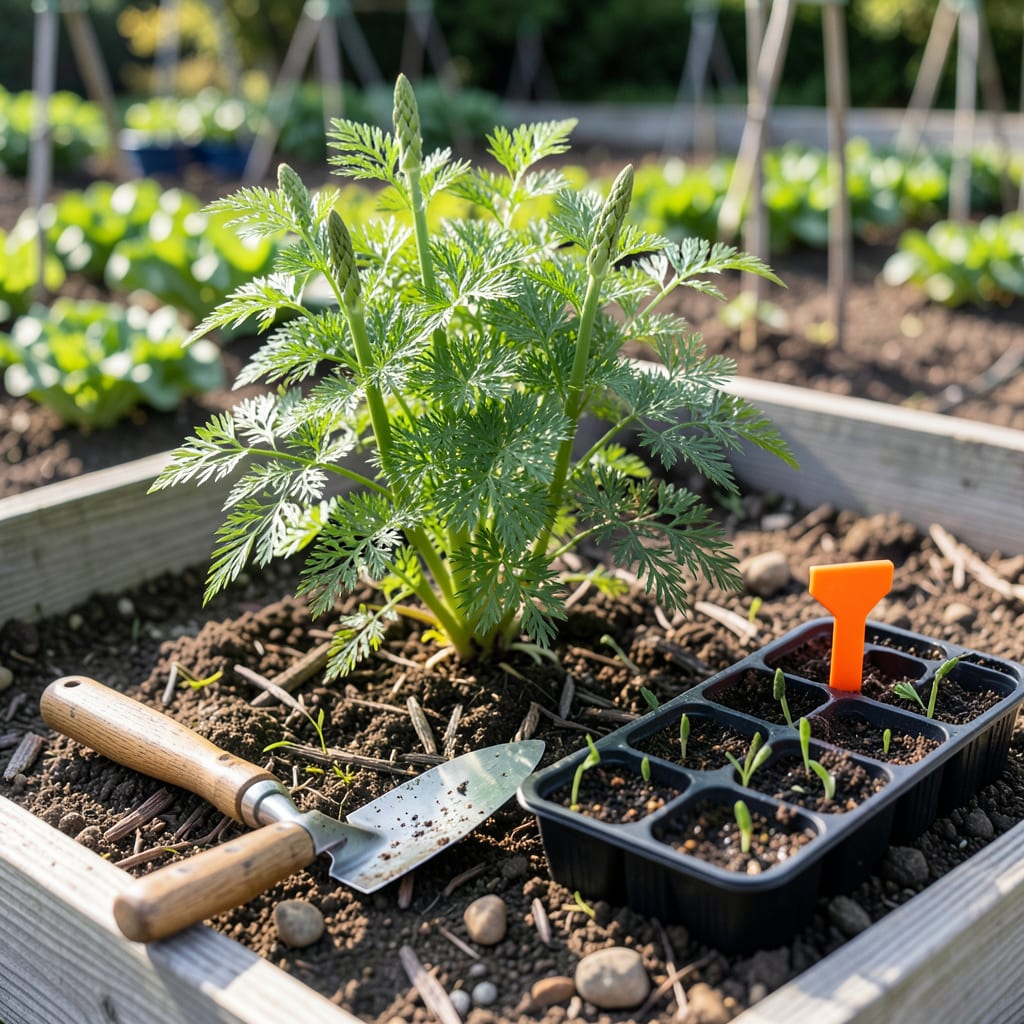
Timing your asparagus planting in North Carolina can mean the difference between a thriving harvest and a disappointing season. The Tar Heel State’s diverse climate—from the mountains to the coast—demands precise planning to avoid frost damage or missed growth windows.
I’ve helped countless NC gardeners nail their planting schedule, and the key lies in understanding your region’s last frost date. Whether you’re in the Piedmont or along the coast, we’ll break down the ideal window for establishing crowns that’ll produce for 10+ years. Let’s get your asparagus patch started right.
If you’re planting asparagus in North Carolina, timing isn’t just important—it’s everything. Our state’s three distinct regions (Mountains, Piedmont, Coastal Plain) each have unique microclimates that shift planting windows by 2-4 weeks. I’ll help you pinpoint the perfect moment for your zone.
The magic number for asparagus is 50°F soil temperature—plant too early in cold, wet ground, and your crowns may rot. Wait too long, and they’ll struggle to establish before summer heat. In NC, that sweet spot varies dramatically from late February in Coastal areas to mid-March in the Piedmont.
| NC Region | USDA Zones | Planting Window | Last Frost Date | Soil Prep Tip |
|---|---|---|---|---|
| Coastal Plain | 8a-8b | Feb 15–Mar 15 | Feb 28 | Add sand to improve drainage |
| Piedmont | 7a-8a | Mar 1–Apr 1 | Apr 10 | Work in compost for clay soil |
| Mountains | 6a-7a | Apr 1–Apr 30 | May 1 | Test pH—aim for 6.5–7.0 |
In the Coastal Plain (Zone 8), I start preparing beds in January because our mild winters mean soil warms faster. Piedmont gardeners (Zone 7) should watch for dandelion blooms—that’s nature’s signal that soil temps are rising. Mountain growers must wait until all frost danger passes, often not until early May.
Soil temperature is your best guide—use a soil thermometer (they’re cheap!) to check at 6-inch depth. Asparagus crowns need consistent 50–60°F to establish roots. In Raleigh (Piedmont), that typically happens mid-March; in Wilmington (Coastal), it’s often late February.
Here’s my pro tip: Pre-sprout your crowns if you’re in a cooler zone. Soak them in lukewarm water for 2 hours before planting, then cover beds with black plastic mulch to warm the soil faster. This trick can give Mountain gardeners a 2-week head start.
Remember that asparagus is a long-term investment—your planting timing affects yields for 10+ years. Coastal gardeners can sometimes sneak in a fall planting (October) if they mulch heavily, but spring remains ideal statewide. I’ve found that Jersey Giant and Purple Passion varieties handle NC’s humidity best when planted at the right time.
After planting, keep soil evenly moist (not soggy) for the first 6 weeks. In the Piedmont’s clay soil, I recommend raised beds to prevent waterlogging. Coastal gardeners should add 2 inches of compost to sandy soil to retain moisture. Both regions benefit from a 3-inch mulch layer to regulate temperature.
First-year spears will tempt you, but resist harvesting—let plants establish for a full season. Year two, you can take a light harvest (2 weeks max). By year three, you’ll enjoy 6–8 weeks of spears if you nailed the planting timing. That’s the reward for patience!
Still unsure about your exact timing? Check with your local NC Cooperative Extension office—they track microclimate data. Or invest in a soil thermometer (under $20) to take the guesswork out. Trust me, your future self will thank you when you’re harvesting 1/2-pound of spears per plant annually!
Planting asparagus in North Carolina seems straightforward until you realize how easily small errors can ruin your harvest for years. I’ve seen gardeners lose entire beds because of three preventable mistakes—all tied to our state’s unique clay soils and humid climate. Let’s fix them before you plant.
The first blunder? Ignoring soil pH. Asparagus demands a 6.5–7.0 pH range, but most NC soils test acidic (5.5–6.0). In the Piedmont, our heavy clay often needs lime amendments months before planting. Coastal gardeners face the opposite problem—sandy soil may require sulfur additions to balance pH.
⚠️ WARNING: 3 NC Asparagus Killers
Fix these, and you’ll double your yield potential!
Second critical error: Planting in wet soil. Our spring rains make this especially risky. I always check soil by squeezing a handful—if it holds shape when pressed, it’s too wet. Wait for the “crumbly test” (soil breaks apart easily). Coastal gardeners can plant earlier but must add 3 inches of compost to improve drainage in sandy soil.
The third mistake breaks my heart: using weak crowns. Big-box stores often sell 1-year-old asparagus, but they struggle in NC’s heat. I only plant 2-year-old Jersey Giant crowns—they establish 3x faster and resist fusarium wilt, a common NC fungal issue. Look for crowns with firm, plump buds (not shriveled).
Here’s my NC-specific fix for all three problems: Pre-treat your planting area the fall before. Work in 2–4 inches of compost and test pH. In spring, create 12-inch-wide trenches, add a 1-inch layer of sand at the bottom for drainage, then plant crowns on small mounds within the trench. This method prevents rot in clay and keeps roots cool in Coastal heat.
Remember that asparagus is a marathon plant—what you do at planting affects yields for 15+ years. I’ve seen NC gardeners get zero harvests for 3 years because they planted too shallow or in compacted soil. Take the extra week to prepare properly, and you’ll be rewarded with 1/2-pound per plant annually by year three. That’s 50+ pounds from a 100-plant bed!
Still nervous? Grab a $10 soil test kit from your NC Cooperative Extension office before planting. It’s the best insurance policy for your asparagus patch. And if you’re in the Piedmont, consider drip irrigation—it keeps water off the crowns while maintaining consistent moisture. Trust me, your future self will thank you when you’re harvesting thick, sweet spears every spring! 🌱
Choosing the right asparagus variety for North Carolina’s sticky summers and unpredictable springs can make or break your harvest. Not all asparagus handles our humidity and heat equally—I’ve tested dozens and found clear winners for NC gardens. The secret? Focus on disease-resistant, all-male hybrids that won’t waste energy on seeds.
My top pick for statewide success is Jersey Giant—this all-male hybrid laughs at our fusarium wilt pressure and produces thick, tender spears even in July heat. Coastal gardeners love its salt tolerance, while Piedmont growers appreciate its clay-soil adaptability. For early harvests, try Jersey Knight, which starts producing 2 weeks ahead of standard varieties.
For colorful plates and markets, Purple Passion delivers stunning deep purple spears that stay tender in heat. Mountain gardeners should consider UC 157—it handles late frosts better than most. I’ve found that all-male hybrids outproduce traditional varieties by 30–50% in NC because they don’t waste energy on seeds or berries.
Timing matters with varieties too: early types like Jersey Knight let Coastal gardeners start harvesting in late March, while late-season Millennium extends Piedmont harvests into early June. For maximum yield, I plant two varieties—one early and one late—to get 10+ weeks of fresh asparagus each spring.
Here’s my variety selection trick: Buy from NC specialty nurseries like Mills River Farm or Piedmont Plant Company. Their crowns are already adapted to our climate. Avoid big-box stores—their asparagus often comes from Northern growers and struggles in our Zone 7–8 heat. Look for 2-year-old crowns with 10+ buds for fastest establishment.
Remember that variety selection affects flavor too! Jersey Giant offers sweet, nutty spears, while Purple Passion has berry-like undertones. For the best texture in NC’s heat, harvest when spears reach 6–8 inches tall—any taller and they get fibrous. With the right variety and care, you’ll be harvesting 1/2-pound per plant by year three! 🌱
Asparagus crowns thrive when soil reaches 50–60°F at 6-inch depth. In Raleigh (Piedmont), this typically happens mid-March, while Wilmington (Coastal) often hits it by late February. Use a soil thermometer to check—it’s the most reliable guide.
Coastal NC gardeners can sometimes plant in October with heavy mulching, but spring remains ideal statewide. Fall planting risks crown rot in wet Piedmont clay or unexpected Mountain frosts. Spring gives roots time to establish before summer heat.
In Piedmont’s heavy clay, plant crowns 6–8 inches deep to prevent rot. Create 12-inch-wide trenches, add 1-inch sand for drainage, then mound crowns slightly. This method protects from late frosts and waterlogging.
Jersey Giant and Purple Passion excel in NC’s climate. Jersey Giant resists fusarium wilt and handles heat, while Purple Passion thrives in Coastal humidity. Both outproduce traditional varieties by 30–50% in our zones.
Resist harvesting year one—let plants establish. Year two allows a light 2-week harvest. By year three, expect 6–8 weeks of spears if planted correctly. Patience pays off with 1/2-pound per plant annually thereafter!
