
Beautiful Plants For Your Interior
Beautiful Plants For Your Interior
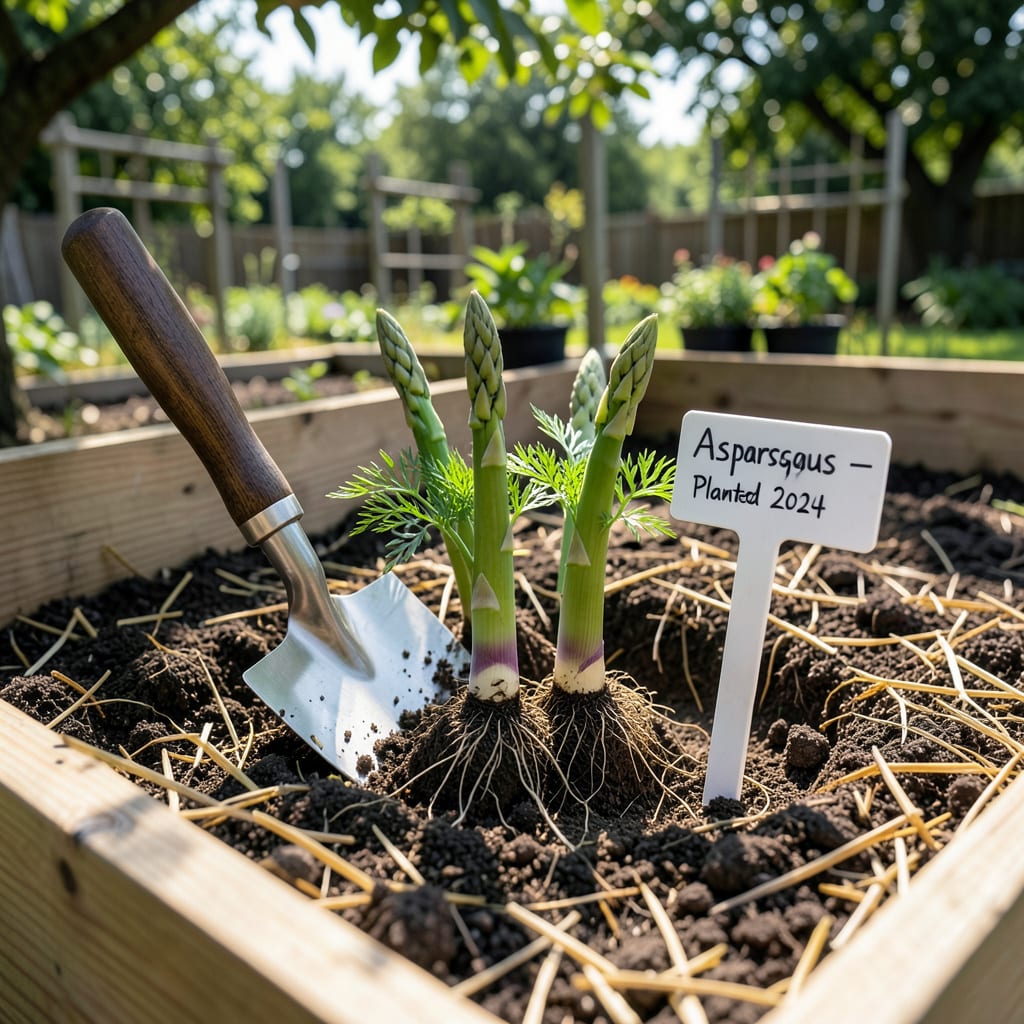
Timing your asparagus planting in Georgia isn’t just about picking a date—it’s about securing a 10-year harvest. Plant too early, and a surprise frost could wipe out your crowns. Wait too long, and the summer heat will stunt growth before roots even establish.
Here’s the catch: Georgia’s Piedmont and Coastal regions have completely different rules. I’ll break down the exact windows (hint: it’s not just “spring”), soil temps to watch, and why your USDA zone—7b to 9a—changes everything. Let’s get this right the first time.
If you’re planting asparagus in Georgia, timing isn’t just important—it’s the difference between a 10-year harvest and a failed bed. Georgia’s diverse climate means what works in Atlanta’s Piedmont won’t always suit Savannah’s Coastal region. The key? Soil temperature and frost risk.
Asparagus crowns need soil temps above 50°F to establish roots, but they can’t handle late frosts. In Zone 7b (Piedmont), aim for mid-February to early March. Coastal gardeners in Zone 8b-9a can push planting to late February through mid-March, thanks to milder winters.
| Region | USDA Zones | Planting Window | Last Frost Date | Soil Prep Tip |
|---|---|---|---|---|
| Piedmont | 7a-8a | Mid-Feb to Early March | April 1-15 | Amend red clay with compost for drainage |
| Coastal | 8b-9a | Late Feb to Mid-March | March 1-15 | Mix sand into soil to prevent crown rot |
| Mountains | 6b-7a | Late March to Early April | April 15-30 | Use black plastic mulch to warm soil faster |
Piedmont gardeners face cold snaps that can dip below 20°F in February. That’s why I recommend planting 1-year-old crowns—they’re hardier than seeds. Test your soil first: asparagus thrives in pH 6.5-7.0. Coastal soils tend to be more acidic, so you may need lime amendments.
Here’s a pro tip: Soak crowns in lukewarm water for 20 minutes before planting. This rehydrates the roots and gives them a head start. Dig trenches 6-8 inches deep and space crowns 12-18 inches apart. In Georgia’s heat, wider spacing improves air circulation and reduces fusarium wilt risk.
Coastal gardeners, watch your humidity levels. Asparagus hates “wet feet,” so raised beds are ideal. I’ve seen beds fail in low-lying areas where water pools after summer storms. If you’re in Zone 9a, consider ‘Purple Passion’—it handles heat better than green varieties.
Both regions should avoid planting where tomatoes, potatoes, or onions grew recently. These crops share diseases like verticillium wilt that can linger in soil. Rotate your asparagus bed to a spot that had beans or peas last season for best results.
After planting, cover beds with 2-3 inches of mulch. Straw works well in Piedmont, while Coastal gardeners might prefer pine straw (it’s more available and resists compaction). Water deeply once a week—asparagus roots can grow 5 feet deep over time!
Remember: No harvesting in Year 1. Let ferns grow to establish strong crowns. In Year 2, you can take a light harvest (2-3 weeks). By Year 3, you’ll enjoy full production for 6-8 weeks each spring. That’s the reward for perfect timing!
If you’re unsure about your exact planting window, check with your local UGA Extension office. They track microclimates and can give hyper-local advice. I’ve found their soil testing services invaluable for adjusting pH before planting.
One final warning: Deer love asparagus. If you’re in a rural area, plan for protection. A 4-foot fence usually does the trick, or try planting near daffodils or marigolds—deer avoid these.
Planting asparagus in Georgia is a long-term investment—one that can pay off for 15+ years if done right. But I’ve seen too many gardeners make three fatal errors that sabotage their harvests before they even begin. Let’s fix these before you plant your first crown.
The first mistake? Ignoring soil pH. Asparagus demands a pH of 6.5-7.0. Georgia’s natural soil often falls outside this range—Piedmont’s red clay tends to be acidic, while Coastal areas may be too alkaline. Always test your soil and amend with lime or sulfur as needed.
Another common blunder is planting in the wrong location. Asparagus needs full sun (6-8 hours daily) and hates competition. Never plant where tomatoes, potatoes, or onions grew recently—they share diseases like verticillium wilt that persist in soil for years.
Here’s a fix I swear by: Soak crowns in compost tea for 30 minutes before planting. This gives them a microbial boost to fight Georgia’s fungal pressures. Space crowns 18 inches apart in rows 3 feet apart—this extra room improves airflow in our humid climate.
Coastal gardeners face unique challenges with salt spray and high humidity. If you’re near the coast, rinse your asparagus bed with fresh water after storms to remove salt buildup. Consider ‘Purple Passion’ variety—it handles heat and humidity better than traditional green types.
Remember: Asparagus is a perennial crop. What you do in Year 1 affects your harvest for the next decade. Take the time to prepare your bed properly—double-dig the area, remove all weeds, and add 2 inches of compost before planting. Your future self will thank you when you’re harvesting 20+ spears per plant each spring!
One last pro tip: Mulch with straw immediately after planting. This keeps soil temps stable and prevents weed competition. In Georgia’s heat, mulch also reduces water evaporation by 30-40%, critical for those deep asparagus roots developing their first year.
Not all asparagus varieties handle Georgia’s sweltering summers and humid springs equally. After testing dozens of cultivars in my own Piedmont garden, I’ve found the top performers that resist disease, tolerate heat, and produce heavily. The right variety can mean 3x more spears and fewer lost plants.
For Piedmont gardeners (Zones 7b-8a), ‘Jersey Giant’ is my #1 pick. This all-male hybrid handles cold snaps better than most and produces thick, tender spears. In Coastal regions (Zones 8b-9a), ‘Purple Passion’ shines—its anthocyanins (the purple pigments) help it withstand heat stress while adding a sweet, nutty flavor.
Why choose all-male hybrids like ‘Jersey Giant’? They don’t waste energy producing seeds, so they yield 25-30% more spears than female plants. I’ve seen beds with mixed sexes produce half as much as all-male plantings. If you’re buying crowns, look for labels marked “all-male”—it’s worth the extra cost.
For organic gardeners, ‘Millennium’ is a standout. It resists asparagus rust and fusarium wilt, two big problems in Georgia’s humid climate. I’ve grown it without fungicides for 5 years with zero issues. Coastal gardeners should avoid ‘Mary Washington’—it’s prone to rust in high humidity.
Here’s a variety most Georgia gardeners overlook: ‘Sweet Purple’. It’s not just pretty—its higher sugar content makes it less bitter in our hot springs. The purple color also deters some pests. Just note it turns green when cooked. For small-space gardens, try ‘Atlas’—it’s compact but still produces well.
No matter which variety you choose, buy 1-year-old crowns from reputable suppliers. Seeds take 3 years to produce, while crowns give you spears in half the time. I get mine from local nurseries in January—they’re fresher than mail-order and acclimated to Georgia’s climate.
Pro tip: Plant at least 10 crowns per person in your household. A single crown yields about ½ pound of spears annually at maturity. With proper care, your bed will produce for 15-20 years—longer than most Georgia marriages last! 🌱
For Piedmont/Zone 7b, mid-to-late February is ideal if soil temps reach 50°F. Check your local frost dates—Piedmont’s last frost can hit as late as April 15. Use row covers if planting early to protect against sudden cold snaps.
Use a soil thermometer at 6-8 inches deep—asparagus needs consistent 50°F+ temps. Coastal areas warm faster than Piedmont. If your soil feels cold to the touch at planting depth, wait a week and recheck.
Not recommended—crowns need 5+ feet of root space over time. If space is limited, use a 24-inch-deep raised bed with well-draining soil. Container-grown asparagus rarely thrives long-term in Georgia’s heat.
Planting in low-lying areas where water pools. Coastal soils stay wet longer, causing crown rot. Always plant in raised beds with sandy loam amendments. Consider ‘UC 157’ variety for extra disease resistance.
Wait 2 full years before harvesting—Year 1 builds roots, Year 2 allows light harvests. Full production starts in Year 3. Patience pays off with 15+ years of spears! The wait ensures strong crowns.
