
Beautiful Plants For Your Interior
Beautiful Plants For Your Interior
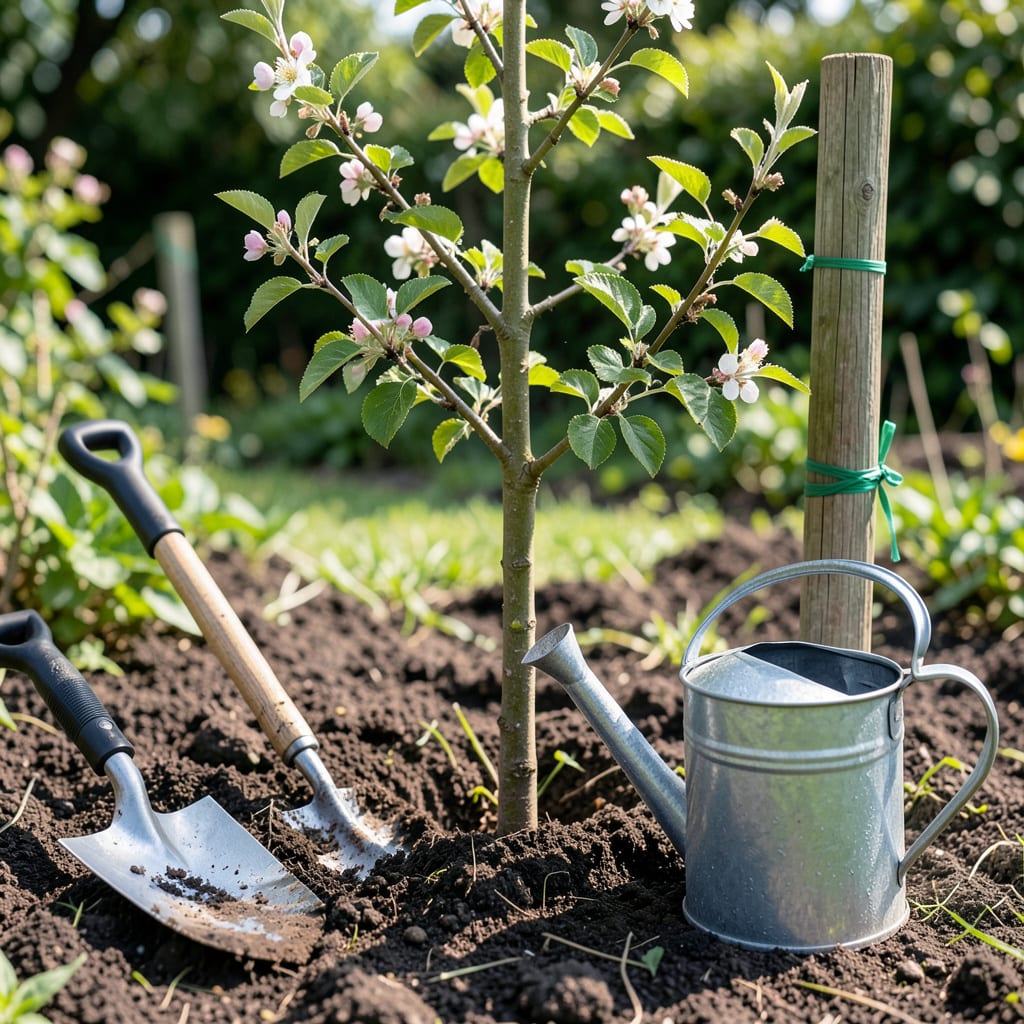
Dreaming of crisp, homegrown 🍎 straight from your Wisconsin backyard? Timing is everything when it comes to planting Apple Trees—miss the sweet spot, and you could be waiting years for your first harvest.
After helping dozens of Wisconsin gardeners avoid common mistakes, I’ve nailed down the exact windows for Zone 4a-5b. Whether you’re planting in spring or fall, I’ll show you how to set your trees up for success from day one.
If you’re dreaming of fresh Honeycrisp apples straight from your backyard, timing your planting is everything in Wisconsin’s Zone 5. Our climate gives us two prime windows—early spring and early fall—but which is best for your location?
I’ve found that fall planting (September-October) often gives trees a head start on root growth before winter dormancy. But spring works too if you act fast after the last frost (typically mid-May in southern WI, later up north). Let’s break it down.
| Season | Ideal Months | Pros | Cons |
|---|---|---|---|
| Early Spring | April-May | Avoids winter stress, good for bare-root trees | Risk of late frosts, shorter root growth window |
| Early Fall | September-October | Cooler temps reduce stress, longer root establishment before winter | Must plant 6+ weeks before first frost (early Oct in northern WI) |
*Soil temp should be above 40°F for both seasons. Test with a soil thermometer!
For northern Wisconsin (Zone 4a), I’d lean toward spring planting—those harsh winters can be tough on young fall-planted trees. But in southern WI (Zone 5b), fall is my top pick. The key is giving roots 4-6 weeks to settle before the ground freezes.
If you’re planting bare-root trees, aim for early spring—they need immediate watering and can’t handle frozen soil. Container-grown trees are more flexible and can go in during either window, but I always check the root ball for circling roots before planting.
Here’s a pro tip: Call your local UW-Extension office for hyper-local frost dates. In Milwaukee County, the last frost might be May 5, while Vilas County up north could see frost until June 1. That’s a 4-week difference in safe planting time!
Soil prep matters too. I always test my soil’s pH (6.0–6.5 ideal) and work in compost before planting. Apple trees hate “wet feet”, so pick a well-draining spot—avoid low areas where cold air pools (these create frost pockets that can damage blossoms).
After planting, mulch heavily (3–4 inches of wood chips) to protect roots and retain moisture. In fall, I add an extra layer before winter. And don’t forget to water deeply—even in fall—until the ground freezes. New trees need about 1 inch of water per week, whether from rain or your hose.
One mistake I see often? Planting too deep. The graft union (that bump near the base) should sit 2–3 inches above soil. Bury it, and you risk girdling roots that can kill the tree years later. I use a stick or broom handle laid across the hole to check depth before backfilling.
Finally, if you’re near Lake Michigan, you’ve got a microclimate advantage! The lake moderates temps, so you might squeeze in an extra week of planting time in both spring and fall. But inland? Stick to the earlier end of those windows to play it safe.
Ready to dig in? Grab a shovel, your soil test results, and mark your calendar for September 15 or April 10—whichever season fits your schedule. Your future self will thank you when that first homegrown apple pie—er, I mean, fresh apple—is in hand! 🌳
Even with perfect timing, a few missteps can doom your apple trees before they bear fruit. After seeing too many Wisconsin gardeners struggle, I’ve pinpointed the three biggest mistakes—and how to sidestep them for thriving trees.
First up: planting too late in fall. I get it—life’s busy, and suddenly it’s mid-October. But if roots don’t establish before freeze-up, you’re rolling the dice. In northern WI, aim to plant by September 30; southern gardeners can push to October 15.
*Fix these, and you’ll double your tree’s survival odds in Year 1.
Another silent killer? Compacted or soggy soil. Apple trees need well-draining loam. Before planting, I dig a 2-foot-wide hole (even for small trees) and mix in 50% compost. Pro tip: If water pools in your hole after rain, pick a new spot or install a French drain.
Here’s a mistake I made early on: skipping the soil test. Wisconsin’s native soil often leans acidic (pH 5.0–5.5), but apple trees thrive at 6.0–6.5. For $20, your local UW-Extension will test your soil and give exact amending instructions. I’ve seen trees with yellow leaves (chlorosis) bounce back in weeks after a lime treatment.
Finally, planting too deep is shockingly common. The graft union (that knobby bump) must stay 2–3 inches above soil. Bury it, and you’ll smother the tree’s ability to transport nutrients. I use a broom handle across the hole to gauge depth—when the handle sits flat, the union’s at the right height.
One more thing: wind exposure. Wisconsin’s gusts can snap young trunks or desiccate leaves. If your site is windy, plant a living windbreak (like arbovitae) or stake new trees with flexible ties—never wire, which can girdle the bark. In my garden, I lost a ‘Haralson’ sapling to winter windburn before learning this lesson!
Avoid these pitfalls, and you’ll be rewarded with stronger growth and earlier harvests. Next up: Let’s talk about the best cold-hardy varieties that thrive in Wisconsin’s climate—because not all apples are created equal! 🌱
Not all apple trees can handle Wisconsin’s Zone 4a-5b winters, where temps can plummet to -30°F. After testing dozens of varieties in my own orchard, I’ve narrowed it down to the five toughest cultivars that thrive here—and taste amazing too.
The star of the show? ‘Honeycrisp’, Wisconsin’s claim to fame. This U of MN-bred beauty laughs at -40°F winds and delivers explosively crisp, honey-sweet fruit. But don’t overlook ‘Haralson’, a 1920s classic that ripens late and stores like a champ—perfect for Wisconsin’s short growing season.
Pollinators: Haralson, Zestar!
Pollinators: Honeycrisp, Cortland
Pollinators: Any mid-season
Pollinators: Haralson, McIntosh
Pollinators: Self-fertile
For urban gardeners with limited space, I recommend ‘Liberty’—it’s a dwarf variety that tops out at 12 feet and doesn’t need spraying. Pair it with a ‘Cortland’ for cross-pollination, and you’ll get fruit in just 3-4 years.
If you’re near Lake Michigan, you can push the envelope with ‘Sweet Sixteen’ (Zone 4b), a unique heirloom with cherry-vanilla notes. But inland? Stick to the Zone 3-4 hardy picks like ‘Haralson’ or ‘Cortland’—they’ll survive -35°F without batting an eye.
Where to buy? Skip the big-box stores. I source my trees from Wisconsin nurseries like Stark Bro’s or Bayfield Apple Company—they sell disease-certified stock grafted onto cold-hardy rootstocks. Always choose 2-year-old whips (4-6 ft tall) for faster establishment.
Remember: All apples need pollinators. Plant at least two compatible varieties within 50 feet, or add a crabapple tree as a universal pollinator. I’ve seen gardeners lose years of growth because they planted a single ‘Honeycrisp’ without a partner—don’t make that mistake! 🌳
Early fall (September-October) is ideal for most of the state. Cooler temps reduce transplant shock, and roots establish before winter. However, northern Wisconsin (Zone 4a) gardeners may prefer spring planting to avoid harsh winters. Always aim for 6+ weeks before first frost.
No—bare-root trees should only be planted in early spring when soil is workable but still cool. Their exposed roots can’t handle frozen ground. For fall planting, choose container-grown trees and check for circling roots before planting.
Apply 3–4 inches of mulch (wood chips or straw) around the base, keeping it 2 inches away from the trunk. Wrap trunks with tree guards to prevent rodent damage. In windy areas, use stakes with flexible ties—never wire, which can cut into bark.
Planting too deep! The graft union (the bump near the base) must sit 2–3 inches above soil. Bury it, and you risk girdling roots that can kill the tree years later. Use a stick or broom handle across the hole to check depth before backfilling.
Most varieties require cross-pollination. Plant at least two compatible varieties within 50 feet, or add a crabapple tree as a universal pollinator. Exceptions like ‘Liberty’ are self-fertile but produce more fruit with a partner.
