
Beautiful Plants For Your Interior
Beautiful Plants For Your Interior
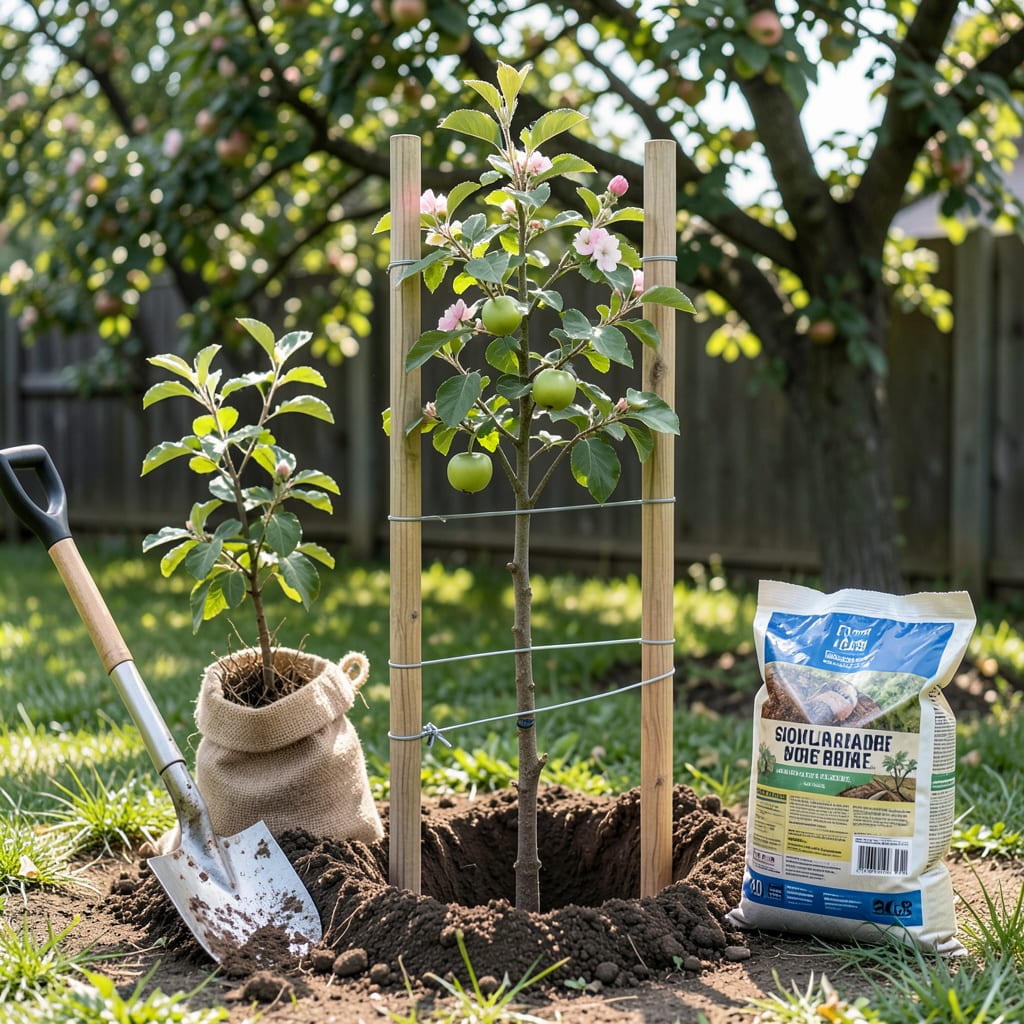
That first bite of a crisp, homegrown Tennessee apple is worth every minute of planning—if you time it right. Plant your 🍎 Apple Tree too early, and late frosts could wipe out your young sapling. Wait too long, and the summer heat might stress it before roots establish.
After helping dozens of gardeners in Zone 7a avoid costly mistakes, I’ve nailed down the exact window for success. Let’s cut through the guesswork so you can plant with confidence—and enjoy bushels of fruit for years to come.
If you’re dreaming of fresh Tennessee-grown apples, timing your planting is critical. Our state’s Zone 7 climate offers two prime windows: late winter to early spring (February–April) and fall (October–November). Each season has pros, but spring often wins for bare-root trees.
Why does timing matter? Apple trees planted too early risk frost damage, while late planting stresses roots before summer heat. I’ll break down the best months, soil temps, and how to match your tree type (bare-root vs. container) to Tennessee’s unpredictable weather.
| Season | Ideal Months | Tree Type | Soil Temp | Pros |
|---|---|---|---|---|
| Late Winter/Spring | Feb–April | Bare-root | 40°F–50°F | Best root establishment before summer |
| Fall | Oct–Nov | Container-grown | 50°F–60°F | Less transplant shock, cooler temps |
Note: Avoid planting 2 weeks before last frost (April 15 in most of TN). Test soil moisture—it should crumble, not clump.
For East Tennessee (higher elevation, cooler), aim for March–early April planting. The Cumberland Plateau and West Tennessee (warmer, more humid) can push planting to late February if soil isn’t waterlogged. Always check your local frost dates—UT Extension’s county-specific guides are gold.
Bare-root trees (cheaper, sold dormant) must go in during late winter. I soak roots for 1–2 hours before planting to rehydrate them. Container-grown trees offer flexibility—you can plant them anytime outside extreme heat or frost, but spring/fall are still ideal.
Here’s my pro tip: Use a soil thermometer ($10 at garden centers). When temps hit 45°F at 6″ depth, your soil’s ready. Too cold? Roots won’t grow. Too hot? Trees stress. In Middle Tennessee, this often aligns with daffodil blooms—nature’s planting calendar!
Don’t overlook microclimates. A south-facing slope in Chattanooga warms faster than a shaded Nashville backyard. If your site stays soggy, plant on a mound or in a raised bed to improve drainage. Apple trees despise “wet feet.”
For disease-resistant varieties like ‘Liberty’ or ‘Enterprise,’ spring planting gives them a full season to establish before facing Tennessee’s humid summers (hello, fungal pressure!). Fall-planted trees need extra mulch (3–4″ of straw) to insulate roots from temperature swings.
Remember: Pollination partners matter! Plant at least two compatible varieties within 50 feet. ‘Gala’ and ‘Fuji’ pair well, while ‘Granny Smith’ needs a partner like ‘Golden Delicious.’ Check tags or ask your nursery—this step is non-negotiable for fruit set.
After planting, water deeply (1–2 inches weekly) and stake young trees if winds are fierce (looking at you, Memphis gusts). First-year focus? Root growth, not fruit. I pinch off any blooms to redirect energy downward—trust me, it pays off in year three!
Still unsure? Visit a local orchard like The Apple Barn in Sevierville. Seeing mature trees thriving in your region’s conditions is the best confidence boost. Happy planting—your future apple pies (or fresh snacks!) will thank you. 🌳
Planning your apple tree planting in Tennessee? Let’s simplify the timeline. Our Zone 7 climate gives you two golden windows: late winter/early spring (February–April) and fall (October–November). Miss these, and your tree may struggle.
I’ve broken it down month-by-month so you’ll know exactly when to dig. Whether you’re in Memphis or the Smoky Mountains, this calendar keeps you on track. Pro tip: Always check your local frost dates—UT Extension’s tools are lifesavers!
Critical Note: Avoid planting 2 weeks before last frost (April 15 for most of TN) or during summer heat (June–August).
For bare-root trees, February–early March is your sweet spot. I soak roots in water for 1–2 hours before planting to kickstart growth. If your soil is still frozen or soggy (common in West TN’s clay), wait until it’s crumbly—not sticky.
Container-grown trees give you more flexibility. You can plant them anytime outside extreme heat or frost, but spring/fall are ideal. In Middle Tennessee, I aim for late March—just as daffodils bloom. Nature’s perfect timer!
Fall planting? October is prime. Cooler temps reduce stress, and roots grow until soil hits 40°F. But don’t wait too long—November plantings need extra mulch to survive winter. Use straw or shredded leaves (avoid hay—it harbors weeds).
Here’s my non-negotiable
Even experienced gardeners can sabotage their apple trees with avoidable errors. In Tennessee’s Zone 7 climate, small missteps like poor timing or wrong varieties can cost years of growth. Let’s tackle the biggest pitfalls I see—so you can skip the heartache.
First up: planting depth. Burying the graft union (that knobby bump near the base) invites rot and weakens the tree. I dig holes twice as wide as the root ball but no deeper. The union should sit 2–3 inches above soil—even if it looks odd at first.
Fix it: Test drainage by digging a 12″ hole, filling with water. If it drains slower than 1″ per hour, improve soil.
Another killer? Wrong variety selection. Tennessee’s humid summers breed fungal diseases like cedar apple rust. I avoid susceptible heirlooms (like ‘McIntosh’) and opt for disease-resistant picks: ‘Liberty,’ ‘Enterprise,’ or ‘Jonafree.’ Check UT Extension’s recommended list for your county.
Spacing errors stunt trees and spread disease. Dwarf varieties need 8–10 feet apart; standards demand 15–20 feet. Crowded trees compete for nutrients and airflow, inviting pests. Use a measuring tape—eyeballing always fails. In tight spaces, try espalier training against a fence.
Don’t forget the root bound trap with container trees! If roots circle the pot, they’ll strangle the tree later. Always loosen roots before planting—even slice through thick mats with a clean knife. I also prune broken roots to encourage healthy new growth.
Finally, mulching mistakes abound. Piling mulch against the trunk (“volcano mulching”) traps moisture and attracts borers. Keep mulch 3 inches from the trunk, spread 2–3 inches deep in a 3-foot diameter. Use shredded bark or straw—never rocks (they overheat roots).
One last tip: Stake only if necessary. Over-staking weakens trunk strength. Use two soft ties on windy sites (like Memphis), but remove them after 1 year. Your goal? A tree that stands tall on its own by year two. 🌳
Both seasons work, but spring (Feb–April) is ideal for bare-root trees since they establish before summer heat. Fall (Oct–Nov) suits container-grown trees with less transplant shock. Choose spring if your area has heavy clay soil that stays wet in winter.
Grab a handful of soil—it should crumble easily, not stick together. Use a thermometer to check 6″ depth: 45°F+ is perfect. If it’s soggy (common in West TN), wait or plant on a mound for better drainage.
No—most varieties need a pollination partner within 50 feet. Plant two compatible types (e.g., ‘Gala’ + ‘Fuji’). Self-pollinating varieties like ‘Golden Delicious’ exist but produce more fruit with a partner.
Planting too deep! The graft union (knobby bump near the base) should sit 2–3 inches above soil. Burying it causes rot. Also, skipping soil prep in Tennessee’s clay-heavy regions stunts growth—amend with compost.
Dwarf varieties may fruit in 2–3 years; standard trees take 4–6 years. Remove first-year blooms to strengthen roots. In Tennessee’s climate, expect full harvests by year 5–7 with proper care.
