
Beautiful Plants For Your Interior
Beautiful Plants For Your Interior
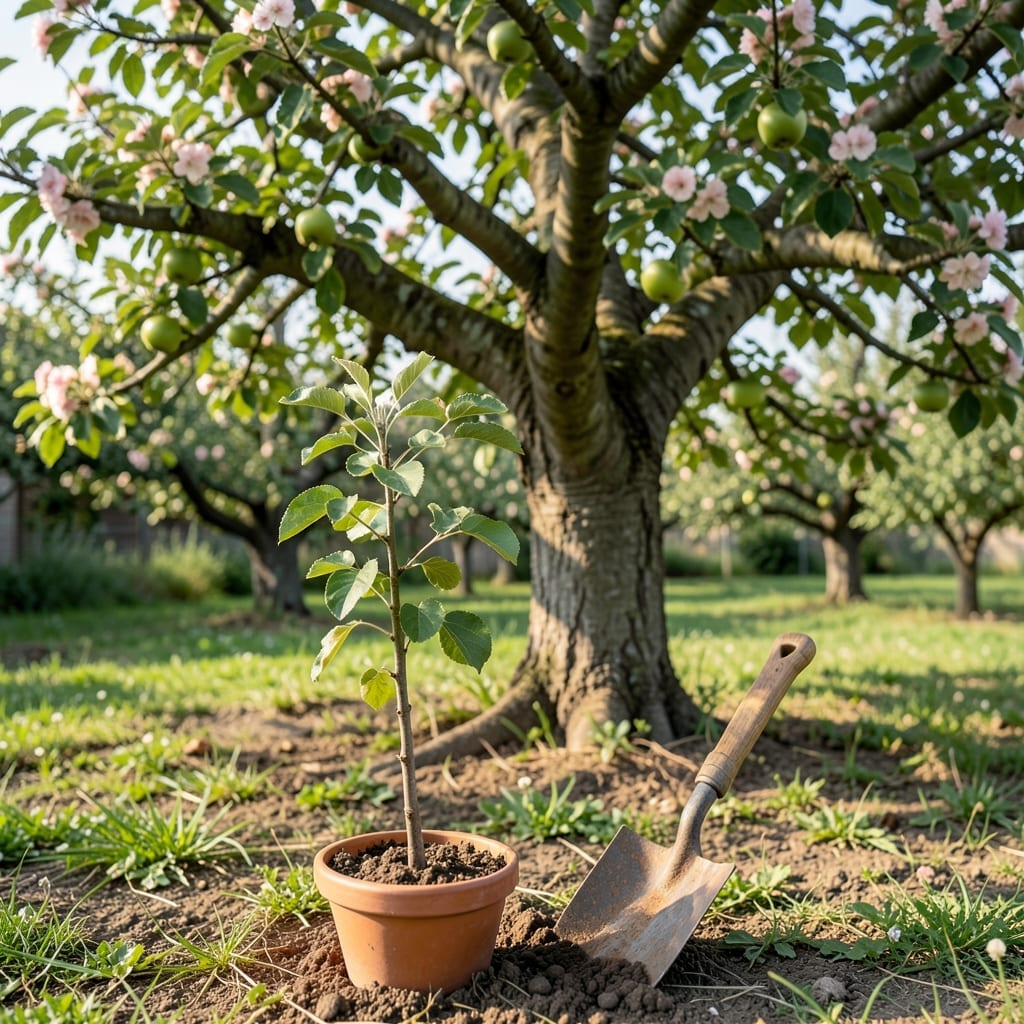
Planting an Apple Tree 🍎 in South Carolina isn’t just about digging a hole and hoping for the best. It’s a carefully timed dance with the state’s unique climate.
Get this part right, and you’ll set the stage for decades of bountiful harvests. The timing can make all the difference between a struggling sapling and a thriving orchard.
I’ve seen too many gardeners jump the gun only to watch their trees falter. The window for success in zones 7b-8a is more precise than you might think.
Discover the exact months when your Apple Tree will have the best chance to establish strong roots before the heat of summer arrives.
Timing is everything when planting apple trees in SC. The state spans USDA zones 7b-8a, where late frosts and early heat can challenge young trees. I always recommend late winter planting to give roots a head start.
In these zones, January through March offers the sweet spot. The soil is workable, and trees can establish roots before summer stress. Avoid planting during extreme cold snaps or when the ground is waterlogged.☀️
| Zone | Ideal Planting Window | Last Frost Date | Key Consideration |
|---|---|---|---|
| 7b | Jan 15 – Mar 1 | April 15 | Avoid late frosts |
| 8a | Jan 1 – Feb 28 | April 1 | Warmer winters allow earlier start |
| 7b-8a | Dec 15 – Mar 15 | March 30 | Broad window for coastal areas |
The dormant season is prime time for planting. Bare-root trees do best when planted while still asleep, typically 4-6 weeks before your last expected frost. This gives roots time to settle before spring growth explodes.
In zone 8a, where winters are milder, you can start as early as January 1st. But in cooler zone 7b areas, waiting until mid-January reduces risk of frost damage to new plantings.🌱
Soil temperature matters too. Aim for 40-50°F at planting depth. Too cold and roots won’t grow; too warm and you risk shocking the tree. A simple soil thermometer can save you guesswork.
I’ve found that container-grown trees offer more flexibility. They can go in the ground slightly later, up to early April, since their roots are already active. Just be sure to keep them well-watered.
Remember that elevation affects timing. In the Upstate’s higher elevations, spring comes later. Gardeners there should lean toward the later end of the planting window.🌳
For the best results, plant on a cloudy day or in the evening to reduce transplant shock. And always water thoroughly after planting to settle the soil around the roots.
This timing strategy has helped me establish dozens of healthy apple trees across South Carolina. Follow these windows, and you’ll give your trees the strongest possible start in our unique climate.
Planting an apple tree in South Carolina can go wrong quickly if you overlook key factors. I’ve seen gardeners rush into planting without considering the soil drainage or variety selection suited for our heat and humidity.
Timing is another critical mistake—planting too late means your tree won’t establish roots before summer stress hits. Always aim for dormant season planting to give your tree the best start.☀️
⚠️ Avoid These Planting Pitfalls
Planting too late in spring can stress your tree before summer heat arrives.
Ignoring soil drainage leads to root rot in SC’s clay-heavy soil.
Choosing non-heat-tolerant varieties like ‘Fuji’ may result in poor fruit set.
Another common error is skipping soil preparation. South Carolina’s clay soil can suffocate roots if not amended with organic matter like compost or peat moss. Test your soil’s pH too—apple trees prefer slightly acidic conditions.
Don’t forget about pollination needs. Many apple varieties require a different variety nearby for cross-pollination. Without it, you’ll get beautiful blooms but no fruit. Always check the pollination requirements before buying.🌳
Watering mistakes are just as damaging. Overwatering can drown roots, while underwatering stresses the tree. Aim for deep, consistent moisture during the first year, especially in the summer months. A slow drip system works best.
Finally, improper spacing can lead to crowded, unhealthy trees. Standard apple trees need 20-25 feet between them, while dwarf varieties can be spaced 8-12 feet apart. Give them room to grow and thrive.🌱