
Beautiful Plants For Your Interior
Beautiful Plants For Your Interior
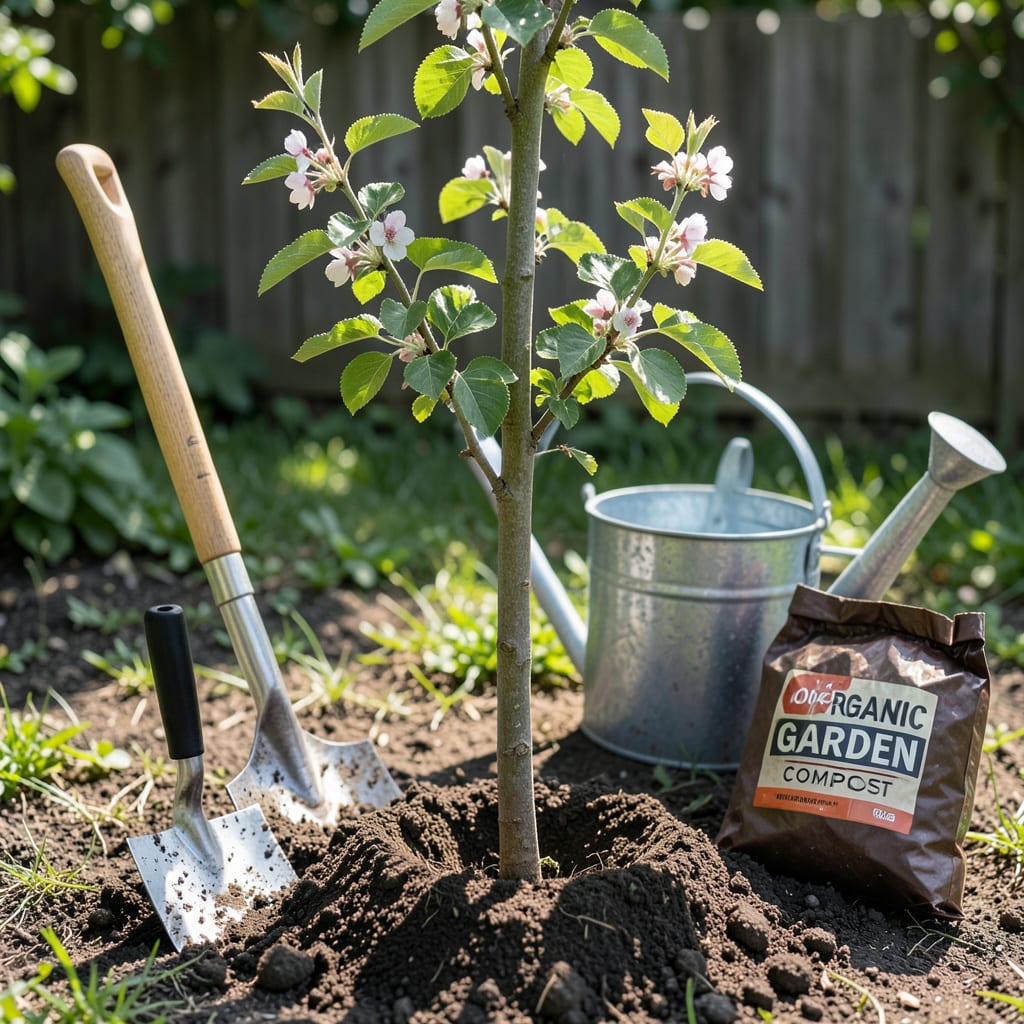
Dreaming of crisp, homegrown apples straight from your Pennsylvania backyard? The secret starts with perfect timing—plant your 🍎 Apple Tree too early or too late, and you could be setting yourself up for years of disappointment.
I’ve seen too many gardeners struggle because they missed the ideal window for our state’s unpredictable climate. Whether you’re in Zone 6a or 7b, I’ll break down exactly when to get those roots in the ground for a thriving orchard that rewards you for decades.
If you’re dreaming of homegrown Pennsylvania apples, timing your planting is everything. Our state’s USDA zones 5a–7b create a patchwork of microclimates, meaning what works in Pittsburgh’s Zone 6a might flop in Philadelphia’s Zone 7b. I’ve seen too many gardeners lose trees to late frosts or winter heave—let’s get this right!
The golden windows are early spring (March–April) and early fall (October–November). But here’s the kicker: bare-root trees thrive in spring, while container-grown can go either season. Your zone’s last frost date is your planting alarm clock—ignore it, and you risk stunted growth or worse.
| PA Region/Zone | Spring Planting Window | Fall Planting Window | Last Frost Date | First Frost Date |
|---|---|---|---|---|
| NW PA (Zone 5a) | April 1–30 | Oct 1–15 | May 1 | Oct 1 |
| Central PA (Zone 6a) | March 15–April 15 | Oct 1–30 | April 15 | Oct 15 |
| SE PA (Zone 7a) | March 1–31 | Oct 15–Nov 15 | April 1 | Nov 1 |
| Philadelphia (Zone 7b) | Feb 20–March 30 | Oct 20–Nov 20 | March 30 | Nov 10 |
See how Philadelphia gardeners get a 3-week head start over Erie? That’s our urban heat island effect! If you’re in Zone 5a (hello, Lake Erie snowbelts), stick to April planting—your soil stays colder longer. Zone 7b folks can push boundaries with late February plantings if the ground isn’t frozen.
Here’s my pro tip for fall planting: Get trees in the ground 6 weeks before first frost. This gives roots time to establish before winter. I learned this the hard way when my Fuji tree planted in late November got heaved right out of the ground by freeze-thaw cycles. Lesson? October is your fall cutoff in most of PA.
Spring plantings have their own rules. Wait until soil is workable (squeeze a handful—if it crumbles, you’re good). Bare-root trees must go in before buds swell, usually by early April in Zone 6. Miss this window, and you’ll stress the tree with transplant shock during leaf-out.
Ever noticed how nurseries flood with trees in early spring? That’s because March–April is prime time for bare-root stock. These trees are cheaper and establish faster when dormant. But if you snooze past April, switch to container-grown—they handle late plantings better.
Let’s talk elevation, because PA’s not flat! For every 500 ft gain, subtract 1 week from your planting window. So if you’re planting in the Poconos (Zone 5b), that April 1 target becomes April 8. Mountain gardeners, take notes!
And here’s what no one tells you: Fall-planted trees often outperform spring ones. Why? Cooler temps and autumn rains reduce stress, and roots grow until soil hits 40°F. Just mulch heavily with 4–6 inches of straw to prevent winter damage. I’ve had Honeycrisp trees planted in October thrive while spring-planted ones struggled.
Still unsure? Grab a soil thermometer—when temps hit 50°F at 6″ deep, it’s go time. And always call your local extension office for hyper-local advice. They’ll know if your microclimate (like Lancaster’s limestone soils) needs adjustments. 🌱
Remember: Apple trees are a 20-year investment. Plant at the right time, and you’ll be rewarded with bushels of fruit for decades. Plant too early or late, and you’re fighting an uphill battle. When in doubt, spring planting is your safest bet—just don’t wait until May! ✂️
Now that you know when to plant, let’s dig into the how. Pennsylvania’s soil can be a mixed bag—heavy clay in the southeast, rocky loam in the mountains, and everything in between. I’ve planted dozens of apple trees across the state, and the secret is in the prep work.
Start with a soil test (your county extension office offers cheap kits). Apple trees crave pH 6.0–7.0 and well-draining soil. If your test shows compacted clay (common in Lancaster County), amend with 50% compost and 20% sand to improve drainage. For rocky Poconos soil, focus on removing stones larger than your fist.
💡 PA Soil Pro Tip: If you’re in Western PA, watch for high aluminum levels (common in acidic soils). Add lime to raise pH before planting. In Eastern PA, gypsum helps break up clay without altering pH.
Choose your spot wisely—apple trees need full sun (6–8 hours daily) and good air circulation to prevent diseases like fire blight. Avoid low spots where cold air pools (a killer for spring blooms). I once lost a Golden Delicious because I planted it in a frost pocket near a fence.
Dig a hole twice as wide as the root ball but no deeper. This encourages roots to spread outward. For bare-root trees, soak roots in water 1–2 hours before planting. Place the tree so the graft union (that bulge near the base) sits 2–3 inches above soil. Backfill with native soil—no fertilizer yet!
Water deeply after planting (5 gallons for young trees), then mulch with 3–4 inches of wood chips, keeping mulch 6 inches away from the trunk. In deer-heavy areas (looking at you, Susquehanna Valley), wrap trunks with hardware cloth until trees reach 6 feet tall.
First-year care is critical. Water weekly (more in droughts) and watch for cedar apple rust (common near eastern red cedars). I recommend drip irrigation for even moisture. Come fall, protect young trees from rodent damage with ¼-inch mesh guards. Remember: Your first three years are about root establishment, not fruit! 🪴
Even with perfect timing, some common mistakes can doom your apple trees before they bear fruit. I’ve seen PA gardeners make these errors year after year—let’s make sure you don’t repeat them. The first blunder? Planting too late in fall when soil temps drop below 50°F.
Roots need 6 weeks to establish before frost. Plant a Honeycrisp in late November, and you’re asking for winter heave—where freeze-thaw cycles literally push the tree out of the ground. Trust me, I learned this the hard way with a Fuji tree that became a casualty of December’s deep freezes.
⚠️ PA Winter Warning: If you’re in Zone 5a (Erie, Warren), your fall planting window closes October 1. Zone 7b (Philly) can push to November 15, but don’t risk it—soil temps are your best guide. When they dip below 50°F at 6″ deep, put the shovel away until spring.
The second mistake is ignoring pollination. Most apple varieties need cross-pollination, meaning you need two compatible trees within 50 feet. I’ve seen orchards fail because gardeners planted a single Granny Smith without a pollinator like Gala or Fuji nearby.
Check the pollination chart before buying—some varieties like Golden Delicious are self-fertile, but most need partners. And don’t assume your neighbor’s tree will help; bloom times must overlap. In humid PA summers, this becomes even more critical as poor pollination leads to small, misshapen fruit.
Finally, many gardeners overlook disease-resistant varieties. Our humid summers and wet springs create perfect conditions for cedar apple rust and fire blight. I lost a McIntosh tree to fire blight because I didn’t choose a resistant variety like Liberty or Enterprise.
For eastern PA, where cedar apple rust spreads from juniper hosts, plant rust-resistant varieties like Freedom or Williams’ Pride. In western PA, focus on fire blight resistance—Jonafree and Nova Easygro are excellent choices. Always check with your local extension office for region-specific recommendations. 🌳
Both seasons work, but fall planting often gives trees a head start. Cooler temps and autumn rains reduce stress, allowing roots to establish before winter dormancy. However, spring planting is safer for Zone 5a areas where late frosts can damage fall-planted saplings.
Grab a handful of soil and squeeze. If it crumbles easily, it’s workable. If it forms a muddy ball, wait a few days. Ideal soil temp is 50°F at 6″ deep. In clay-heavy areas (like Lancaster), amend with compost before testing. A $10 soil thermometer takes the guesswork out.
Yes, but choose dwarf varieties like Columnar Apples or Urban Apple. Use a 20-gallon container minimum with drainage holes. Container trees need daily watering in summer and winter protection (move to garage during deep freezes). Expect smaller yields than in-ground trees.
Planting too deep—the graft union (that bulge near the base) should sit 2-3 inches above soil. Also, many forget cross-pollination needs. A single tree won’t bear fruit! Pair varieties with overlapping bloom times (e.g., Gala + Fuji). I’ve seen entire orchards fail from this oversight.
Dwarf varieties may fruit in 2-3 years, while standard trees take 4-6 years. Remove first-year flowers to strengthen the tree. In PA’s climate, expect full production by year 5. Honeycrisp and Fuji are reliable early producers for our region.
