
Beautiful Plants For Your Interior
Beautiful Plants For Your Interior
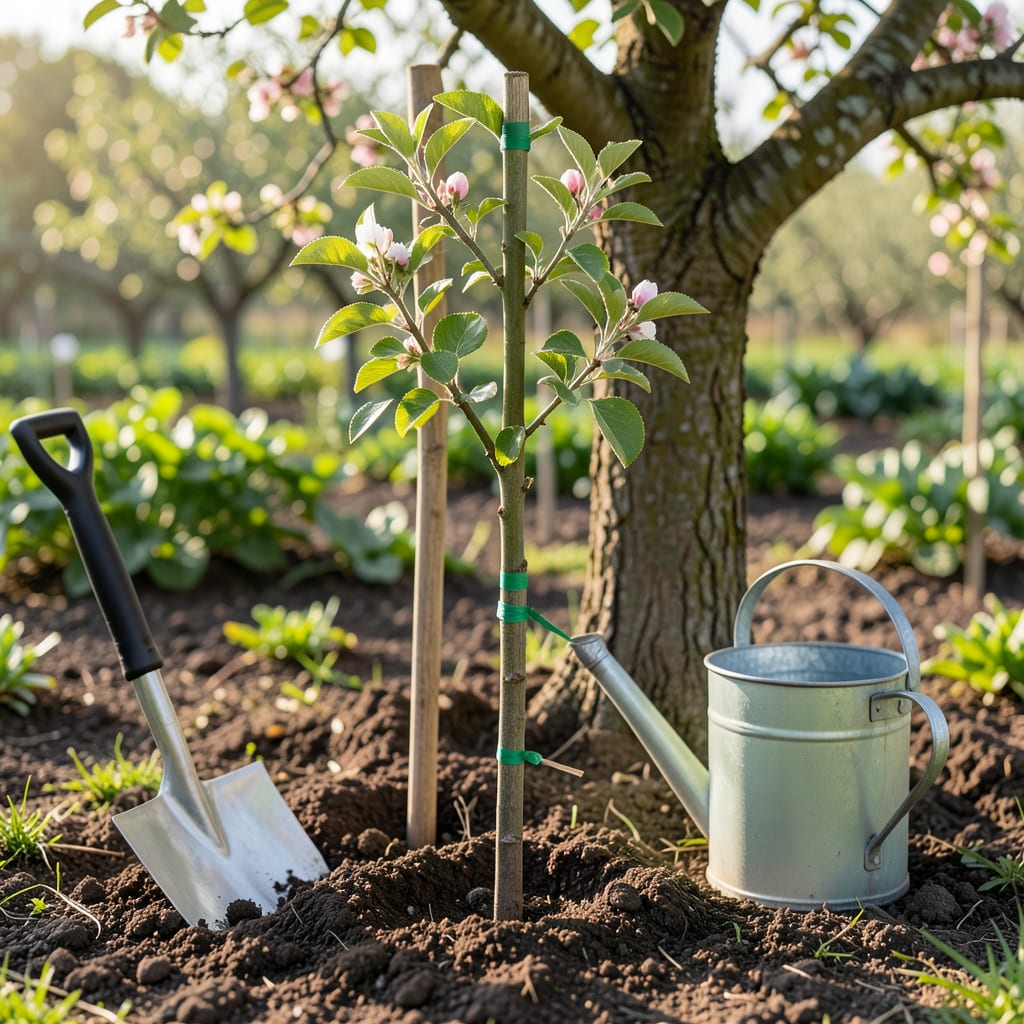
Timing is everything when it comes to planting Apple Trees in New York—get it right, and you’ll be rewarded with decades of crisp, homegrown fruit. But plant too early or too late, and you might watch your sapling struggle through harsh winters or summer droughts.
I’ve seen gardeners make costly mistakes by following generic advice that doesn’t account for NY’s unpredictable climate. Let me break down the exact windows—spring and fall—that give your trees the strongest start, plus the red flags to avoid. Your future orchard depends on it.
If you’re dreaming of homegrown New York apples, timing your planting is everything. NY’s climate gives us two prime windows: early spring and late fall. Each season has unique advantages, but getting it right means understanding soil temps, frost dates, and your tree’s dormancy cycle.
In Upstate NY, where winters linger, spring planting often starts later than in Long Island or the Hudson Valley. Fall planting, however, can give roots a head start before winter. The key? Avoid planting when the ground is frozen or waterlogged—your tree’s roots need to establish quickly.
| Region | Spring Window | Fall Window | Last Frost Date |
|---|---|---|---|
| Upstate NY | Mid-April to early May | Early October | May 10 |
| Hudson Valley | Late March to mid-April | Mid-October | April 20 |
| Long Island | Early March to early April | Late October | April 5 |
Note: Soil should be workable (not frozen or soggy) and above 40°F for best results.
For bare-root trees, early spring is ideal—plant as soon as the ground thaws. These trees need time to acclimate before summer heat. If you miss the spring window, fall planting (4-6 weeks before first frost) lets roots grow while the soil stays warm, giving trees a jumpstart come spring.
Container-grown trees offer more flexibility. You can plant them anytime during the growing season, but I still recommend spring or fall. Avoid summer planting—NY’s heat and drought stress young trees. If you must plant in summer, water deeply and provide temporary shade.
Why does fall often win? Cooler temps and autumn rains reduce transplant shock, while warm soil encourages root growth. Just ensure you plant at least 4-6 weeks before your region’s first frost. In Zone 5 (like Syracuse), that means wrapping up by early October. Zone 7 (NYC area) can push to late October.
Soil temperature is your secret weapon. Aim for 50–60°F—cool enough to avoid stress but warm enough for root activity. Use a soil thermometer (or check local ag extensions) to monitor. If your soil is below 40°F, roots won’t grow, and your tree may struggle to establish.
Pro tip: If you’re planting in clay-heavy soil (common in Western NY), amend with compost or sand to improve drainage. Apple trees hate “wet feet”—standing water suffocates roots. For sandy soils (Long Island), mix in organic matter to retain moisture and nutrients.
Still unsure? Here’s a quick rule of thumb: If the ground is workable (you can dig a hole without a pickaxe!) and nighttime temps stay above freezing, it’s a good time to plant. Avoid periods of extreme rain or drought—both stress young trees.
Remember, NY’s microclimates vary wildly. Coastal areas like Long Island have milder winters and earlier springs, while the Adirondacks stay colder longer. When in doubt, chat with your local nursery—they’ll know the quirks of your specific area. Happy planting! 🌱
Planting an apple tree in New York isn’t just about digging a hole—it’s about setting up your tree for decades of growth. I’ve seen too many gardeners lose trees because they skipped critical steps like soil prep or proper site selection. Let’s walk through the process to ensure your tree thrives.
First, choose your planting spot wisely. Apple trees need full sun (6-8+ hours daily) and well-draining soil. Avoid low spots where cold air or frost pockets form—these can damage blossoms. In windy areas, consider a windbreak to protect young trees from stress or physical damage.
⚠️ Critical Mistake to Avoid
Planting too deep is the #1 killer of young apple trees. The graft union (that knobby bump near the base) should sit 2-3 inches above soil level. Bury it, and your tree may suffocate or rot. When in doubt, plant slightly high—soil will settle over time.
Before planting, test your soil. NY soils vary from heavy clay (Western NY) to sandy loam (Long Island). Aim for a pH of 6.0–6.5. If your soil is too acidic, add lime; if it’s alkaline, mix in sulfur or peat moss. Amend poor soil with compost or aged manure to boost nutrients.
For bare-root trees, soak the roots in water for 1-2 hours before planting to rehydrate them. Dig a hole twice as wide as the root ball but no deeper. Spread the roots outward and backfill with native soil—don’t add fertilizer directly to the hole, as it can burn tender roots.
After planting, create a watering basin by mounding soil in a 3-foot diameter ring around the tree. This helps direct water to the roots. Mulch with 2-3 inches of wood chips, keeping mulch 3 inches away from the trunk to prevent rot. Water deeply (5 gallons) immediately after planting.
Stake your tree only if it’s in a windy location or the root ball is unstable. Use soft tree ties to avoid girdling the trunk. Remove stakes after one year to encourage strong trunk development. Finally, protect young trees from deer and rodents with a tree guard or wire mesh.
Your first year’s goal? Root establishment. Remove any flowers that form—letting the tree fruit too soon diverts energy from root growth. Monitor for pests like apple maggots or diseases like cedar apple rust, especially in NY’s humid summers. With the right start, your tree will reward you with bushels of apples for years to come! 🌳
Not all apple trees thrive equally in New York’s diverse climate. Choosing the right variety for your region—whether it’s the cold-hardy Empire for Upstate or the disease-resistant Liberty for humid areas—can make or break your harvest. Let’s match top varieties to NY’s microclimates and planting windows.
For Upstate NY (Zones 4-5), focus on cold-tolerant varieties like Macoun or Cortland. These handle late frosts and shorter growing seasons. In the Hudson Valley (Zone 6), Honeycrisp and Jonagold excel with their balance of sweetness and storage life. Long Island’s milder climate (Zone 7) suits Fuji and Gala, which need longer warmth to ripen fully.
| Variety | Best For | Planting Time | Key Traits |
|---|---|---|---|
| Empire | Upstate NY | Early spring | Cold-hardy, crisp, stores well |
| Honeycrisp | Hudson Valley | Fall preferred | Sweet, juicy, needs pollinator |
| Liberty | Humid Areas | Spring or fall | Disease-resistant, tart-sweet |
| Macoun | Cold Zones | Early spring | Spicy-sweet, late harvest |
| Fuji | Long Island | Fall for best results | Super-sweet, needs long season |
Tip: Pair with a pollination partner (e.g., Golden Delicious) for better fruit set.
Early-season varieties like Zestar! are perfect for short-growing-season areas (Adirondacks, Catskills). They ripen in late August, dodging early frosts. For late-season apples, Mutsu or Pink Lady thrive in warmer NY zones, harvesting into October.
Disease resistance is critical in NY’s humid summers. Liberty and Freedom varieties resist cedar apple rust and fire blight, reducing spray needs. If you’re organic, these are your best bets. For urban gardeners, dwarf varieties like Columnar Apples fit small spaces and containers.
Timing matters by variety too! Early bloomers (e.g., Gravenstein) need spring planting to avoid frost damage to flowers. Late bloomers (like Braeburn) can handle fall planting since they flower after frost risk passes. Always check your variety’s chill hour requirements—most NY apples need 800–1,000 hours below 45°F to fruit well.
Pro tip: Buy from NY nurseries—they’ll carry varieties grafted for local success. Avoid big-box stores with generic stock. Ask for “NY-hardy” rootstocks like M.9 (dwarfing) or MM.111 (semi-dwarf) for better cold tolerance. With the right match, your tree will reward you with bushels of apples for decades! 🌿
Fall often wins for Upstate NY because cooler temps and autumn rains reduce transplant shock. Aim for early October—soil stays warm enough for root growth before winter. Spring works too, but avoid late frosts that can damage new growth.
It’s risky in NY’s heat, but possible with extra care. Water daily and provide temporary shade. Morning planting helps reduce stress. If you must summer-plant, choose a cloudy day and mulch heavily to retain moisture.
Use a soil thermometer—roots won’t grow if temps are below 40°F. Ideal range is 50–60°F. If the ground is frozen or squishes water when squeezed, wait. Upstate NY often lags behind Long Island by 2-3 weeks in spring.
Planting too deep! The graft union (knobby bump) must stay 2–3 inches above soil. Burying it suffocates the tree. Also, skipping soil tests—NY’s clay or sandy soils often need amendments for drainage and nutrients.
Most varieties require a pollination partner within 50 feet. Exceptions like Liberty are self-fruitful but produce more with a mate. Check your variety’s needs—some need specific pollinators (e.g., Golden Delicious pairs well with many).
