
Beautiful Plants For Your Interior
Beautiful Plants For Your Interior
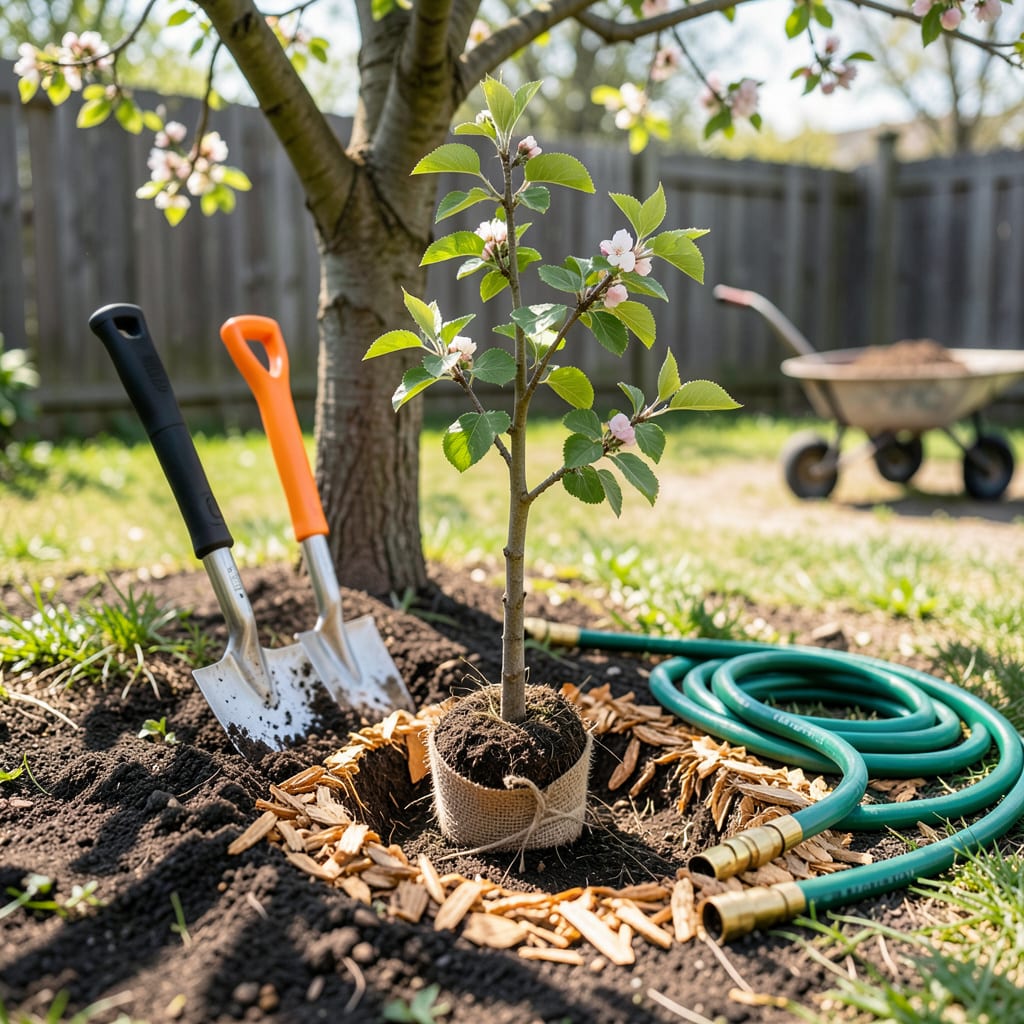
Timing is everything when it comes to planting apple trees in North Carolina—and get it wrong, and you might waste 10 years of growth. I’ve seen too many gardeners plant too late in spring or risk fall frosts, only to watch their saplings struggle.
The difference between a thriving orchard and a failed experiment often comes down to just a few weeks in late winter or early spring. Let’s break down the exact window for your region—whether you’re in the Piedmont’s clay soil or the mountains’ cooler elevations—so your 🍎 trees start strong.
If you’ve ever wondered why your neighbor’s apple trees thrive while yours struggle, the answer often lies in when you planted them. North Carolina’s diverse climate—from the coastal plains to the Appalachian Mountains—means planting windows vary dramatically. Get this wrong, and you risk frost damage or stunted growth.
In the Piedmont region, where clay soil dominates, the ideal window is late February through March. But head west to the mountains, and you’ll need to wait until early April to avoid late frosts. Timing isn’t just about calendar dates; it’s about soil temperature (above 40°F) and frost-free days.
| Region | Best Planting Months | Last Frost Date | Soil Prep Tip |
|---|---|---|---|
| Coastal NC | Jan–Feb | April 1 | Amend sandy soil with compost |
| Piedmont | Feb–March | April 15 | Break up clay soil with gypsum |
| Mountains | March–April | May 1 | Ensure drainage on slopes |
💡 Source: NC State Extension. Bare-root trees need dormant-season planting; container trees can go in early spring.
For bare-root trees, aim for dormant-season planting (Jan–Feb in Piedmont, Feb–March in mountains). These trees need time to establish roots before bud break. If you’re planting container-grown trees, you’ve got more flexibility—just avoid late fall, when unpredictable frosts can shock young roots.
Soil prep is non-negotiable. In the Piedmont’s heavy clay, I recommend testing drainage by digging a 12-inch hole and filling it with water. If it drains slower than 1 inch per hour, amend with compost or pine bark fines. Mountain gardeners should focus on terracing slopes to prevent erosion around roots.
Don’t forget chill hours—the cold period apple trees need to set fruit. Varieties like ‘Fuji’ (500–600 hours) thrive in the Piedmont, while ‘Granny Smith’ (700+ hours) prefers the cooler mountains. Check your local chill hour map (NC State Extension has a great tool) to match varieties to your microclimate.
Timing also affects pollination. Planting too late in spring can misalign bloom times with pollinator varieties. For example, if you plant a ‘Gala’ in April but its ‘Golden Delicious’ pollinator partner was planted in February, their blooms may not overlap. Sync planting times for cross-pollination success.
Post-planting care is just as critical. Mulch with 3–4 inches of wood chips (keep it 6 inches from the trunk!) to retain moisture and regulate soil temp. Water deeply once a week—no shallow sprinkles. And if you’re in the mountains, watch for late frosts in May; have frost blankets ready for young trees.
I’ve seen gardeners lose trees by planting in November, thinking “fall is fine.” But NC’s unpredictable early frosts can heave roots out of the ground. Stick to late winter/early spring unless you’re in the coastal region, where milder winters allow for January planting of bare-root stock.
Finally, mark your calendar for soil testing in late summer before planting season. NC’s Cooperative Extension offers free tests—aim for a pH of 6.0–6.5. Adjust with lime or sulfur in fall so your soil is perfect by planting time. This one step can double your tree’s growth rate in the first year.
Remember: A well-timed planting sets up your apple tree for a decade of harvests. Rush it, and you’ll spend years playing catch-up. When in doubt, consult your local NC Extension office—they’ve got hyper-local data that’s pure gold for gardeners.
Even with perfect timing, I’ve watched too many North Carolina gardeners lose their apple trees to avoidable mistakes. The first year is make-or-break, and these three errors account for 90% of failures I see in Piedmont backyards and mountain orchards alike.
The biggest killer? Planting too deep. If you bury the graft union (that knobby bump near the base), your tree will suffocate. I’ve dug up dead saplings where the graft was 6 inches underground—a guaranteed slow death. Keep it 2–3 inches above soil, or you’ll smother the rootstock.
💡 Pro tip: Mark your graft union with a bright ribbon before planting to avoid over-digging.
Next up: Ignoring soil pH. NC’s native soil often hovers around pH 5.0–5.5—too acidic for apples. I’ve tested Piedmont yards where the pH was 4.8, stunting trees before they even leafed out. Grab a $10 soil test kit or send a sample to NC Extension. If your pH is low, add pelletized lime in fall; if it’s high, mix in elemental sulfur.
The third silent killer? Misjudging chill hours. That ‘Granny Smith’ you love needs 700+ chill hours—but Raleigh only gets 600–650. Result? No fruit. Stick to low-chill varieties like ‘Anna’ (300 hours) or ‘Dorsett Golden’ (400 hours) in warmer zones. Mountain gardeners can push higher-chill varieties, but Piedmont folks must check the map (NC Extension’s tool is free).
Here’s a mistake I see even experienced gardeners make: Skipping mulch. Bare soil around a new apple tree is an invitation for weeds, temperature swings, and moisture loss. I use 4 inches of wood chips (but never touch the trunk—that’s rot city). In the mountains, add an extra inch to insulate roots from late frosts. Coastal gardeners, opt for pine straw—it lets sandy soil breathe while retaining moisture.
Watering wrong rounds out the top five. Too little, and roots dry out; too much, and they drown. The rule: Deep water once a week (5 gallons for new trees). Use a soaker hose on a timer—no overhead sprinklers. I’ve saved drowning trees by switching to drip irrigation and watching for yellowing leaves (overwatering) or wilting (underwatering). Mountain folks, cut back to every 10 days if rainfall tops 1 inch.
Finally, don’t overlook deer and rodent protection. I lost three saplings in one season to hungry whitetails. Wrap trunks with hardware cloth (not plastic—it traps moisture) and spray deer repellent monthly. In suburban areas, rabbit guards are a must; those critters will gnaw a tree to the ground overnight. A $20 fence now saves a $100 tree later.
Fix these six issues, and you’ll leapfrog most NC gardeners’ first-year struggles. The secret isn’t luck—it’s avoiding the pitfalls that kill 80% of new apple trees. When in doubt, snap a photo of your tree’s base and leaves, and email it to your county’s NC Extension agent. They’ll spot problems before it’s too late 🌱.
If you’re eager to bite into homegrown apples without waiting a decade, choosing the right variety for North Carolina’s climate is key. Not all apple trees thrive equally here—some need more chill hours than our winters provide, while others succumb to humidity-driven diseases like cedar apple rust.
In the Piedmont and coastal regions, where winters are milder, focus on low-chill varieties like ‘Anna’ (300 chill hours) or ‘Dorsett Golden’ (400 chill hours). These can produce fruit in as little as 3–4 years if given full sun and well-drained soil. Mountain gardeners can experiment with slightly higher-chill varieties like ‘Fuji’ (500–600 hours), but avoid anything requiring more than 700 chill hours unless you’re above 2,500 feet.
| Variety | Chill Hours | Best for NC Region | Years to Fruit | Disease Resistance |
|---|---|---|---|---|
| Anna | 300 | Piedmont, Coastal | 3–4 | Moderate (fire blight) |
| Dorsett Golden | 400 | Statewide | 4–5 | High (scab-resistant) |
| Fuji | 500–600 | Piedmont, Mountains | 5–6 | Low (needs sprays) |
| Granny Smith | 700+ | Mountains only | 6–7 | Moderate (cedar rust) |
💡 Tip: Pair early-blooming ‘Anna’ with ‘Dorsett Golden’ for cross-pollination success in warmer zones.
For small spaces, opt for dwarf or semi-dwarf rootstocks. A ‘Gala’ on M.9 rootstock stays under 10 feet tall but still yields 50–100 apples annually. Semi-dwarf trees (like those on MM.106 rootstock) reach 12–16 feet—ideal for backyard orchards. Standard-size trees (20+ feet) are best left to large properties unless you’re prepared for aggressive pruning.
Don’t overlook pollination requirements. Most apple varieties need a second tree within 50 feet for cross-pollination. If space is tight, plant a ‘Golden Delicious’—it’s a universal pollinator for nearly all varieties. For self-fruitful options, try ‘Alkmene’ or ‘Cox’s Orange Pippin’, though yields improve with a pollination partner.
To speed up your first harvest, start with 2–3-year-old trees from a reputable nursery. Avoid bargain-bin saplings—they’re often stressed or diseased, setting you back years. I’ve had the best luck with NC-grown trees from nurseries like Big Horse Creek Farm (they specialize in Southern-adapted varieties). Always plant in full sun (6+ hours daily) and amend soil with composted manure for a nutrient boost.
Once planted, focus on consistent moisture and annual pruning. Young trees need 1–2 inches of water weekly (more in sandy coastal soil). Prune in late winter to remove dead wood and shape the canopy—this directs energy toward fruit production. In the Piedmont, watch for fire blight (blackened branches) and prune 8 inches below infected areas, sterilizing tools with rubbing alcohol between cuts.
With the right variety and care, you could be harvesting your first apples in 3–5 years. Stick to low-chill, disease-resistant picks, and you’ll spend less time spraying and more time enjoying crisp, homegrown fruit straight from the tree 🌳.
Late winter (Feb) is ideal for bare-root trees—they establish roots before spring growth. Early spring (March-April) works for container-grown trees. Avoid fall planting in NC due to unpredictable early frosts.
No—mountain regions need to wait until April to avoid late frosts, while Piedmont can plant as early as February. Always check your local last frost date before planting.
Planting after bud break stresses the tree, delaying root establishment. Late-planted trees are more vulnerable to drought and may not fruit for 1–2 extra years.
Yes! Low-chill varieties like ‘Anna’ can go in earlier (Feb), while high-chill types (e.g., ‘Granny Smith’) need later planting (March-April) to align with their dormancy needs.
Test soil temp—it should be above 40°F. Dig a 12-inch hole: if it drains 1+ inch/hour, it’s ready. Amend clay with compost or sandy soil with organic matter before planting.
