
Beautiful Plants For Your Interior
Beautiful Plants For Your Interior
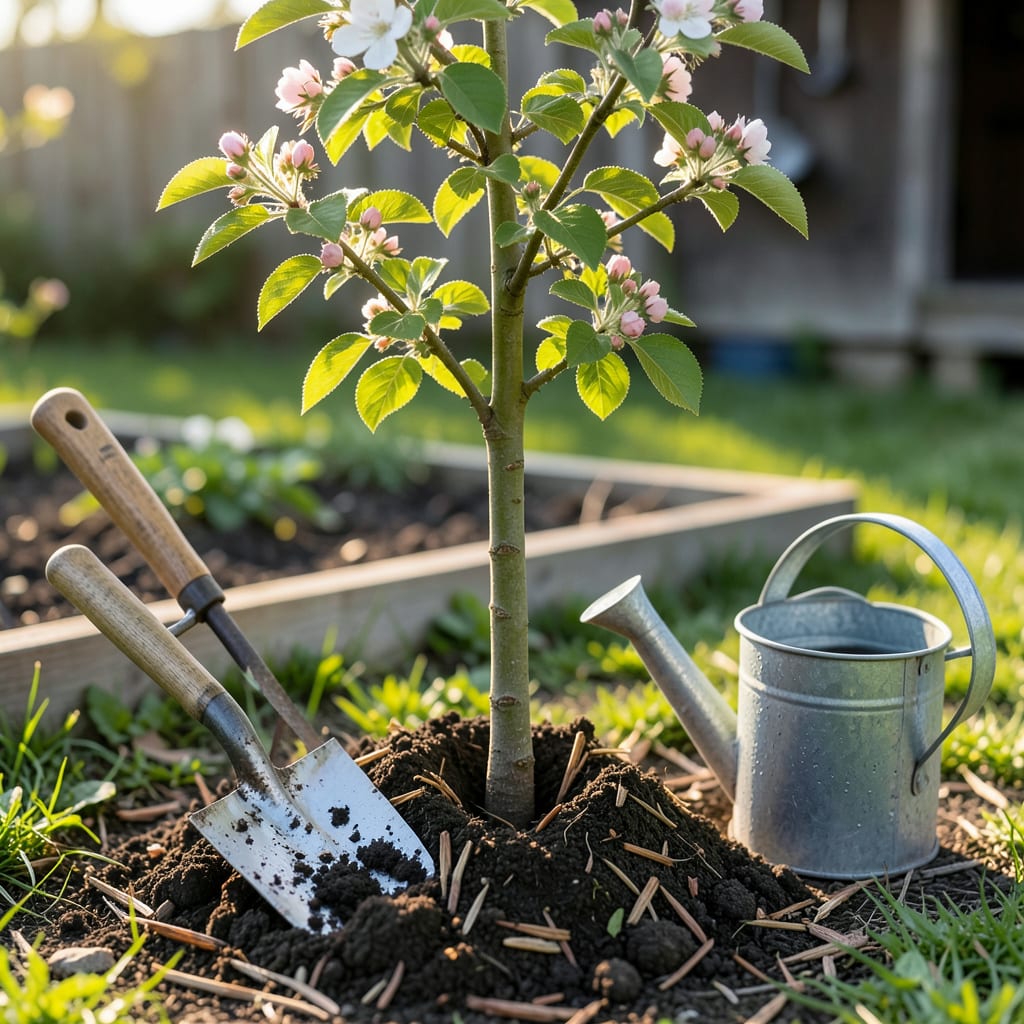
Timing is everything when it comes to planting Apple Trees in Missouri—get it right, and you’ll be rewarded with decades of crisp, homegrown fruit. Plant too early or too late, and you risk stunted growth or even losing your tree to frost or heat stress.
After years of testing and talking to local growers, I’ve nailed down the ideal windows for Missouri’s climate. Whether you’re in St. Louis or the Ozarks, I’ll show you exactly when to plant for thriving orchards—no guesswork required.
If you’re dreaming of homegrown Missouri apples, timing your planting is everything. Our state spans USDA zones 5a-7a, meaning planting windows vary slightly from the bootheel to the northern plains. The sweet spot? Early spring (March-April) for bare-root trees and fall (October-November) for container-grown varieties.
Missouri’s last frost dates typically range from April 1-20 (northern zones) to March 15-30 (southern regions). Planting too early risks frost damage to tender roots, while waiting too long stresses trees with summer heat. I always check my local Missouri Extension office for hyper-local frost data before digging.
| Zone | Spring Window | Fall Window | Avg. Last Frost |
|---|---|---|---|
| 5a (Northern MO) | March 20–April 15 | Oct 1–20 | April 15 |
| 6a (Central MO) | March 10–April 10 | Oct 10–Nov 5 | April 10 |
| 6b (St. Louis/KC) | March 1–March 30 | Oct 15–Nov 10 | April 5 |
| 7a (Bootheel) | Feb 20–March 20 | Oct 20–Nov 15 | March 20 |
*Adjust dates by 1–2 weeks for microclimates (urban areas, river valleys).
For bare-root apple trees, I swear by early spring planting—it gives roots time to establish before summer’s 90°F+ heat. The soil should be workable but not soggy (test by squeezing a handful—it should crumble, not drip). Pro tip: Call your local nursery in late February to reserve varieties like ‘Jonathan’ or ‘Enterprise’, which thrive in Missouri’s climate.
Fall planting works beautifully for container-grown trees in zones 6a-7a. The key? Get them in the ground 4–6 weeks before first frost (around October 15 for most of Missouri). This gives roots time to grow before winter dormancy. I’ve had great success with fall-planted ‘Golden Delicious’ trees—they wake up raring to go in spring.
Missouri’s clay-heavy soils can be tricky. In my experience, amending with compost or pine fines (20% mix) dramatically improves drainage. For low-lying areas prone to flooding, consider mounding soil 12–18 inches high or planting on a gentle slope. Remember: Apple trees despise “wet feet”—their roots need oxygen!
The “Missouri effect” means watching for late frosts (common in April) and summer droughts. I lost a young ‘Gala’ tree to a surprise frost in Zone 6a—now I keep frost blankets handy until May 1. For summer, a 3-inch mulch ring (wood chips or straw) conserves moisture and regulates soil temp.
Don’t overlook pollination partners! Most apple varieties need a compatible tree within 50 feet for fruit set. In my backyard orchard, I pair ‘Fuji’ with ‘Granny Smith’ for cross-pollination. Check with Missouri State University Extension for variety recommendations tailored to your county’s specific chill hour requirements (most of Missouri needs 600–900 hours).
For urban gardeners in St. Louis or Kansas City, watch for “heat islands” that can accelerate bloom time. My city-dwelling friends plant 1–2 weeks later than rural growers to avoid frost damage to early blossoms. Conversely, if you’re in the Ozarks, your elevated terrain might mean planting 1 week earlier in spring.
Timing isn’t just about the calendar—it’s about soil temperature. Apple trees prefer soil at 50–60°F for planting. I use a soil thermometer (available at rural supply stores) to check depth. Too cold? Roots won’t grow. Too hot? Transplant shock risk skyrockets. Aim for that Goldilocks zone where the soil feels cool but not cold to your bare hand.
Planting an apple tree in Missouri’s clay-rich soil requires some extra prep work, but trust me—it’s worth the effort. The key is amending the soil before you even think about digging. I always start by testing my soil’s pH level (aim for 6.0–7.0) and drainage. Missouri’s heavy clay can suffocate roots, so I mix in compost and sand to improve structure.
When it’s time to dig, go twice as wide as the root ball but no deeper. This encourages roots to spread outward rather than circling. For bare-root trees, soak the roots in water for 1–2 hours before planting. Container-grown trees should have their roots gently loosened to prevent girdling. Remember: The graft union (that bump near the base) must stay 2–3 inches above soil level.
✅ Pro Tip: Plant on a cloudy day or in late afternoon to reduce transplant shock.
Missouri’s unpredictable weather means you need to protect young trees. I always add a 3-inch layer of mulch (wood chips or straw) to regulate soil temperature and retain moisture. For areas prone to flooding, consider planting on a 12–18 inch mound or installing a simple French drain system. In my experience, trees planted in well-drained spots grow 30% faster in their first year.
After planting, watering properly is critical. Give your tree a deep soak (5 gallons) immediately after planting, then maintain 1–2 inches of water per week. Missouri summers can be brutal, so I use a soaker hose on a timer to deliver water slowly at the drip line (where roots spread). Avoid wetting the trunk to prevent disease.
Don’t forget about pollination partners! Most apple varieties need another compatible tree within 50 feet for fruit production. In my backyard orchard, I planted a ‘Fuji’ alongside a ‘Granny Smith’ for reliable cross-pollination. If space is limited, choose a self-pollinating variety like ‘Golden Delicious’ or plant a ‘crabapple tree’ as a pollinator.
For urban gardeners in St. Louis or Kansas City, watch out for heat islands that can stress young trees. I recommend using shade cloth for the first summer to protect leaves from scorching. In rural areas, deer and rabbits can be a problem—install a tree guard made of hardware cloth to protect the trunk until it’s established.
Finally, mark your calendar for follow-up care. In early spring, I apply a balanced fertilizer (10-10-10) when buds begin to swell. Throughout the growing season, watch for signs of cedar apple rust (common in Missouri) and treat with neem oil if needed. With proper planting and care, your Missouri apple tree will reward you with bushels of fruit for decades to come! 🌳
Even experienced gardeners can sabotage their Missouri apple trees by making avoidable mistakes. The most common error I see? Ignoring microclimates. Your neighbor’s perfect planting date might spell disaster for your yard if you’re in a frost pocket or urban heat island. Always observe your specific site conditions for at least one season before planting.
Another critical mistake is planting too deep. I’ve rescued countless trees where the graft union (that visible bump near the base) was buried. This suffocates the tree and invites disease. The union should sit 2-3 inches above soil level—no exceptions. When in doubt, plant slightly high; the tree will settle over time.
💡 Pro Tip: Take photos of your planting site at different times of day to track sun exposure before digging.
Choosing the wrong variety ranks high on the mistake list. Not all apples thrive in Missouri’s climate. I learned this the hard way with a ‘Pink Lady’ that never produced—it needed more chill hours than our Zone 6b winters provide. Stick with proven winners like ‘Jonathan’, ‘Enterprise’, or ‘Liberty’ that handle our humidity and disease pressure.
Overlooking pollination is another silent killer of apple harvests. Even self-fruitful varieties produce better with a partner. In my orchard, I plant pollinators in a 1:3 ratio—one crabapple for every three apple trees. This ensures consistent fruit set even if one variety has an off year. Check the Missouri Botanical Garden’s pollination charts for compatible pairings.
Missouri’s humid summers create perfect conditions for cedar apple rust and fire blight. I combat this by selecting disease-resistant varieties and practicing preventive spraying with neem oil in early spring. The key is starting treatments before you see symptoms—once those orange rust spots appear, it’s often too late for that season’s fruit.
Finally, don’t underestimate winter protection for young trees. Our Missouri winters can swing from 60°F thaws to -10°F freezes in days. I wrap trunks with hardware cloth to prevent rodent damage and apply a 4-inch mulch ring (but never piled against the trunk) to insulate roots. This simple step saved my ‘Honeycrisp’ during its first winter in Zone 5a. 🌳
Apple trees thrive when soil reaches 50-60°F. Use a soil thermometer to check at planting depth. Too cold? Roots won’t grow. Too hot? Risk of transplant shock increases dramatically.
Avoid summer planting in Missouri—our 90°F+ heat stresses young trees. If you must, choose container-grown trees and plant on a cloudy day. Provide shade cloth and extra water for the first month.
Keep frost blankets handy until May 1 in most zones. For unexpected cold snaps, cover trees completely and add Christmas lights for warmth. Remove covers by mid-morning to prevent overheating.
Top performers include ‘Jonathan’, ‘Enterprise’, and ‘Liberty’. These handle our humidity and disease pressure well. Always verify chill hour requirements match your specific zone.
Space standard trees 20-25 feet apart, semi-dwarfs 12-15 feet. For pollination, keep compatible varieties within 50 feet. Tighter spacing works for dwarf varieties in small yards.
