
Beautiful Plants For Your Interior
Beautiful Plants For Your Interior
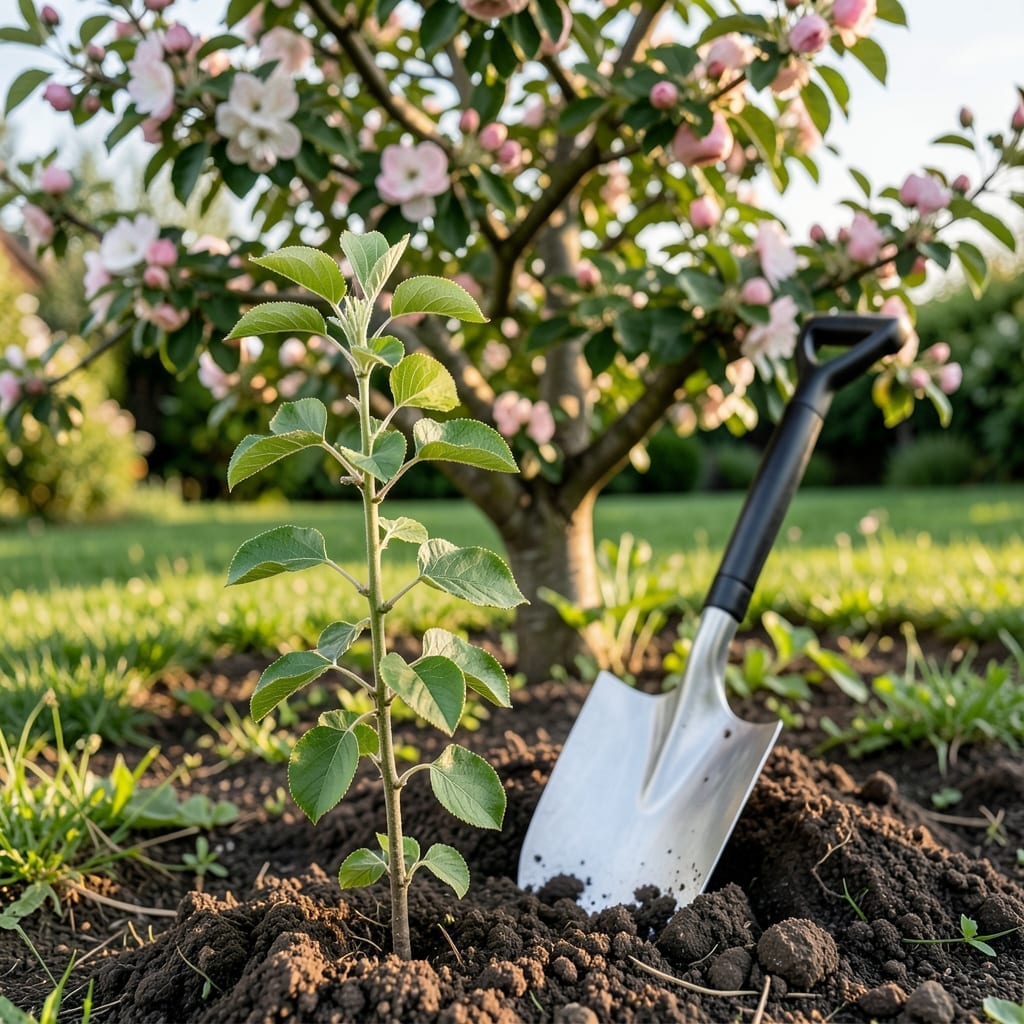
Timing is everything when planting Apple Trees in Connecticut—plant too early or too late, and you risk stunted growth or even tree loss. This isn’t just about following a calendar.
CT’s unique climate in zone 6a demands a strategic approach to give your 🍎 trees the best start. Whether you’re dreaming of a backyard orchard or just want a single tree, the planting window can make or break your success.
I’ve seen too many gardeners struggle because they didn’t respect the seasonal rhythms. The good news? There are two ideal windows each year when conditions are just right.
Discover exactly when to plant and why these specific times work best for thriving trees in our state. Your future harvest depends on getting this right.
Connecticut’s USDA zones 5-7 create a unique planting window for apple trees. The ideal time is early spring or fall, when the soil is workable and temperatures are mild. This timing helps roots establish before summer heat or winter frost.
I’ve found that March to early April works best for bare-root trees, while September to November is perfect for container-grown trees. Avoid planting during extreme cold or heat to prevent stress on young trees.
| Season | Months | Tree Type | Key Benefit |
| Early Spring | March-April | Bare-root | Root growth before summer |
| Fall | Sept-Nov | Container-grown | Establish before winter |
| Late Spring | May | Container-grown | Good with proper care |
In early spring, the ground thaws, allowing roots to spread before summer. I always check that the soil isn’t waterlogged from snowmelt. Well-drained soil is critical to prevent root rot in young apple trees.
Fall planting gives trees a head start for the next growing season. The cooler temperatures reduce stress, and autumn rains help with root establishment. Just ensure you plant at least 6 weeks before the first hard frost, which in CT is typically around October 15.
For bare-root trees, timing is even more crucial. These need to be planted while dormant, so early spring is your best bet. If you miss this window, container-grown trees can be planted in late spring or fall with proper care.
Connecticut’s climate variability means microclimates can affect planting times. In coastal areas, you might plant a bit earlier in spring or later in fall due to milder temperatures. Inland areas with harsher winters may require sticking strictly to the recommended windows.
I always recommend testing your soil pH before planting. Apple trees prefer a pH of 6.0-7.0. If your soil is too acidic, you can amend it with lime in the months leading up to planting.
Remember, proper spacing is key for long-term health. Standard apple trees need 20-30 feet between plants, while dwarf varieties can be spaced 8-10 feet apart. This ensures good air circulation and reduces disease risk.
Finally, mulching after planting helps retain moisture and regulate soil temperature. I use 2-3 inches of organic mulch, keeping it 6 inches away from the trunk to prevent rot. This simple step can make a big difference in your tree’s first year. 🌳
Planting apple trees in Connecticut starts with site selection. I always pick a spot with full sun (at least 6+ hours daily) and well-draining soil to prevent root rot. Test your soil’s pH—apple trees thrive in slightly acidic soil (pH 6.0-7.0). 🌳
Next, prepare the planting hole—it should be twice as wide as the root ball but no deeper. Loosen the soil at the sides to help roots spread easily. If your soil is heavy clay, mix in compost or peat moss to improve drainage and aeration. ✂️
In Connecticut, spacing is critical. Standard apple trees need 20-25 feet apart, while dwarf varieties can be planted 8-10 feet apart. This ensures proper air circulation, reducing the risk of fungal diseases like apple scab. 🌿
Post-planting care is just as important. I water my newly planted apple trees weekly for the first month, then taper off unless the weather is dry. Avoid overwatering—soggy soil can suffocate the roots. A slow drip at the base works best. 💧
Finally, monitor for pests like apple maggots or codling moths, which are common in CT. Use organic sprays or pheromone traps if needed. With the right start, your apple tree will establish strong roots and reward you with fruit for years. 🌱
Remember, Connecticut’s climate can be unpredictable. If a late frost is forecasted after planting, protect young trees with frost cloth or a burlap wrap. This small step can save your investment and ensure a healthy, productive tree. ☀️