
Beautiful Plants For Your Interior
Beautiful Plants For Your Interior
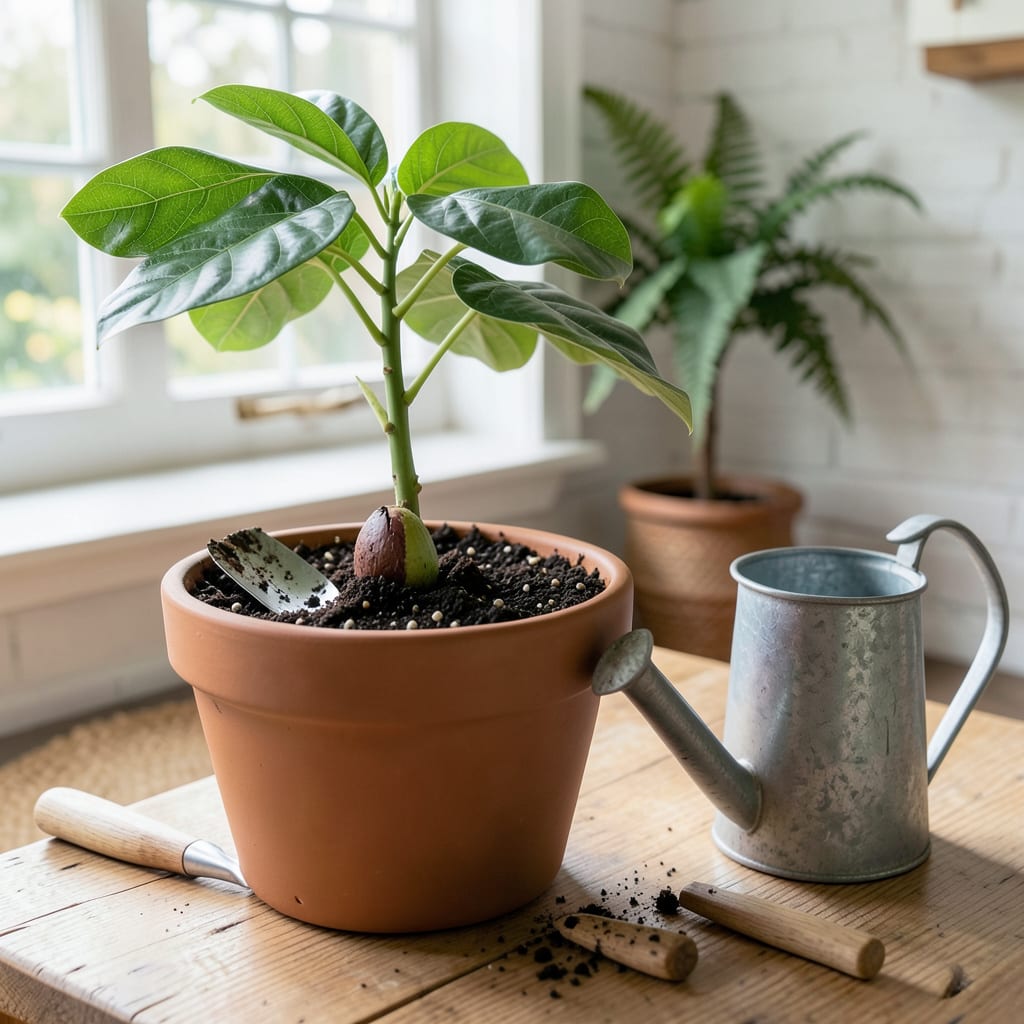
That moment when your 🥑 avocado seed finally sprouts roots is pure magic—but plant it in soil too soon, and you might watch all that progress vanish overnight. I’ve seen too many eager gardeners rush this step, only to end up with a sad, rotting seed instead of a thriving tree.
The difference between success and failure often comes down to perfect timing. Whether you’re in USDA Zone 6a or growing indoors, I’ll break down exactly when to make the move—so your avocado seed doesn’t just survive, but thrives from day one.
If you’ve ever watched an avocado seed sprout in water, you know how exciting it is to see those first tiny roots emerge. But here’s the catch: moving it to soil too soon can kill your progress. The ideal time depends on your climate—whether you’re in a tropical paradise or a cooler region.
For most gardeners, spring is prime time. Specifically, March through May works best in USDA Zones 6a-11, once soil temps hit 60°F or higher. If you’re in a frost-prone area, wait until after your last frost date—usually mid-April.
| Climate Zone | Best Planting Months | Key Considerations |
|---|---|---|
| Tropical (Zones 10-11) | Year-round | No frost risk; avoid rainy season to prevent rot. |
| Temperate (Zones 7-9) | March–May | Wait until soil reaches 60°F; protect from late frosts. |
| Cold (Zones 3-6) | May–June | Start indoors in pots; transplant outside after last frost. |
| Indoor (Any Zone) | Anytime | Use a south-facing window or grow lights; maintain 70°F+ temps. |
In tropical climates, you can plant avocado seeds year-round, but avoid the heaviest rainy months. Too much moisture early on can cause root rot before the seedling establishes. For indoor growers, timing is more flexible—just ensure your seed has 3-4 inch roots before moving it to soil.
If you’re in a colder region, consider starting your seed indoors in late winter. Use a heat mat to keep soil warm, then transplant outside once nighttime temps stay above 50°F. This gives your seedling a head start before outdoor conditions are ideal.
One mistake I see often? Planting too early in spring rains. Even in warm zones, soggy soil can suffocate new roots. If your area gets heavy spring showers, plant in well-draining pots first, then move to garden beds once the ground dries slightly.
For USDA Zone 6a gardeners like me, the sweet spot is late April to early May. That’s when soil temps stabilize, and the risk of a surprise frost drops. If you’re eager to start earlier, use a cloche or row cover to protect young seedlings from chilly nights.
Pro tip: Check your local last frost date—it’s the golden rule for timing. In my garden, I mark April 15 on the calendar and wait until a week after that to plant. That extra buffer ensures no late frosts will shock my avocado seedling just as it’s getting established.
If you’re growing indoors only, you’ve got more flexibility. Just remember that avocado trees need 6+ hours of sunlight daily. A south-facing window is ideal, but if your home lacks natural light, supplement with a grow light placed 12 inches above the seedling.
Finally, don’t forget about soil temperature—it’s just as important as air temperature. Use a soil thermometer to check that it’s consistently above 60°F at a 2-inch depth. Cold soil slows root growth and can even cause the seed to rot before it sprouts.
By matching your planting time to your climate and conditions, you’ll give your avocado seed the best shot at thriving. Whether you’re in Florida or Michigan, timing it right means less stress for you—and a healthier, faster-growing tree for years to come. 🌱
Once you’ve decided it’s the right time to plant, preparing your avocado seed properly is key. I’ve learned the hard way that skipping steps like cleaning the seed or using the wrong soil can set you back weeks—or worse, kill your seedling before it even starts.
Start by gently cleaning the seed to remove any remaining fruit. A soft brush under lukewarm water works best. Avoid harsh soaps or scrubbing too hard, as this can damage the seed coat, which protects the embryo inside. Let it air-dry for 24 hours before sprouting. 🌱
One critical mistake I see is planting too deep. If you bury the entire seed, it can’t get the oxygen it needs to sprout properly. The top half should always stay above soil to allow the stem to push through without resistance. Think of it like a tiny turtle—it needs room to poke its head out! 🪴
If your seed isn’t sprouting after 6-8 weeks in water, don’t give up. Try scarifying the seed by gently rubbing it with sandpaper to break the outer shell. Sometimes, the seed coat is too tough, and this helps moisture penetrate. Just be careful not to damage the inner embryo.
For indoor growers, humidity matters. Avocado seeds thrive in 40-60% humidity. If your home is dry, place the pot on a pebble tray with water or use a humidifier nearby. Avoid misting the leaves directly, as this can encourage fungal growth.
Remember, patience is your best tool. Rushing the process by planting too soon or overwatering almost always backfires. I once lost three seeds in a row by moving them to soil after just 1 week in water—the roots weren’t strong enough to handle the transition. Now, I wait until roots are thick and at least 3 inches long before making the move. ✅
Once planted, resist the urge to fertilize immediately. Your seed has all the nutrients it needs to start. Wait until you see true leaves (not just the initial sprout) before introducing a diluted balanced fertilizer. This usually takes 4-6 weeks after planting in soil.
Knowing exactly when your avocado seed is ready for soil can feel like solving a puzzle. I’ve made the mistake of planting too early—and watched my seed rot in damp soil—and waited too long, only to have the roots become tangled and stunted. The key is watching for three critical signs.
First, check the root length. Your seed needs at least 3-4 inches of thick, white roots before it’s ready. Thin, wispy roots aren’t strong enough to handle soil yet. If they’re shorter than 2 inches, give it more time in water. This usually takes 4-8 weeks, depending on warmth and light. 🌱
Planting before your seed shows these signs can lead to:
Wait until you see both roots AND a stem sprout—this means your seed has enough stored energy to transition successfully.
The second sign is a visible stem sprout. Once the top of the seed cracks open and a green shoot emerges (usually 1-2 inches tall), your seed is signaling it’s ready for more nutrients. Without this sprout, the seed is still relying on its internal food supply and isn’t prepared for soil life.
Finally, look at the seed itself. A ready seed will have a slightly split or softened shell. If it’s still smooth and hard, it needs more time. I like to give it a gentle squeeze—if the outer shell yields slightly, it’s a good sign. If it feels like a rock, keep it in water for another week or two. 🌿
If your seed has been in water for over 8 weeks without sprouting, try this trick: wrap it in a damp paper towel, place it in a sealed bag, and keep it in a warm, dark spot (like the top of your fridge) for 3-5 days. The extra moisture and warmth can kickstart germination. Just check daily for mold.
Remember, patience pays off. I once waited 10 weeks for a stubborn seed to sprout, and it’s now my healthiest avocado tree. Rushing leads to disappointment, but giving your seed the time it needs sets you up for a thriving plant that could bear fruit in just a few years. ✅
Wait until roots reach 3-4 inches long and appear thick/white. Thin or shorter roots (under 2 inches) aren’t ready for soil transition. This typically takes 4-8 weeks in water.
It’s possible but risky. Direct soil planting has lower success rates (about 30%) because moisture levels are harder to control. Water sprouting first gives roots a head start and lets you monitor growth.
Soil should be consistently above 60°F at 2-inch depth. Use a soil thermometer to check. Cold soil (below 55°F) slows germination and risks rot. In cooler climates, use a heat mat to warm soil.
Watch for these red flags: dark brown/black roots, foul odor, or mushy seed coat. Healthy roots are white/cream-colored and firm. If rot appears, remove affected parts and start fresh with a new seed.
Wait until nighttime temps stay above 50°F and your seedling has 4-6 true leaves. Acclimate it gradually by placing outdoors for 2-3 hours daily, increasing exposure over 7-10 days. Sudden moves cause shock.
