
Beautiful Plants For Your Interior
Beautiful Plants For Your Interior
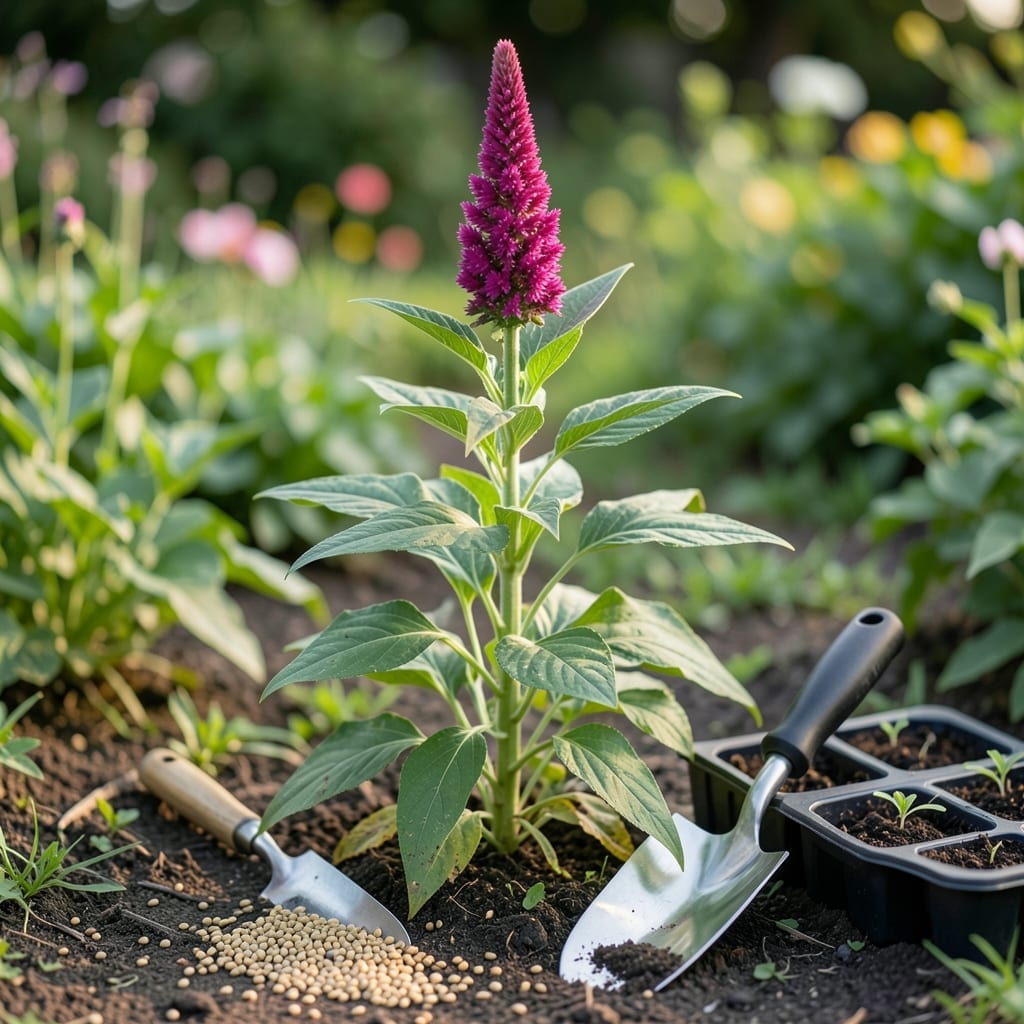
Timing is everything when growing 🌿 Amaranth, a warm-weather champion that rewards patience. Plant too early in cold soil, and you might watch your efforts wither before they even begin.
I’ve learned through trial and error that waiting for the soil to warm to at least 60°F makes all the difference. This simple step ensures your seeds have the best chance to thrive from day one.
Discover how to nail the perfect planting window for your climate and set your garden up for a bountiful harvest this season.
Getting the timing right for amaranth means understanding your local climate. This warm-season crop needs soil temps above 60°F to germinate properly. In cooler zones, I always wait until 2-3 weeks after the last frost date.
For gardeners in USDA zones 7-11, you can often plant earlier than those in zones 4-6. The key is watching both air temperature and soil warmth, not just the calendar date.
🌱 Amaranth Planting Guide by Zone
| Zone | Planting Window | Special Notes |
|---|---|---|
| 4-5 | Late May to early June | Wait for consistent warmth |
| 6-7 | Mid-April to May | After last frost passes |
| 8-9 | March to April | Early start possible |
| 10-11 | February to March | Watch for late frosts |
In hot climates, I’ve found that late summer planting can work for a fall harvest. Just ensure you have 90 frost-free days before your first expected frost.
For cool climates, starting seeds indoors 4-6 weeks before transplanting can extend your growing season. Use peat pots to minimize root disturbance when moving seedlings outside.
The soil thermometer is my secret weapon. I check temps at 2-inch depth in the morning. If it’s consistently above 60°F, it’s go time for direct sowing.
Remember that microclimates matter. A south-facing wall or dark mulch can create warmer pockets in your garden, allowing for slightly earlier planting.
In my experience, succession planting works well with amaranth. I sow new seeds every 2-3 weeks until midsummer for continuous harvests.
Finally, always check your local weather forecasts. An unexpected cold snap can set back even the hardiest amaranth seedlings. A little patience pays off with stronger, more productive plants. 🌱
Before planting amaranth, I always check for key soil conditions that ensure successful germination. The most critical factor is soil temperature—it must stay above 60°F for at least a week.
I use a simple soil thermometer to test at a 2-inch depth in the morning. If it reads consistently warm, my seeds are ready to go in. This small step prevents many early-season disappointments.
🌱 5 Soil Readiness Checks for Amaranth
Another quick test I use is the “squeeze test”. Grab a handful of soil and squeeze it—if it holds shape but crumbles when poked, it’s perfect for planting. If it stays in a ball, it’s too wet.
I also look for earthworm activity as a natural indicator. Their presence means your soil has good organic matter and drainage, which amaranth loves.
Finally, I always water the area a day before planting. This ensures the seeds have immediate access to moisture. But remember, good drainage is crucial to prevent rot. 🌿