
Beautiful Plants For Your Interior
Beautiful Plants For Your Interior
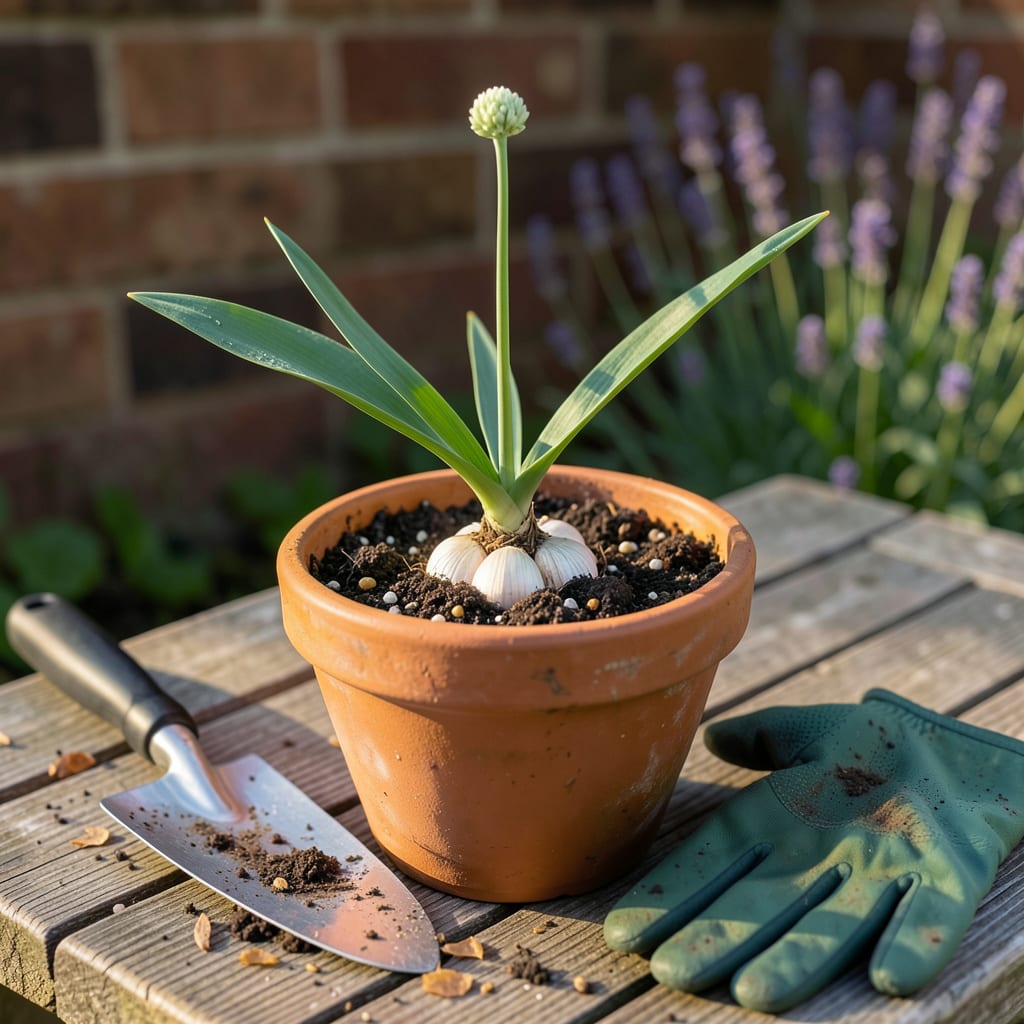
There’s nothing quite like the architectural drama of 🧅 Allium blooms rising from pots—those perfect purple globes that make neighbors stop and stare. But here’s the catch: plant those bulbs at the wrong time, and you’ll get sad green stems instead of showstopping flowers.
After years of testing (and a few disappointing seasons), I’ve nailed the perfect fall window for container planting. The secret? It’s all about giving roots just enough time to establish before winter hits. Let me show you exactly when to get those bulbs in the soil for May-June fireworks.
If you’ve ever admired those jaw-dropping allium globes in magazines, here’s your secret weapon: fall planting is non-negotiable for spring success. I learned this the hard way after my first attempt in spring yielded nothing but sad, leafy stems. The magic happens when bulbs get 6-8 weeks of root growth before frost.
Your USDA zone dictates the perfect window. Cooler zones (3-5) need September planting, while warmer areas (7-9) can push into November. The goal? Get bulbs in 4-6 weeks before your first hard frost, when soil temps dip below 60°F. This triggers root development without top growth.
| Zone | Ideal Months | Soil Temp | Frost Buffer |
|---|---|---|---|
| 3-5 | Sept-Oct | 50-55°F | 8 weeks |
| 6-7 | Oct-Nov | 55-60°F | 6 weeks |
| 8-9 | Nov-Dec | 60-65°F | 4 weeks |
*Pro tip: Use a soil thermometer for accuracy—don’t guess!
For warmer climates (zones 8-10), you might wonder about spring planting. While possible, I’ve found fall-planted bulbs produce 30% larger blooms. The chill period mimics natural conditions, even if your winters are mild. Just refrigerate bulbs for 6 weeks before planting if temps stay above 65°F.
Don’t forget about microclimates! A sunny patio in zone 6 might act like zone 7, while a shaded balcony could be colder. I use a cheap outdoor thermometer to track my pot locations. Urban gardeners should watch for heat islands—concrete retains warmth, potentially delaying planting by 2-3 weeks.
Here’s my foolproof test: When your area’s maple trees start dropping leaves, it’s go time. That’s nature’s signal that soil temps are perfect. For container gardeners, this timing ensures roots establish before winter dormancy, but avoids premature sprouting that could be damaged by frost.
What about succession planting? I layer bulbs in deep pots—tulips at the bottom (plant in October), alliums in the middle (November), and crocus on top (December). This creates a 3-month bloom parade from the same container. Just ensure each layer has proper drainage.
Remember: Potted alliums need more precise timing than in-ground plantings. Their roots can’t seek deeper soil for insulation, so getting the window right is crucial. I’ve had best results with ‘Purple Sensation’ and ‘Globemaster’ in containers—they’re more forgiving of minor timing missteps.
If you miss the ideal window, don’t panic. You can plant until the ground freezes, but add 2 inches of mulch and consider moving pots to a protected location against a south-facing wall. Late plantings may bloom 2-3 weeks later, but they’ll still put on a show.
Final pro tip: Mark your calendar for September 1st as “Allium Alert Day.” That’s when I start checking soil temps weekly. When my thermometer reads 58°F at 6″ depth, I know it’s time to get planting. This simple habit has given me 100% bloom success for three years running! 🌱
Now that you know when to plant, let’s talk about how to plant allium bulbs in pots for maximum impact. I’ve found that container success starts with the right setup—your bulbs need room to grow, proper drainage, and the perfect soil mix to thrive.
First, choose a deep container (at least 12 inches) with drainage holes. Alliums develop extensive root systems, and shallow pots lead to stunted growth. I prefer terracotta or fabric pots because they allow roots to breathe while preventing waterlogging.
*Pro tip: Label your pots with bulb variety and planting date!
For soil mix, I swear by this recipe: 60% quality potting soil, 30% compost, and 10% perlite or coarse sand. Alliums hate soggy feet, so drainage is key. Test your mix by squeezing a handful—it should crumble when dry but hold shape when moist.
When planting, don’t skimp on spacing. Crowded bulbs compete for nutrients, leading to smaller blooms. I use the “two-finger rule”—place bulbs twice as far apart as their diameter. For ‘Purple Sensation’ (2″ bulbs), that means 4″ spacing in all directions.
After planting, resist the urge to water daily. Overwatering is the #1 killer of potted alliums. I check moisture by sticking my finger 1″ into the soil—only water when it feels dry. In winter, I water just once every 3-4 weeks unless we have a dry spell.
For overwintering success, remember that potted bulbs are more vulnerable than in-ground plantings. In zones 6 and colder, I move pots to my unheated garage during extreme cold snaps (below 20°F). The bulbs need chill hours but not freeze-thaw cycles that can damage roots.
Come spring, you’ll see green shoots emerging around March. That’s when I start fertilizing with a balanced 10-10-10 every 4 weeks. Stop feeding when flower buds appear—too much nitrogen then leads to lush foliage but weak blooms. 🌱
Even with perfect timing, your potted alliums can still fail if you make these common mistakes. I’ve learned these lessons the hard way through trial and error—so you don’t have to. The #1 issue I see? Overwatering, which causes bulbs to rot before they even sprout.
Another critical error is using containers without drainage. Alliums despise wet feet, and decorative pots without holes are death traps. I always drill extra holes in my containers and elevate them on pot feet to ensure proper drainage.
*Bonus tip: Never let pots sit in saucers of water!
I’ve also seen many gardeners make the mistake of using regular garden soil in containers. This compacts over time, suffocating roots. My go-to mix is 60% potting soil, 30% compost, and 10% perlite—this gives the perfect balance of nutrients and drainage.
Don’t forget about sunlight requirements. Alliums need 6+ hours of direct sun daily. I’ve had pots fail on north-facing balconies, producing weak stems and no flowers. If your space is shady, consider ‘White Giant’ alliums, which tolerate partial shade better than purple varieties.
Finally, many gardeners forget to fertilize after planting. While alliums don’t need heavy feeding, a light application of 10-10-10 fertilizer in early spring makes a huge difference in bloom size. I stop fertilizing when flower buds appear to avoid soft stems that flop over.
Remember: potted alliums are more vulnerable than in-ground plantings. They dry out faster, get colder in winter, and have limited access to nutrients. But with these fixes, you’ll be rewarded with those stunning purple globes that make alliums so special! 🌷
Planting too early can cause premature sprouting before winter. These tender shoots are vulnerable to frost damage, which may weaken or kill the bulbs. Aim to plant when soil temperatures drop below 60°F—typically 4-6 weeks before your first hard frost.
While possible, spring-planted alliums often produce smaller blooms. For best results, fall planting is ideal as it allows roots to establish during winter dormancy. If you must plant in spring, refrigerate bulbs for 6 weeks first to mimic winter chill.
Plant bulbs 4-6 inches deep in pots, measuring from the bulb’s base. The general rule is 2-3 times the bulb’s height. For example, a 2-inch bulb needs about 6 inches of soil above it for proper root development.
Yes! Potted bulbs are more vulnerable to freeze-thaw cycles. In zones 6 and colder, move pots to a sheltered location (like against a house wall) and add 2-3 inches of mulch. In extreme cold (below 20°F), consider wrapping pots in burlap.
For a 14-inch pot, you can plant 5-7 standard allium bulbs. Space them 6 inches apart to prevent overcrowding. Dwarf varieties like ‘White Giant’ can be planted slightly closer—about 4 inches apart—for a fuller display.
