
Beautiful Plants For Your Interior
Beautiful Plants For Your Interior
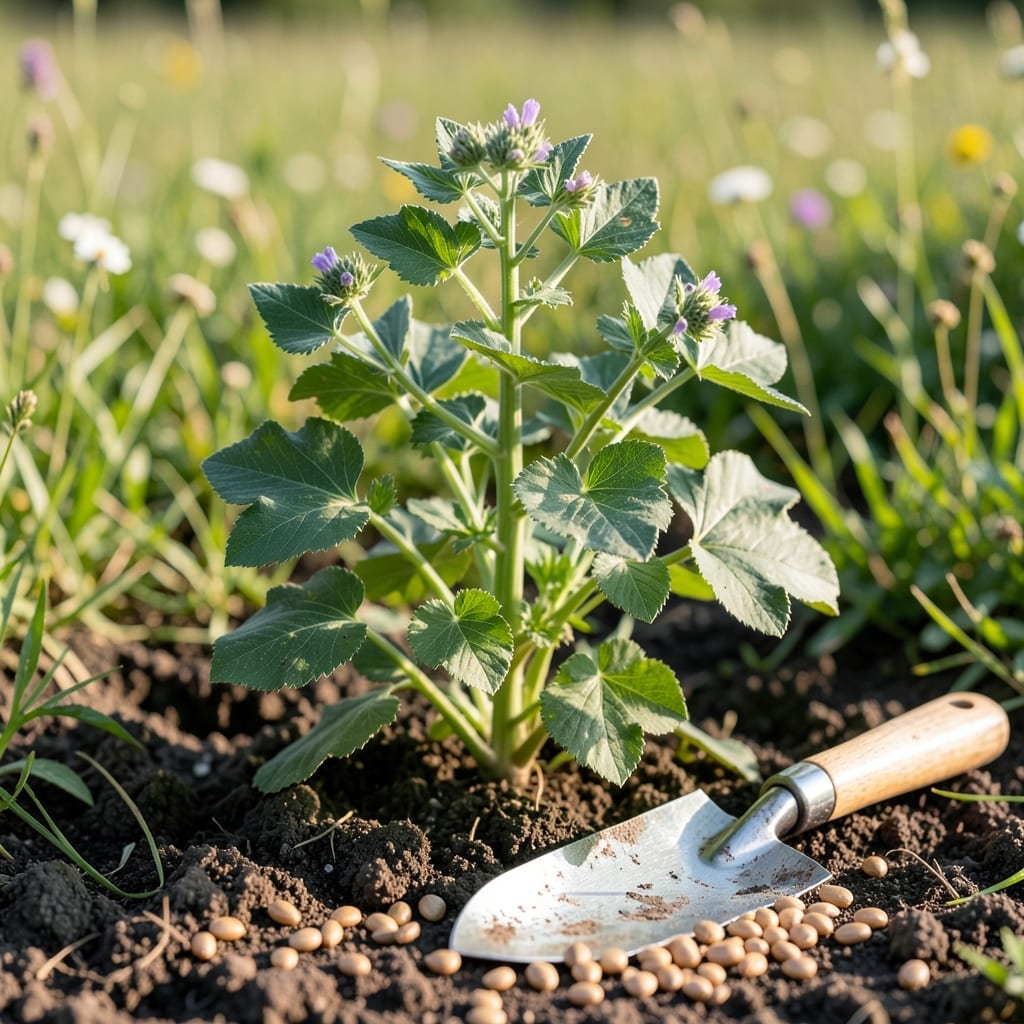
Timing is everything when planting Alfalfa in Texas—get it right, and you’ll enjoy lush, high-yield crops that thrive in the Lone Star State’s unique climate.
I’ve seen firsthand how planting at the wrong time can lead to struggling plants and disappointing harvests. But when you hit that sweet spot, the difference is night and day.
Texas’s USDA zone 8a gives us two prime windows: late winter or late summer. The key is matching your planting to the soil temperature and moisture conditions.
Let me walk you through exactly when to get 🌱 Alfalfa in the ground for the best results, so you can avoid the common pitfalls and set your crop up for success.
Timing your alfalfa planting in Texas depends heavily on regional climate and soil temperature. The Lone Star State’s vast size means what works in North Texas won’t always suit the Gulf Coast. I’ve found that fall planting often yields the best results for most areas.
For optimal germination, aim for soil temps around 60°F. This typically aligns with late summer to early fall in most regions, but spring can also work if you’re quick after the last frost. Let me break it down by zone for you.
| Region | Best Planting Window | Soil Temp Requirement | Key Consideration |
|---|---|---|---|
| North Texas | August-September | 60-65°F | Avoid early frosts |
| Central Texas | February-March or August | 60°F minimum | Watch for summer droughts |
| South Texas | September-October | 65-70°F | Longer growing season |
| Gulf Coast | October-November | 65°F+ | High humidity tolerance |
In North Texas, I recommend planting alfalfa in late August to early September. This gives the plants time to establish roots before winter dormancy. The first frost usually hits around mid-November, so timing is critical.
Central Texas gardeners have more flexibility. You can plant in early spring (February-March) or late summer (August). Spring plantings need consistent moisture, while fall plantings benefit from cooler temperatures and fewer pests.
For South Texas and the Gulf Coast, fall planting is almost always better. The intense summer heat can stress young alfalfa, but September-October plantings thrive in the milder weather. These regions often see soil temps stay warm well into November.
Remember that soil preparation is just as important as timing. I always test my soil pH (aim for 6.8-7.5) and ensure good drainage before planting. Alfalfa hates waterlogged roots, so raised beds can be a game-changer in clay-heavy areas.
If you’re unsure about your local conditions, check with your county extension office. They often have hyper-local climate data that can help you pinpoint the perfect planting window. In my experience, their advice is invaluable for Texas gardeners.
Finally, don’t forget that alfalfa varieties matter. Some are bred for drought tolerance, while others handle cold better. Choose a variety that matches your region’s challenges for the best results. I’ve had great luck with ‘Vernal’ in North Texas.
With the right timing and care, your alfalfa can produce multiple cuttings per year. The key is starting strong with proper planting and regional awareness 🌱
Planting alfalfa in Texas isn’t just about picking a date—it’s about understanding the climate and soil conditions that give your crop the best start. I’ve found that soil temperature is the most critical factor, as alfalfa seeds need 60°F or warmer to germinate properly.
Texas spans multiple USDA hardiness zones, so your planting window can vary. In North Texas, early spring planting works well, while South Texas often favors fall planting to avoid summer heat. Always check your local frost dates to time it right.
I can’t stress enough how soil prep impacts your yield. Test your soil pH and amend with lime or sulfur if needed. Alfalfa thrives in well-draining loam, so avoid heavy clay without improvement.
Another key is timing around rainfall. Planting just before seasonal rains can reduce irrigation needs. In Central Texas, late August to early September often aligns with the end of summer droughts.
Don’t overlook seed quality—older or improperly stored seeds have lower germination rates. I always recommend certified seed for the best results. Also, weed control before planting prevents competition.☀️
Finally, monitor temperature swings. Alfalfa can handle light frosts once established, but young seedlings need stable warmth. If a late freeze is forecast, consider delaying planting.
🌱