
Beautiful Plants For Your Interior
Beautiful Plants For Your Interior
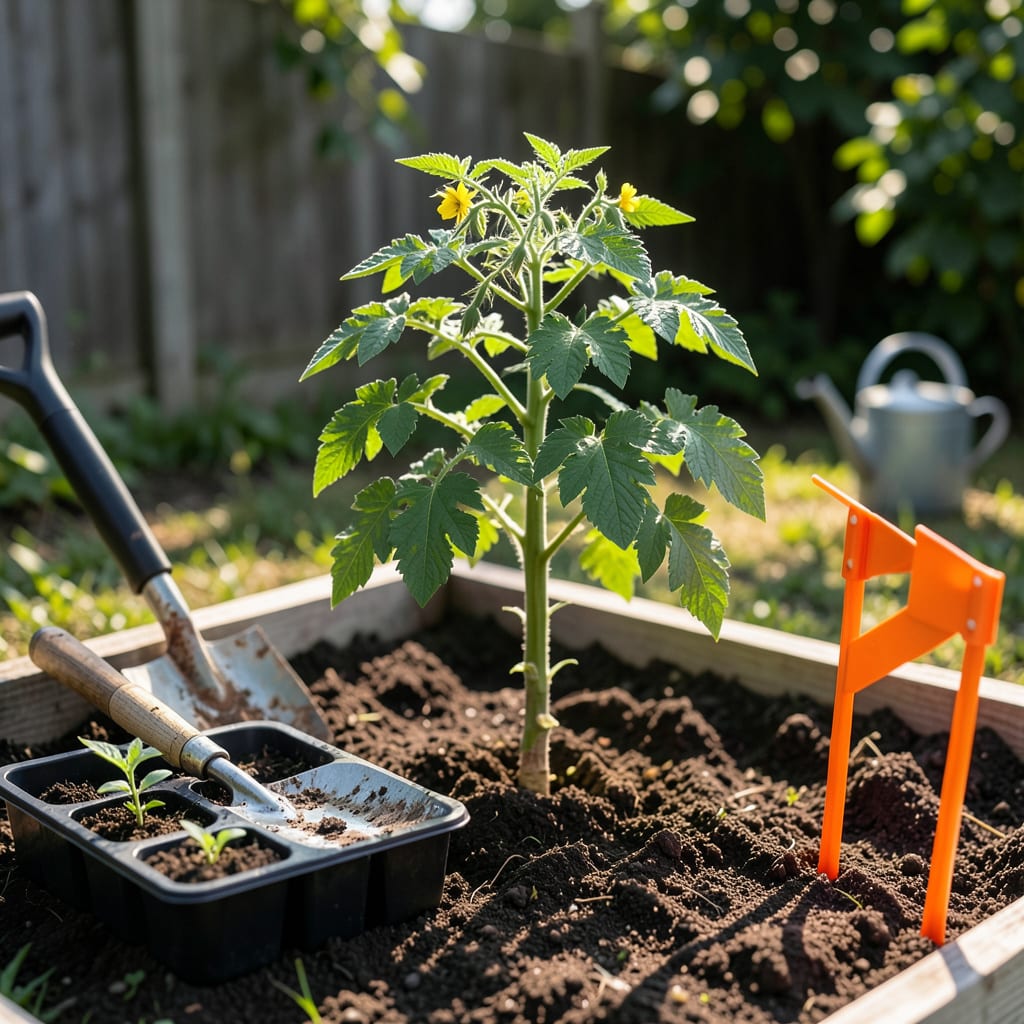
Texas gardeners know the struggle—what thrives in Dallas might fry in Houston by July. The Lone Star State’s wild climate swings mean planting at the wrong time can turn your dream garden into a crispy disappointment.
But here’s the good news: with the right timing, you can grow everything from juicy tomatoes to vibrant bluebonnets nearly year-round. I’ll break down exactly when to plant by region, so your 🌱 garden beats the heat—and the frost. Let’s dig in.
If you’ve ever wondered why your neighbor’s tomatoes thrive while yours struggle, the answer likely lies in Texas’s diverse planting zones. Our state spans USDA zones 6a-10a, meaning what works in Dallas (Zone 8a) might fail in Houston (Zone 9b). The key is matching your planting schedule to your exact location.
I always start by checking my last frost date—this tells me when it’s safe to plant tender crops like peppers or basil. In North Texas, that’s typically mid-April, while South Texas gardeners can plant those same crops a month earlier. Coastal areas have nearly year-round growing, but face humidity challenges.
| Region | USDA Zone | Last Frost | Key Crops |
|---|---|---|---|
| North Texas | 7a-8a | March 15-April 15 | Tomatoes, peppers, broccoli |
| Central Texas | 8a-8b | Feb 15-March 15 | Okra, black-eyed peas, squash |
| South Texas | 9a-10a | Jan 15-Feb 15 | Citrus, eggplant, sweet potatoes |
| Gulf Coast | 8b-9b | Dec 15-Jan 15 | Bluebonnets, figs, heat-tolerant greens |
*Frost dates vary yearly—always check local forecasts before planting.
For spring planting, I focus on soil temperature—not just air temps. Tomatoes need soil above 60°F, while beans prefer 70°F+. Use a soil thermometer (they’re cheap!) to avoid guessing. In West Texas, where nights stay cool, I wait until late April for heat-lovers like peppers and melons.
Fall planting is Texas’s secret weapon. While northern gardeners are harvesting their last summer crops, we’re planting cool-season veggies like kale, carrots, and spinach. Aim to plant these 6-8 weeks before your first frost. In San Antonio, that means late September; in Amarillo, push it to early August.
Don’t overlook microclimates—your backyard might have spots that are 5-10°F warmer than the front yard. I use south-facing walls to grow heat-sensitive lettuce later into spring. Conversely, shade cloth lets me grow summer greens that would normally bolt in our 100°F+ temps.
For year-round harvesting, I stagger plantings. In Houston, I sow bush beans every 3 weeks from March to September. In Dallas, I do the same but stop by late July to avoid fall armyworms. Always keep a gardening journal to track what works in your specific Texas microclimate.
Remember: Texas soil is often alkaline and clay-heavy. Before planting, I amend with 3 inches of compost and sulfur to lower pH if needed. For container gardening, use a lightweight potting mix—our native soil compacts too easily in pots. Test your soil every 2-3 years; Texas A&M’s soil testing lab offers affordable kits.
Pro tip: Our extreme heat means evening planting is best. I transplant seedlings after 6 PM to reduce transplant shock, then provide temporary shade for 3-5 days. For seeds, plant twice as deep as normal to protect against drying winds—especially in West Texas where drought conditions persist.
Finally, watch for false springs—those warm February days that trick gardeners into planting too early. I wait until soil temps stay above 50°F for 5 consecutive days before sowing cool-season crops. When in doubt, use row covers to protect early plantings from surprise late frosts, which can hit as late as April in the Panhandle.
Texas gardeners get a second spring in fall—something most states envy! The trick is knowing exactly when to plant each crop. I’ve found that timing varies wildly between regions, but this month-by-month guide works for most of the state with minor adjustments.
Start by identifying your first and last frost dates, then count backward for cool-season crops and forward for warm-season favorites. In Central Texas, I plant tomatoes in late February for early summer harvests, while North Texas gardeners should wait until mid-March.
*Adjust dates by 2-3 weeks for far North or South Texas.
For spring planting, I always check soil moisture before sowing. Our clay-heavy soils can stay cold and wet longer than you’d expect. Use a soil thermometer—if it reads below 50°F, wait another week. This is especially crucial for seed potatoes and onion sets, which rot in cold, wet ground.
The summer heat doesn’t mean your garden has to pause! I grow Malabar spinach (a heat-tolerant green) and roselle (for hibiscus tea) when regular lettuce would bolt. Sweet potato slips planted in June will thrive in the heat and suppress weeds with their dense vines.
Fall is our super-season—cooler temps mean fewer pests and happier plants. I direct-sow arugula, radishes, and turnips in early September, then add transplants of broccoli and cauliflower in late September. Use shade cloth to protect young seedlings from late summer sun.
Don’t forget winter crops! Garlic cloves planted in October-November will be ready by next June. In mild winters, I keep harvesting Swiss chard and collards all season. For container gardeners, move pots to south-facing walls to maximize winter sun.
My secret weapon? Succession planting. I sow bush beans every 2 weeks from March to August, ensuring continuous harvests. For lettuce, I plant small batches under 30% shade cloth every 3 weeks from September to February in my Central Texas garden.
Even experienced Texas gardeners sometimes get tripped up by our state’s unpredictable weather. I’ve made my share of planting mistakes over the years, and let me tell you—nothing’s more frustrating than watching your tomato seedlings fry in an unexpected May heatwave or your spinach bolt overnight.
The biggest error I see? Planting by calendar dates instead of soil conditions. Just because your neighbor planted their peppers in March doesn’t mean your clay-heavy soil is ready. Always check that your soil is workable and warmed to at least 50°F for cool crops, 60°F+ for warm-season favorites.
Planting too early in spring risks frost damage to tender seedlings like basil and eggplant—even in Zone 9.
Ignoring microclimates can mean the difference between thriving lettuce and bolted bitterness in the same yard.
Overlooking soil prep leads to poor drainage, especially in our clay-heavy regions like DFW and San Antonio.
Skipping succession planting means you’ll have one giant harvest followed by nothing—rather than steady production.
Forgetting water needs during triple-digit summers stresses plants, reducing yields by up to 50%.
Another classic mistake is ignoring your first/last frost dates. I once lost an entire bed of snap peas by planting them in October in North Texas—they froze in an early November cold snap. Now I use the Texas A&M AgriLife Extension frost date calculator and add 2 weeks of buffer just to be safe. Remember, urban heat islands can make your frost dates different from rural areas.
Overcrowding plants is especially problematic in Texas heat. When I first started gardening, I’d plant tomatoes 12 inches apart like the seed packets suggested—only to watch them compete for water in our drought-prone summers. Now I give them 24-36 inches and mulch heavily with straw or shredded leaves to conserve moisture. This spacing also improves air circulation, reducing fungal diseases like early blight.
The summer planting pause is another pitfall. Many gardeners assume nothing grows in July-August, but I’ve had great success with heat-tolerant varieties like Arkansas Traveler tomatoes, okra, and sweet potatoes. The key is deep watering (1-2 inches per week) and afternoon shade for young plants. I use 50% shade cloth on hoops to protect seedlings from 100°F+ temps.
Finally, don’t neglect your fall garden! I used to think gardening ended in June, but now my fall harvests often outproduce spring. The secret? Plant transplants of broccoli, cabbage, and kale in late September (earlier in North Texas). Use row covers to extend the season—my Central Texas garden often produces spinach and carrots through December with this simple protection.
Use the USDA Plant Hardiness Zone Map and enter your ZIP code for precise info. Texas ranges from Zone 6a (Panhandle) to Zone 10a (Rio Grande Valley).
Only in South Texas (Zones 9-10). Elsewhere, plant in early spring (after last frost) and again in late summer for fall harvests. Avoid July-August heat in most regions.
Planting by calendar dates instead of soil temperature. Wait until soil reaches 60°F+ for warm crops like peppers. Use a $10 soil thermometer to avoid guesswork.
Use 50% shade cloth for seedlings and plant in late afternoon to reduce shock. Mulch with 3-4 inches of straw to retain moisture. Water deeply 2-3x/week during drought.
Plant cool-season crops (kale, carrots) in late September. For transplants like broccoli, wait until early October. Use row covers if frost threatens before November 15.
