
Beautiful Plants For Your Interior
Beautiful Plants For Your Interior
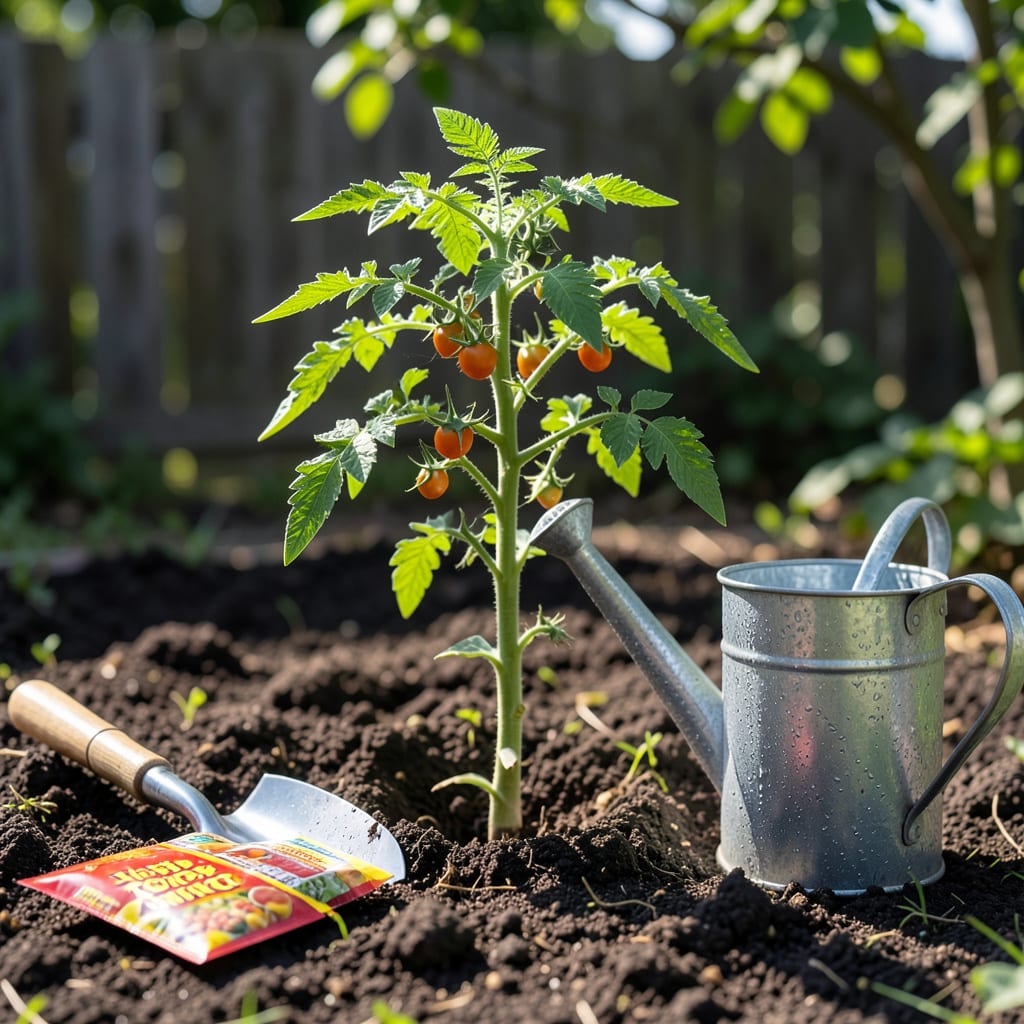
Timing your garden planting in Ohio can feel like solving a puzzle—plant too soon, and frost might wipe out your seedlings; wait too long, and you’ll miss the harvest window. But here’s the good news: with the right schedule, you can grow a thriving garden that yields from spring through fall.
I’ve dug into Ohio’s unique climate—from the cooler northern regions to the warmer southern zones—to break down exactly when to get your hands dirty. Whether you’re planting cool-season greens or heat-loving tomatoes, this guide will help you nail the timing for a bountiful harvest. Let’s get started.
If you’ve ever wondered why your neighbor’s tomatoes thrive while yours struggle, the answer often lies in Ohio’s microclimates. Our state spans USDA zones 5a to 6b, meaning frost dates can vary by 3-4 weeks from Toledo to Cincinnati. Timing isn’t just about the calendar—it’s about your local soil temperature and frost risk.
Northern Ohio gardeners (think Cleveland or Akron) typically face a later last frost—around May 10—while southern regions (like Cincinnati or Dayton) often see their final frost by April 15. This 3-week difference can make or break tender crops like peppers or basil. 🌱
| Region | USDA Zone | Avg. Last Frost | Avg. First Frost | Frost-Free Days | Best Planting Window |
|---|---|---|---|---|---|
| Northern Ohio (Cleveland, Toledo, Akron) | |||||
| Lake Erie Coast | 5b-6a | May 10–20 | Oct 5–15 | 150–160 | Late May–early June |
| Inland North | 5a-6a | May 1–15 | Oct 10–20 | 145–155 | Mid-May–late May |
| Central Ohio (Columbus, Mansfield, Newark) | |||||
| Urban Areas | 6a | April 20–30 | Oct 15–25 | 165–175 | Late April–early May |
| Rural Areas | 5b-6a | April 15–25 | Oct 10–20 | 160–170 | Mid-April–early May |
| Southern Ohio (Cincinnati, Dayton, Athens) | |||||
| River Valleys | 6b | April 1–15 | Oct 20–30 | 180–190 | Early April–mid-April |
| Hilly Areas | 6a | April 10–20 | Oct 15–25 | 170–180 | Mid-April–late April |
Note: Adjust dates by 1–2 weeks for urban heat islands (earlier) or high elevations (later).
Here’s the kicker: Soil temperature matters more than air temperature. Even if the air hits 60°F, cold soil can stunt seed germination. I always use a soil thermometer—aim for 50°F+ for cool crops like peas or spinach and 60°F+ for warm-season stars like tomatoes or cucumbers.
Don’t forget fall planting! Southern Ohio gardeners can sneak in a second crop of bush beans or kale by late August, while northern folks should wrap up by mid-August. The key? Count backward from your first frost date and check the “days to maturity” on seed packets.
Urban gardeners, listen up: Heat islands in cities like Columbus or Cincinnati can extend your season by 10–14 days. I’ve grown basil until November in protected microclimates! Conversely, lake-effect areas near Cleveland stay cooler longer—row covers are your best friend there.
Pro tip: Succession planting is Ohio’s secret weapon. After harvesting early radishes in May, I replant the same space with green beans for a July harvest. For continuous lettuce, sow new seeds every 2 weeks until late September. This trick doubles my yield without extra space!
If you’re itching to start earlier, season extenders like cold frames or low tunnels can buy you 4–6 weeks on either end. I’ve harvested spinach in December under row covers in Zone 6a! Just
Still unsure? The Ohio State University Extension offers free soil testing and hyper-local frost data. Their “Ohio Victory Gardens” program even provides customized planting calendars by county. When in doubt, I cross-check their data with my garden journal notes from past years.
Finally, watch the 10-day forecast like a hawk in spring. A late frost can wipe out tender transplants overnight. I keep frost blankets handy until Memorial Day in northern Ohio—better safe than sorry! And always harden off seedlings for 7–10 days before transplanting. 🌿
Now that you know Ohio’s frost dates, let’s talk about what to plant and when to plant it. Ohio’s growing season is generous—150 to 190 frost-free days—but only if you time it right. Cool-season crops love early spring and fall, while warm-season plants need the heat of summer.
I’ve broken it down month by month so you’ll never miss a planting window. Whether you’re growing crisp lettuce in March or juicy tomatoes in June, this schedule keeps your garden productive all season long. 🌱
Pro Tip: Always check the “days to maturity” on seed packets and count backward from your first frost date for fall plantings!
One mistake I see often? Planting tomatoes or peppers too early. Even if the air is warm, soil below 60°F stunts their growth. I wait until Memorial Day weekend in northern Ohio—it’s a foolproof rule for tender plants.
For herbs like basil and cilantro, timing is everything. Basil hates cold and thrives in June’s heat, while cilantro bolts quickly—plant it in early spring or fall for the best flavor. I grow cilantro in partial shade to delay bolting.
Don’t overlook flowers! Marigolds, nasturtiums, and zinnias attract pollinators and deter pests. Plant them alongside veggies in May–June. For fall blooms, sow pansies and calendula in late summer.
If you’re short on space, focus on high-yield crops like pole beans, zucchini, and leafy greens. These give you the most bang for your buck in Ohio’s climate. And remember: succession planting is your best friend for crops like radishes and lettuce.
Finally, keep a garden journal to track what works in your microclimate. Note planting dates, harvest times, and weather quirks. Over time, you’ll fine-tune your schedule for maximum yields—just like I did! 🌿
Even experienced gardeners can trip up when planting in Ohio’s finicky climate. I’ve seen promising seedlings wiped out overnight because of simple timing errors. The good news? Most mistakes are avoidable once you know what to watch for. Let’s dive into the top 5 pitfalls I’ve learned to sidestep over the years.
First up: ignoring soil temperature. Many gardeners focus on air temps, but cold soil can stall germination or shock transplants. I learned this the hard way when my early-planted peppers sat dormant for weeks. Now I use a soil thermometer—50°F+ for cool crops, 60°F+ for warm-season plants. 🌡️
⚠️ Watch Out!
Mistake #1: Planting tomatoes or basil before soil reaches 60°F. These heat-lovers will sulk in cold ground, leaving them vulnerable to disease.
Mistake #2: Skipping the hardening-off process. Transplants need 7–10 days to adjust to outdoor conditions—otherwise, they’ll wilt from shock.
Mistake #3: Overlooking microclimates. A sunny south-facing wall can be 10°F warmer than a shady north side—plan accordingly!
Mistake #4: Forgetting fall planting. Ohio’s cool autumn is perfect for kale, spinach, and garlic—don’t let that space go to waste!
Mistake #5: Planting cilantro or lettuce in summer heat. These bolt fast—stick to spring/fall or grow in partial shade.
Fix it fast: Use row covers to warm soil early or shade cloth to cool summer crops.
Another biggie: misjudging microclimates. Your backyard might have hot spots, cold pockets, or wind tunnels you haven’t noticed. I once lost a row of peppers because they were in a low-lying frost pocket. Now I scout my garden in different seasons to spot these trouble areas before planting.
Here’s a mistake that surprises people: planting too late in fall. Ohio’s first frost sneaks up fast! I use this rule: Count backward from your frost date, then add 2 weeks as a buffer. For example, if kale needs 60 days and frost hits October 15, plant by August 15—not September.
Lastly, don’t underestimate succession planting. I see gardeners plant all their lettuce at once, then wonder why they’re overwhelmed in May and starving in July. The fix? Sow small batches every 2 weeks. This keeps your harvest steady and avoids gluts. For radishes or bush beans, I do 3–4 plantings per season.
Remember, Ohio’s weather is unpredictable—always have a backup plan. I keep frost blankets, shade cloth, and extra seeds on hand. And when in doubt, Ohio State University’s Extension office is a goldmine for hyper-local advice. Their county-specific guides have saved my bacon more than once! 🌿
Check the Ohio State University Extension website for county-specific frost dates. They provide detailed maps and tools to pinpoint your last spring frost and first fall frost within a few days. Local master gardener groups also share hyper-local insights.
Begin tomatoes, peppers, and broccoli indoors 6-8 weeks before your last frost. Use grow lights and keep soil warm (70°F) for best germination. Harden off seedlings for 7-10 days before transplanting outdoors.
Early planting risks frost damage or stunted growth from cold soil. Tender plants like basil or tomatoes may die if exposed to temps below 32°F. Even hardy crops grow slowly in soil below 50°F—patience pays off!
Yes! Garlic, overwintering onions, and spinach can be planted in late fall for early spring harvests. Use mulch or row covers to protect them. In mild winters (especially southern Ohio), kale and Swiss chard may survive with protection.
Use cold frames, hoop tunnels, or frost blankets to add 4-6 weeks on either end. In spring, they warm soil faster; in fall, they protect from light frosts. Urban gardeners can leverage heat islands near buildings for extra warmth.
