
Beautiful Plants For Your Interior
Beautiful Plants For Your Interior
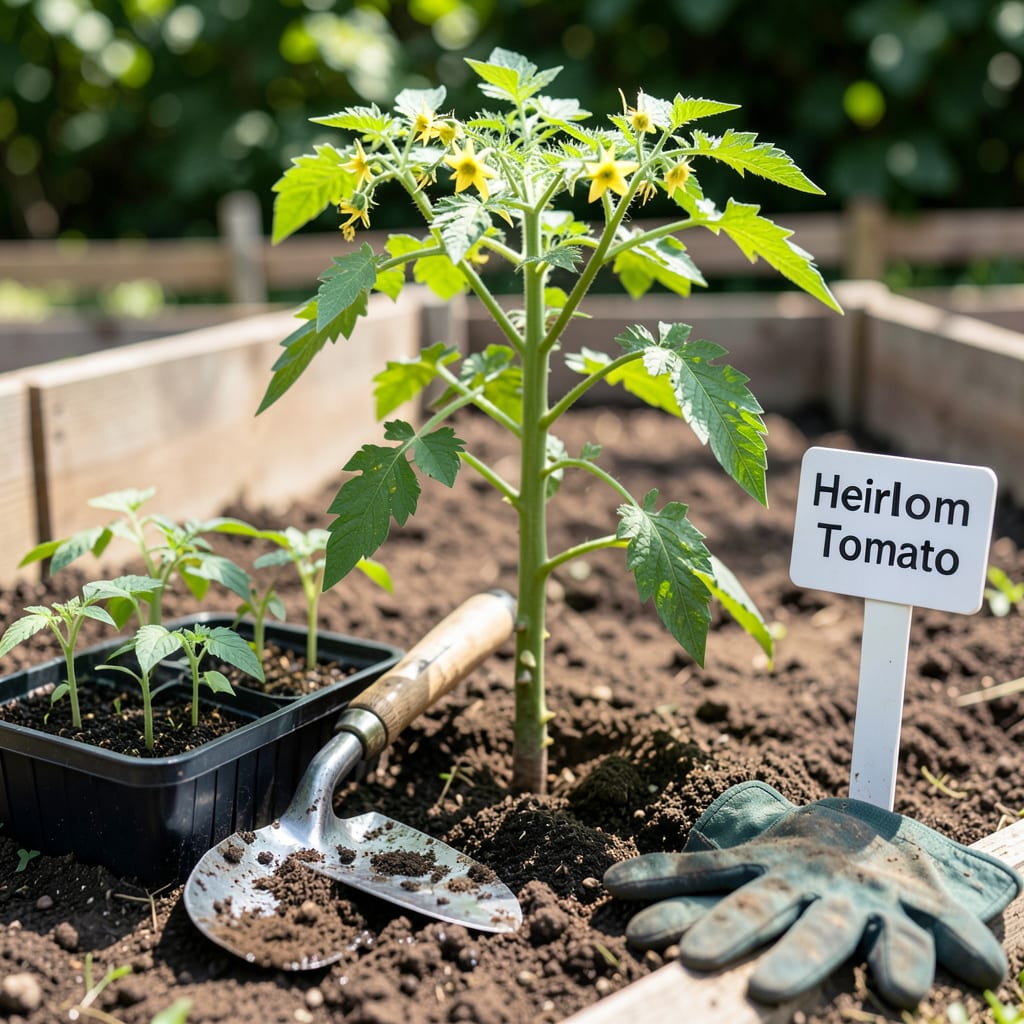
Michigan gardeners know the frustration all too well: one late frost can wipe out weeks of work, while planting too late means missing your harvest window entirely. The difference between a thriving garden and a disappointing one often comes down to just a few weeks of timing.
After years of testing what works in our unpredictable climate—from the Upper Peninsula’s short season to Lower Michigan’s microclimates—I’ve nailed down the exact planting schedule you need. Let’s cut through the guesswork and get your 🌱 Garden off to the strongest start possible this year.
If you’re gardening in Michigan, your planting schedule hinges on our USDA Zones 5-6 climate. The last spring frost typically hits between April 15–May 15, but the Upper Peninsula can lag by 2–3 weeks. I always check my local soil temperature—cool crops thrive at 40–50°F, while warm-season plants need 60°F+.
Michigan’s short growing season means every week counts. I focus on cool-season crops like lettuce and peas as soon as the soil is workable in early April. For warm-season favorites (tomatoes, peppers), I wait until after the last frost—usually mid-May in southern Michigan, but closer to June 1 up north.
| Crop Type | Planting Window | Notes |
|---|---|---|
| Lettuce, Spinach | April 1–15 | Direct sow; frost-tolerant |
| Peas, Radishes | March 20–April 10 | Soil temp ≥ 45°F |
| Tomatoes, Peppers | May 15–June 1 | Start indoors 6–8 weeks prior |
| Cucumbers, Beans | May 20–30 | Needs 70°F soil |
| Tulips, Daffodils | October 1–15 | Plant 6 weeks before frost |
For fall crops like kale or Brussels sprouts, I plant in late July for a September–October harvest. The key is counting backward from the first fall frost (around October 15 in Lower Michigan). I use row covers to extend the season by 2–3 weeks if needed.
Michigan’s microclimates can throw off timing. Urban areas like Detroit warm faster than rural spots, while lake-effect zones stay cooler. I recommend a soil thermometer—it’s more reliable than calendar dates. If your soil is muddy or icy, wait another week.
Perennials like asparagus or rhubarb need early spring attention. I plant bare-root crowns in April and mulch heavily. For garlic, October planting yields the best bulbs by July. Always amend soil with compost before planting.
Herbs like basil and cilantro are tricky. Basil hates cold—wait until night temps stay above 50°F. Cilantro bolts in heat, so I sow it in April and again in August. Dill and parsley tolerate cooler weather better.
Don’t forget succession planting! I sow new lettuce every 2 weeks until late May, then switch to heat-tolerant greens like Swiss chard. For beans, I plant a new row every 3 weeks until mid-July for continuous harvests.
If you’re in the Upper Peninsula (Zone 4-5), adjust all dates 2–3 weeks later. Your last frost might not be until May 20, and first frost can hit by September 15. Focus on fast-maturing varieties like ‘Early Girl’ tomatoes.
Pro tip: Keep a garden journal with your local frost dates and soil temps. Over time, you’ll spot patterns that let you fine-tune your schedule. And always have frost blankets ready—Michigan weather is unpredictable!
🌱Even experienced Michigan gardeners can misjudge planting times, and I’ve made my share of errors over the years. The most common mistake? Ignoring microclimates. Your Detroit backyard might be 2 weeks ahead of a rural farm in the Thumb region, so don’t rely solely on generic zone guidelines.
Another big one: Planting by calendar dates alone. I learned the hard way that soil temperature matters more than the date. Cool-season crops like peas need 45°F+ soil, while tomatoes demand 60°F+. A $10 soil thermometer saved me from multiple failed plantings.
I see gardeners rush warm-season crops every year. Tomatoes planted in cold May soil just sulk. Wait until nights stay above 50°F—usually late May in Lower Michigan. Use wall o’ waters to cheat the season by 2 weeks if you’re impatient like me.
Overcrowding is another silent killer. Those tiny seedlings will grow! I space my tomatoes 24–36 inches apart and squash 3 feet apart. Crowded plants compete for nutrients and invite disease. Thin seedlings ruthlessly—it hurts, but your harvest will thank you.
Many Michigan gardeners forget about fall. By mid-July, I’m sowing carrots and beets for October harvests. Count backward from your first frost date (around October 15 in most of Lower Michigan) and add 2 weeks for row covers. Fast growers like arugula can go in as late as August 20.
Finally, not using season extenders costs weeks of growing time. I keep frost blankets handy until June 1 and use cold frames in September. Even a simple plastic tunnel over hoops can add 30 days to your season. Don’t let Michigan’s short summer limit your harvest!
🌱Michigan’s short growing season doesn’t have to limit your harvest. With a few simple tricks, I’ve added 4–6 weeks to both ends of my season. The key is working with our climate, not against it. Even in Zone 5, I harvest fresh greens until Thanksgiving!
I start by warming my soil 2–3 weeks before planting. Black plastic mulch or cloches raise soil temps by 5–10°F. For cool-season crops, this means earlier spring planting. In fall, I switch to row covers to protect plants from light frosts.
For spring extension, I use low tunnels over my beds starting in mid-March. This lets me plant lettuce and spinach 3 weeks earlier. The tunnels stay on until night temps hit 50°F, usually by late April in Lower Michigan.
Fall is where I gain the most time. After our first light frost (around October 15), I cover my greens with floating row fabric. This buys me another 3–4 weeks of growth. Kale and Brussels sprouts actually sweeten after frost, so I leave them uncovered until hard freezes hit.
My secret weapon? Hoop houses made from PVC and plastic. For under $50, I built a 4’x8’ structure that keeps my fall carrots growing until December. The trick is venting on sunny days—temps can spike to 90°F+ even when it’s 40°F outside.
Don’t forget container gardening for mobility. I keep pots of herbs and lettuce near the house where they get radiant heat. On frost warnings, I move them to the garage. This simple trick extends my herb harvest by 6+ weeks in both spring and fall.
🌱Check your local MSU Extension office or use the NOAA frost date calculator. Urban areas like Grand Rapids often have earlier last frosts than rural spots. Always cross-check with a soil thermometer for accuracy.
Only if you use season extenders like wall o’ waters or cloches. Bare soil in early May is usually too cold (below 60°F). Wait until night temps stay above 50°F—typically mid-to-late May in Lower Michigan.
Focus on fast-maturing varieties: ‘Early Girl’ tomatoes (55 days), ‘Bush Champion’ cucumbers (50 days), and ‘Provider’ bush beans (50 days). For the UP, try cool-season crops like kale that tolerate light frosts.
Count backward from your first frost date (around October 15). Fast growers like spinach (40 days) can go in by September 1. Use row covers to gain extra weeks—some gardeners harvest greens until Thanksgiving!
Lakes moderate temps, creating cooler springs and warmer falls. Coastal gardeners often plant 1-2 weeks later in spring but enjoy extended fall harvests. Monitor your microclimate closely.
