
Beautiful Plants For Your Interior
Beautiful Plants For Your Interior
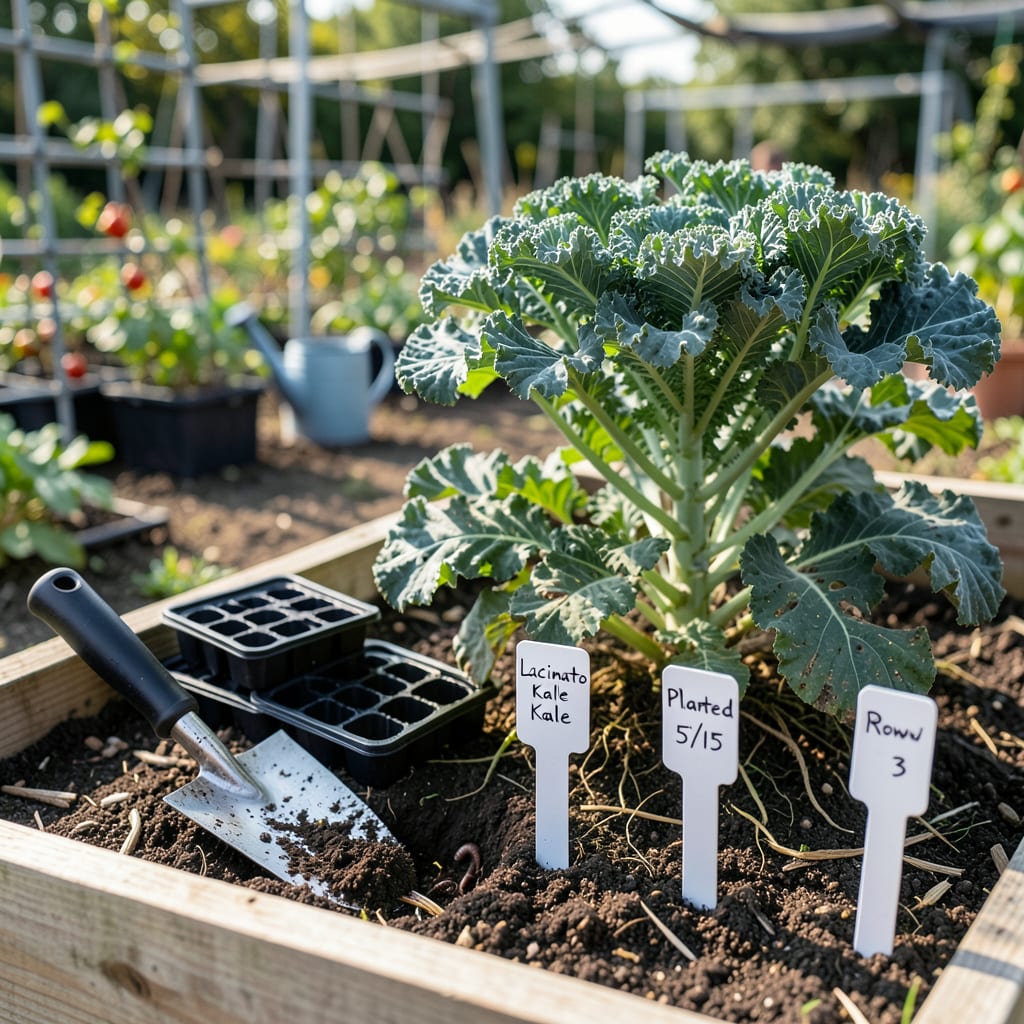
Texas fall gardens are a game-changer—cooler temps, fewer pests, and fresher produce than summer can deliver. But timing is everything: plant too soon, and the heat will fry your seedlings; wait too long, and frost will steal your harvest.
I’ve tested the perfect windows for Texas zones, from Dallas to Houston, so you can grow kale 🥬, broccoli, and more with confidence. Let’s break down exactly when to start—no guesswork, just results.
Fall gardening in Texas is all about beating the heat and frost. The Lone Star State spans USDA zones 6a–10b, meaning your planting window varies dramatically from Amarillo to Brownsville. I’ll help you pinpoint the ideal time based on your region’s first frost date and soil temps.
For most Texas gardeners, the magic window starts in late August and runs through early October. But timing depends on your zone—cooler areas like the Panhandle need earlier starts, while coastal regions can plant later. Let’s break it down with exact dates.
| Zone | First Frost Date | Planting Window | Key Crops |
|---|---|---|---|
| 6a-7a (Panhandle) | Oct 10–20 | Aug 1–Sep 1 | Broccoli, kale, spinach |
| 7b-8a (DFW, Austin) | Nov 1–15 | Aug 15–Sep 30 | Carrots, beets, lettuce |
| 8b-9a (Houston, San Antonio) | Nov 15–30 | Sep 1–Oct 15 | Cilantro, dill, radishes |
| 9b-10b (Coastal, RGV) | Dec 1–15 | Sep 15–Nov 1 | Pansies, snapdragons, Swiss chard |
Adjust for microclimates: Urban areas may be 1–2 weeks later.
In North Texas (Zone 7b-8a), I start broccoli and kale seeds indoors by mid-August to transplant in September. For Central Texas (Zone 8b), direct-sow carrots and beets after Labor Day when soil temps drop below 80°F.
Coastal gardeners (Zone 9b-10b) have the longest window—plant heat-tolerant greens like Swiss chard through October. Pro tip: Use shade cloth for seedlings if temps spike above 90°F in early fall.
Soil prep matters too. After summer’s heat, amend beds with 2–3 inches of compost and test pH (aim for 6.0–7.0). In drought-prone areas, mix in coconut coir to retain moisture without waterlogging.
Watch for false fall—a late heatwave in September. If temps climb, delay planting tender greens like spinach until nights stay below 70°F. Use row covers to protect young plants from unexpected cold snaps in October.
For fast-maturing crops like radishes (25–30 days) or bush beans (50 days), plant in succession every 2 weeks through September. Slow growers like Brussels sprouts need a July start in cooler zones.
Need a foolproof schedule? Download my Texas Fall Planting Cheat Sheet—it includes exact dates for 20+ crops tailored to your zip code. Just enter your location, and I’ll send it right over!
Remember: Texas weather is unpredictable. Keep a thermometer in your soil and a frost blanket on hand. With the right timing, you’ll harvest fresh greens well into winter! 🌱
Texas summers linger well into September, but that doesn’t mean you can’t get a head start on your fall garden. The secret? Choosing heat-tolerant crops that thrive in the transition from scorching days to crisp autumn nights. These varieties laugh at 90°F+ temps and still deliver bountiful harvests.
I’ve tested dozens of varieties, and these five are my go-to for late-summer planting. They germinate reliably in warm soil, resist bolting, and keep producing as temperatures drop. Plant them 6–8 weeks before your first frost for the best results. Let’s dig into the top performers.
All varieties tested in Texas zones 7b–9a. Adjust planting dates by 1–2 weeks for cooler/warmer microclimates.
For Swiss chard and collards, I soak seeds overnight to speed germination in warm soil. Mulch heavily with straw or grass clippings to keep roots cool and retain moisture. These crops grow faster with consistent watering—aim for 1 inch per week, deep at the base.
Bush beans are a Texas fall staple, but they hate soggy soil. Plant in well-draining beds amended with compost, and use a soaker hose to deliver water directly to roots. If temps stay above 85°F after planting, provide 30% shade cloth until seedlings establish.
Okra might surprise you as a fall crop, but it’s a powerhouse in Texas. The pods taste best when harvested young (3–4 inches). Wear gloves when picking—those tiny spines can irritate skin! Pair okra with marigolds to deter aphids, a common late-season pest.
Timing is critical for cilantro. Plant too early, and it bolts in residual heat; too late, and it struggles to germinate. I’ve had the best luck sowing seeds in early September under shade cloth, then moving plants to full sun as temps drop. Thin seedlings to 6 inches apart for robust growth.
Need a foolproof schedule? Grab my Texas Fall Heat-Lovers Cheat Sheet—it includes exact planting dates, spacing tips, and harvest timelines for these five crops. Drop your email below, and I’ll send it straight to your inbox! 🌱
Even seasoned gardeners can stumble when transitioning from summer to fall. Texas’s unpredictable weather—late heatwaves, sudden droughts, or early frosts—can derail your plans if you’re not prepared. I’ve seen (and made!) these mistakes, so let’s fix them before they cost you your harvest.
The biggest error? Ignoring soil conditions after summer’s brutality. Parched, compacted soil won’t nurture fall crops. Another pitfall: misjudging frost dates. Dallas and Houston can vary by 3+ weeks, so don’t rely on generic advice. Let’s tackle these head-on.
*Bonus: Overwatering is just as bad as underwatering—aim for 1″ per week, deep at the roots.
One year, I lost an entire bed of spinach by planting in early September during a heatwave. Lesson learned: Always check the 10-day forecast before sowing. If temps exceed 85°F, hold off or use shade cloth to protect seedlings.
Bolting is another frustration. When lettuce or cilantro shoot up flower stalks, they turn bitter. Prevent this by planting bolt-resistant varieties (like ‘Slow Bolt’ cilantro) and keeping soil consistently moist. Mulch with straw to regulate temperature and moisture.
Don’t overlook pest pressure in fall. While summer pests decline, cabbage worms and aphids thrive in mild weather. I combat them with neem oil sprays every 10–14 days and companion plants like marigolds or nasturtiums to deter pests naturally.
Finally, succession planting is key. Instead of planting all your radishes or bush beans at once, stagger sowings every 2 weeks through September. This ensures a steady harvest and reduces waste if a heatwave or frost hits.
Want a troubleshooting guide tailored to your zone? Download my Texas Fall Gardening Fix-It
Check the USDA Plant Hardiness Zone Map and enter your ZIP code. Texas spans zones 6a–10b, with North Texas (Dallas) in 7b–8a and the Gulf Coast in 9b–10b. Your zone determines frost dates and planting windows.
Tomatoes need 120+ days to mature, making them risky for most Texas zones. Opt for fast-maturing varieties like ‘Early Girl’ if planting by late July in Zone 8+. In cooler zones, skip tomatoes and focus on greens or root veggies.
In Zone 8b (Austin/San Antonio), sow lettuce seeds by mid-October for a winter harvest. Use shade cloth if temps stay above 80°F, and choose heat-tolerant varieties like ‘Romaine’ or ‘Buttercrunch’. Harvest leaves in 30–40 days.
Use 30–50% shade cloth during peak afternoon sun, and mulch with straw or grass clippings to keep roots cool. Water deeply at dawn, not midday. For extreme heat, delay planting or start seeds indoors under grow lights.
Bolting happens when plants stress from temperature swings or inconsistent watering. Prevent it by planting bolt-resistant varieties (like ‘Slow Bolt’ cilantro), keeping soil moist, and using mulch. If bolting starts, harvest immediately—leaves turn bitter.
