
Beautiful Plants For Your Interior
Beautiful Plants For Your Interior
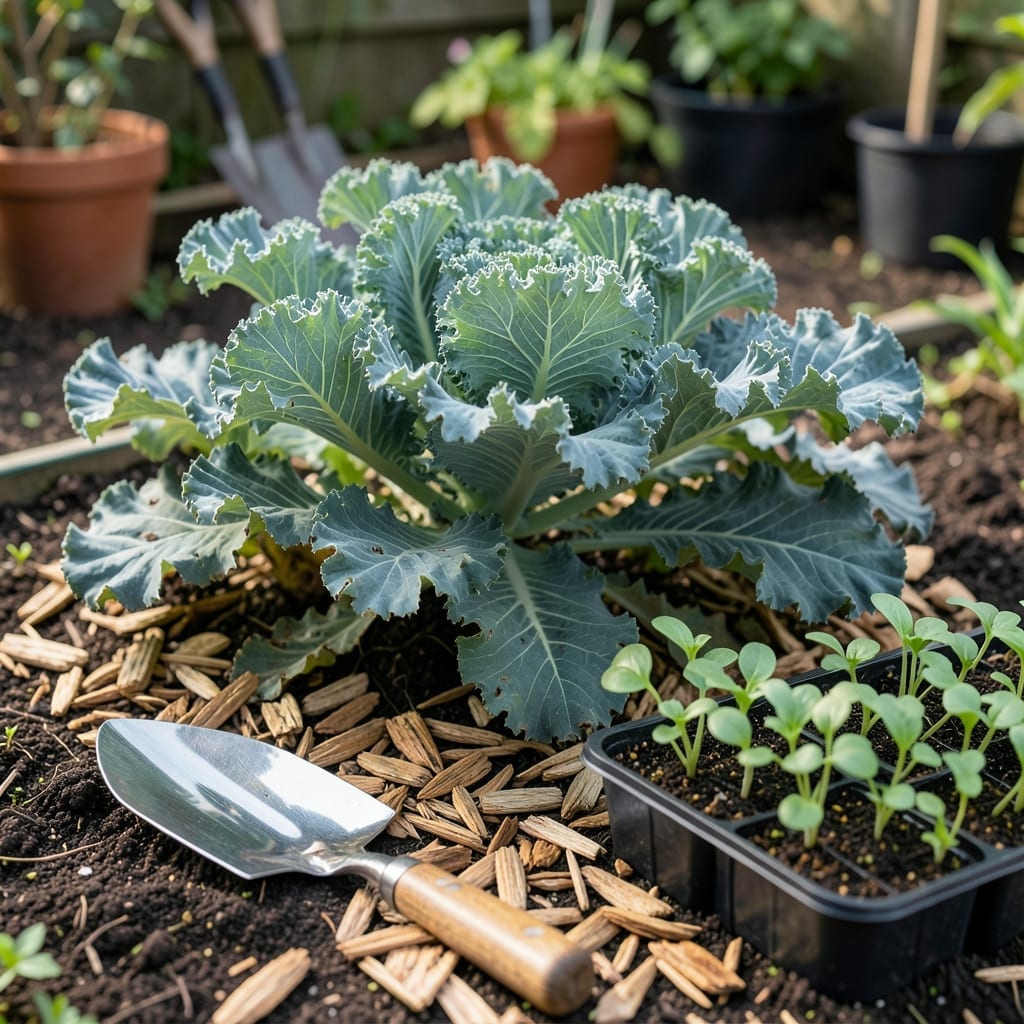
Timing is everything when planting a Fall Garden 🌱 in South Texas. Start too early and seeds may struggle in the summer heat, but plant too late and frost could ruin your harvest.
This guide helps you hit that perfect window for a thriving autumn garden. The unique climate of zone 9a offers opportunities most regions don’t have.
I’ve tested countless planting schedules in my own garden. What works here often surprises even seasoned gardeners from cooler areas.
Discover the exact timing that transforms your fall planting from a gamble to a guaranteed success. Let’s get your soil ready for October-December harvests.
Planting a fall garden in South Texas means working with our unique Zone 9a climate. The key is timing it just right between summer heat and the first frost around December 1.
I always aim to plant 6-8 weeks before that first frost date. This gives most crops enough time to mature before cold weather hits. For us, that means starting seeds in mid-August through September.
| Crop | Planting Window | Days to Maturity |
|---|---|---|
| Broccoli | Aug 15 – Sep 15 | 60-80 days |
| Kale | Aug 1 – Sep 1 | 50-65 days |
| Carrots | Aug 15 – Sep 1 | 70-80 days |
| Lettuce | Sep 1 – Sep 30 | 30-50 days |
| Beets | Aug 15 – Sep 15 | 50-60 days |
For fast-growing crops like lettuce and radishes, you can even plant as late as early October. They’ll mature quickly before any serious cold sets in.
The soil temperature is just as important as air temperature. Aim for soil temps between 70-85°F for most fall crops. I use a simple soil thermometer to check this.
Don’t forget that transplants can give you a head start. I often buy broccoli and cabbage starts in late August to get them established before the heat breaks.
Our long growing season means we can often succession plant. After harvesting summer crops, I’ll plant a new batch of bush beans or zucchini for a late fall harvest.
Remember that microclimates matter in South Texas. Areas near the coast may have slightly different timing than inland spots. I’ve noticed my garden does better with earlier planting dates.
Finally, always have a frost protection plan ready. Even in Zone 9a, we can get surprise cold snaps. Keep some row covers or old blankets handy just in case.
With these timing guidelines, you’ll be harvesting fresh produce well into December. The key is starting early enough to beat the heat, but not so early that plants struggle in summer’s last gasp.
I’ve found that following this schedule gives me the most reliable results year after year. The first time I planted kale in July, it bolted immediately – now I wait until August.
South Texas gardeners have a unique advantage with our long growing season. The fall garden thrives with heat-tolerant and fast-maturing crops that love ourZone 9a climate.
I’ve tested dozens of varieties over the years. Some outperform others dramatically in our warm falls and mild winters. These are my top picks for reliable harvests.
For leafy greens, I recommend heat-resistant varieties like ‘Lacinato’ kale or ‘Black Seeded Simpson’ lettuce. These handle our September heat better than others.
Root crops like beets and radishes do exceptionally well. I plant ‘Detroit Dark Red’ beets in mid-August for October harvests. Their earthy sweetness intensifies with cooler nights.
Don’t overlook herbs in your fall garden. Cilantro and dill grow beautifully in fall, often bolting less than in spring. I sow cilantro every 3 weeks for continuous harvest.
For quick results, try bush beans. Varieties like ‘Blue Lake’ can produce a full crop in 50-60 days when planted in early September. They’re perfect for filling gaps in your garden.
I always include some green onions in my fall plantings. They’re low-maintenance and add fresh flavor to meals. Plant sets in September for harvests through winter.