
Beautiful Plants For Your Interior
Beautiful Plants For Your Interior
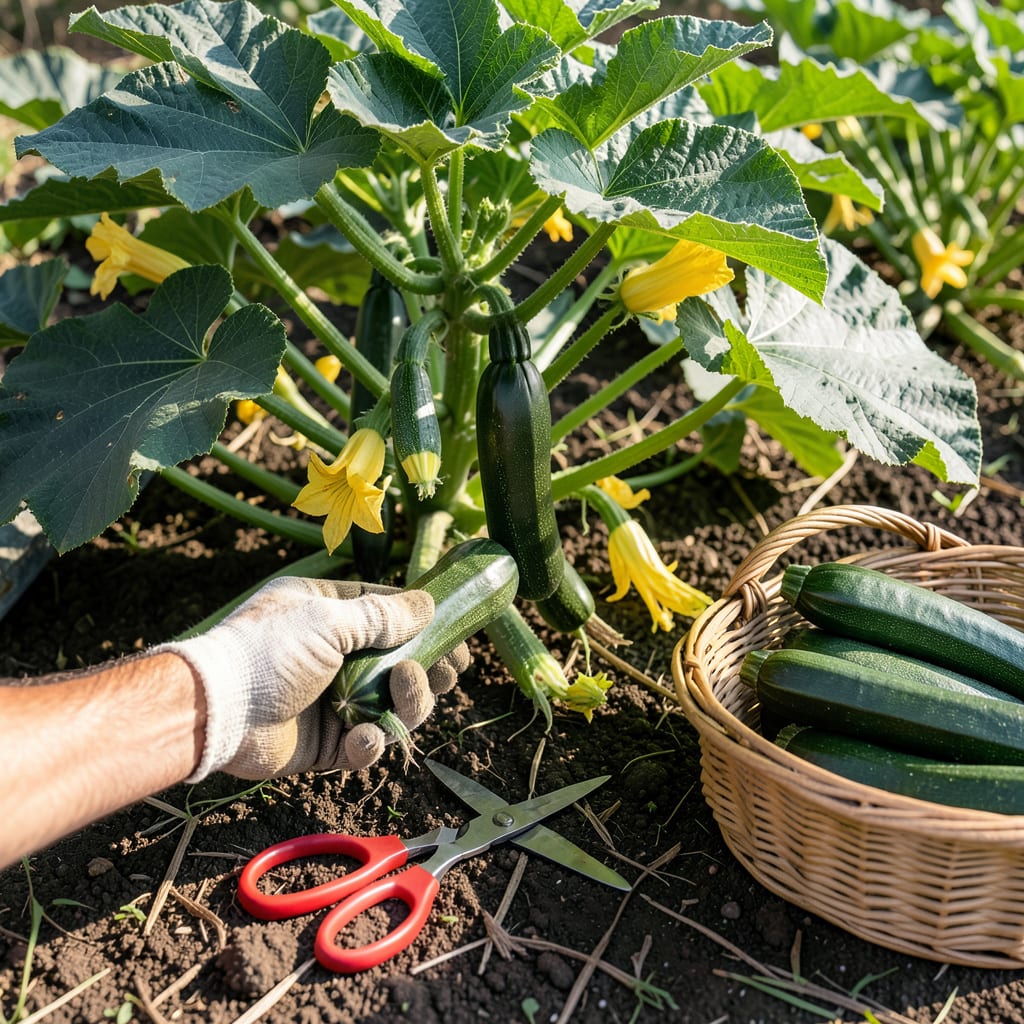
There’s nothing worse than watching your zucchini transform from a tender, flavorful gem into a bitter, seedy baseball bat overnight. One day it’s perfect—next, it’s a garden fail. But here’s the good news: timing your harvest is simpler than you think.
With just a few key signs—like size, skin texture, and color—you can lock in that perfect 6–8 inch window every time. I’ll show you exactly what to look for (and what to avoid) so your 🥒 zucchini stays sweet, productive, and ready for your next meal. No more guesswork—just great squash.


I’ve seen too many gardeners wait until their zucchini looks like a baseball bat—only to end up with tough, seedy squash. The secret? Harvest when they’re 6–8 inches long, about the size of a standard ruler. At this stage, the skin is still tender and glossy, and the seeds are tiny.
Timing matters because zucchini grows incredibly fast—sometimes an inch per day! If you blink, you might miss the perfect window. I check my plants every morning during peak season (usually July–September in most zones) to catch them at their prime.
Pro Tip: Golden zucchini varieties should be bright yellow, not pale. Harvest them at the same 6–8 inch size as green types.
Another trick I use is the “fingernail test”. Gently press your nail into the skin—if it leaves a tiny mark, it’s ready. If it bounces back or feels rock-hard, you’ve waited too long. Overgrown zucchini saps energy from the plant, reducing future yields by up to 30%.
For Black Beauty or Cocozelle varieties, watch for dark green stripes to deepen. Eight Ball zucchini (the round kind) should be 3–4 inches in diameter—about the size of a tennis ball. These visual cues are more reliable than counting days, since weather affects growth speed.
I also pay attention to the flower end. If the blossom is still attached and fresh, the zucchini is likely young and tender. Once the flower wilts and drops off, the clock is ticking! Ideally, you want to harvest within 1–2 days of the flower fading for the best texture.
If you’re growing heirloom varieties, note that some (like Rondex) mature faster—sometimes in just 35 days. Hybrid types (such as Ambassador) might take 45–50 days. Always check your seed packet for the “days to maturity” range and start checking a few days before that.
One mistake I made early on? Waiting for zucchini to “fill out” more. Bigger isn’t better here—oversized squash develops woody seeds and bitter flavor. If you accidentally let one grow to 10+ inches, peel it, scoop out the seeds, and use it for baking or grating instead of fresh eating.
Finally, use the right tools! I always keep a sharp pruner or clean knife handy. Twisting zucchini off the vine can damage the plant. Cut the stem about 1 inch above the fruit to avoid injuring the vine. This small step keeps your plant healthy and productive for weeks longer.
Remember, zucchini plants are prolific producers—the more you pick, the more they’ll give you. I’ve had single plants yield 6–10 pounds in a season just by harvesting every 2–3 days. So grab your basket and get picking! 🪴
Timing your zucchini harvest wrong can backfire in two ways: picking too soon leaves you with underdeveloped squash, while waiting too long turns them into tough, seedy monsters. I’ve seen gardeners lose weeks of production by missing the sweet spot.
Pick immature zucchini (under 4 inches long), and you’ll get pale, flavorless flesh that wilts when cooked. The plant also wastes energy trying to regrow what you removed too early. It’s like cutting flowers before they bloom—frustrating and unproductive.
Pro Tip: 6–8 inches is the goldilocks zone—firm, sweet, and perfect for grilling or sautéing.
Let zucchini grow beyond 10 inches, and they become woody and bitter. The skin hardens, seeds enlarge, and the plant diverts energy to those overgrown fruits instead of producing new ones. I once left a Black Beauty on the vine for 2 weeks—it weighed 5 pounds and tasted like cardboard.
Overgrown zucchini also stress the plant. The vines may yellow or wilt as they struggle to support giant fruits. If this happens, I recommend pruning the largest squash to redirect energy to healthier growth. A quick fertilizer boost (like 10-10-10 NPK) can help recovery.
For golden zucchini varieties, watch for dull yellow skin—it’s a sign they’re past prime. With dark green types, a matte finish means they’re overripe. The fix? Check plants every 2 days in peak season. I set phone reminders to avoid missing the window.
If you do end up with baseball-bat zucchini, don’t toss them! They’re great for grating into bread or hollowing for stuffed squash. But for tender, flavorful results, stick to the 6–8 inch rule and keep your plants producing all summer.
If you want your zucchini plants to keep producing all season, you’ve got to stay on top of harvesting. I’ve found that checking plants every 2–3 days during peak season is the sweet spot. Zucchini grows shockingly fast—sometimes adding an inch overnight! Missing just a few days can turn a perfect squash into a tough, seedy giant.
Frequent picking isn’t just about size control—it’s about plant productivity. When you remove mature fruit, the plant redirects energy into producing more flowers and new zucchini. I like to harvest in the early morning when the plants are hydrated and the fruit is crisp. This also gives me time to spot pests or issues before the day heats up.
Use the right tools to avoid damaging your plants. I always keep a pair of clean pruners or a sharp knife handy. Never yank or twist zucchini off the vine—this can tear the stem and invite disease. Instead, cut the stem about 1 inch above the fruit with a clean slice. If you’re harvesting by hand, gently twist while supporting the vine.
Here’s a pro tip: Mark your calendar for the first harvest date. Zucchini typically starts producing 45–55 days after planting. Once the first fruit is ready, the rest will follow quickly. I like to set phone reminders to check plants, especially if I’ve had a busy week. Consistency is key—missed harvests mean missed opportunities for more squash!
Don’t forget that regular harvesting also helps prevent pests. Overgrown zucchini attracts squash bugs and vine borers, which can devastate your plants. By keeping fruit picked at the ideal size (6–8 inches), you’re not just ensuring better flavor—you’re protecting your entire harvest. Plus, smaller zucchini means more room for new flowers to bloom! 🌻
Aim for 6–8 inches long—that’s the ideal size for tender, flavorful squash. At this stage, the skin is still glossy and the seeds are small. Larger zucchini (over 10 inches) become tough and seedy.
Check daily in peak season—they grow fast!
You can, but it’s not ideal. Zucchini under 4 inches lack full flavor and texture. The plant also wastes energy trying to regrow what you removed too soon.
Wait until they reach at least 6 inches for the best results.
Early morning is perfect! The plants are hydrated, and the fruit is crisp. Avoid midday heat, which can stress the plant.
Use clean pruners or a sharp knife to cut the stem 1 inch above the zucchini.
In peak season (July–August), check every 2 days. Zucchini grows shockingly fast—sometimes an inch overnight!
Set phone reminders if you’re busy—consistency keeps production high.
Overgrown zucchini can still be used! Grate them for bread or hollow them for stuffed recipes. Just don’t let them stay on the vine too long.
Remove giant squash to redirect energy to new growth.
