
Beautiful Plants For Your Interior
Beautiful Plants For Your Interior
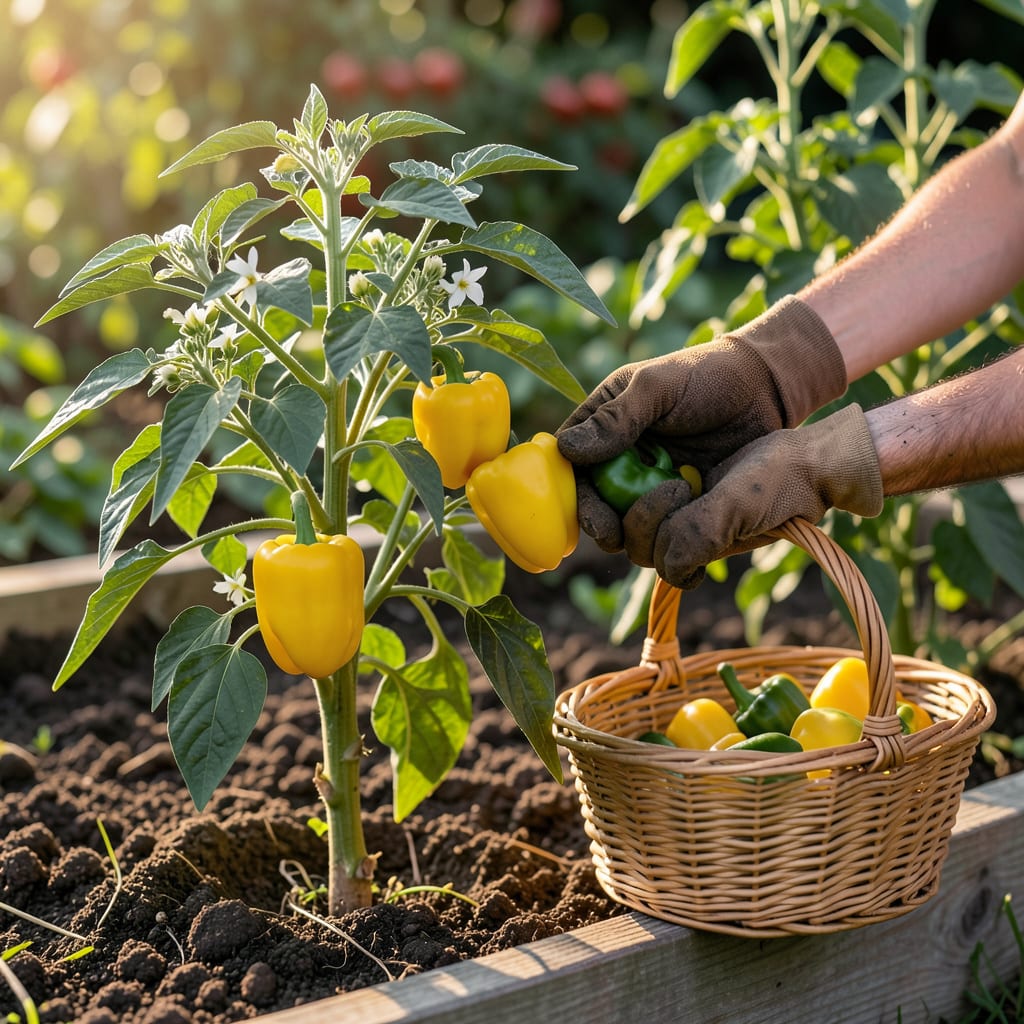
There’s nothing like biting into a perfectly ripe yellow bell pepper—sweet, crisp, and bursting with flavor. But timing that harvest? That’s where many gardeners get it wrong, ending up with peppers that are either bitter or mushy.
I’ve learned the hard way that waiting for that deep golden hue and slight give when pressed makes all the difference. Let me show you exactly how to spot the ideal moment to pick your 🌶️ yellow bell peppers—so you get that restaurant-quality taste every time.


Getting the timing right for harvesting yellow bell peppers is what separates a mediocre crop from a spectacular one. I’ve found that these peppers don’t just turn yellow overnight—they develop a rich golden hue that deepens over days. The key is watching for subtle changes.
Most gardeners make the mistake of picking too early when peppers are still pale. I learned this the hard way—waiting for that deep, uniform color and slight softness when gently squeezed gives you the sweetest, most flavorful peppers. Let’s break down exactly what to look for. 🌱
That perfect golden color is your first clue, but don’t stop there. I always do the finger test—press gently near the stem. If it gives slightly like a ripe avocado (but still feels firm), it’s ready. Too hard means it needs more time; too soft means it’s overripe.
The size matters too. Most yellow bell peppers reach 3-4 inches long when fully mature. I keep a ruler handy my first season until I get familiar with what “full size” looks like on my specific variety. Smaller peppers often lack that full sweetness we’re after. 🌿
Here’s a pro tip I swear by: check the aroma. Bring the pepper close to your nose—if you catch that sweet, slightly grassy pepper scent, it’s ready. No smell usually means it’s not quite there yet. This simple trick has saved me from harvesting too early countless times.
The stem test is my final confirmation. A ripe pepper will separate from the plant with a gentle twist, leaving the stem intact. If you’re tugging hard, it’s not ready. I always use clean pruning shears to avoid damaging the plant when harvesting multiple peppers.
Remember that days to maturity varies by variety. While most yellow bells take 70-85 days from transplanting, I’ve found some heirloom varieties can take up to 90 days. Always check your seed packet and start counting from when flowers first appear.
One mistake I see often is waiting too long. Overripe peppers develop soft spots and lose their crisp texture. I make it a habit to check my plants every 2-3 days during harvest season to catch peppers at their peak. A little daily attention goes a long way. ✂️
After harvesting, I handle peppers gently to avoid bruising. They’ll keep in the fridge for 1-2 weeks if stored unwashed in a paper bag. For longer storage, I’ve had great success freezing sliced peppers on a tray before bagging them—they retain their texture beautifully for months.
The satisfaction of picking a perfectly ripe yellow bell pepper—firm, sweet, and vibrant—makes all the waiting worthwhile. Once you get the timing down, you’ll be hooked on that homegrown flavor that store-bought peppers just can’t match. 🌻
Knowing exactly when to harvest your yellow bell peppers starts with understanding their growth stages. I’ve found that tracking progress from flowering to full maturity helps avoid the guesswork. Most varieties follow a predictable timeline if you know what to look for. 🌱
The journey from flower to ripe pepper typically takes 60-90 days, depending on your specific variety. I always mark my calendar when I first spot flowers—this becomes my reference point for counting down to harvest. The color transformation from green to golden is your best visual cue.
| Growth Stage | Days After Flowering | Visual Clues | Action Needed |
|---|---|---|---|
| Flowering | 0 days | White flowers appear | Note date for timeline |
| Green Pepper | 20-30 days | Fully formed, dark green | Monitor daily |
| Color Break | 45-50 days | Yellow streaks appear | Prepare for harvest |
| Full Yellow | 60-75 days | Uniform golden color | Harvest immediately |
| Overripe | 80+ days | Soft spots, dull color | Use quickly |
The color break stage (when green peppers start showing yellow streaks) is particularly important. This is when I start checking peppers daily. The transformation from green to yellow can happen surprisingly fast—sometimes in just 3-5 days during warm weather. 🌿
I’ve noticed that temperature affects ripening speed. During heat waves, peppers may color up faster, while cooler periods slow the process. This is why I always recommend checking plants every 2-3 days once they reach the color break stage. Missing that perfect window by just a day can mean the difference between ideal and overripe.
For hybrid varieties like ‘Golden California Wonder’, I’ve found they typically mature in about 70 days. Heirloom types often take longer—up to 90 days. I keep a gardening journal to track which varieties perform best in my climate, noting their specific harvest windows each season.
Here’s my foolproof harvesting technique: I use clean pruning shears to cut peppers with a short stem attached. This prevents damage to both the fruit and plant. I avoid pulling peppers by hand unless they separate with the gentlest twist—this indicates perfect ripeness. ✂️
After harvesting, I immediately move peppers to shade to prevent sun scalding. For best flavor, I use them within 3-5 days of picking. If I have more than I can use fresh, I slice and freeze them on parchment paper before bagging—they keep their texture beautifully for up to 6 months. 🌻
Timing your yellow bell pepper harvest perfectly makes all the difference between sweet, crisp perfection and disappointing results. I’ve learned through experience that picking just 2-3 days too early can leave you with bitter, underdeveloped peppers that lack that signature sweetness we all love. 🌱
When peppers are harvested prematurely, they often have thicker walls and a grassy taste. I remember my first season picking them too soon—they were so bitter I nearly gave up on growing peppers altogether! The texture is also affected, staying unpleasantly firm rather than developing that satisfying crunch.
On the other end, waiting too long creates its own problems. Overripe peppers develop soft spots and lose their vibrant color. I once left a batch too long during a heatwave—they turned mushy within days. The sweetness also diminishes as the pepper starts to degrade on the plant.
Here’s what I do when I accidentally pick peppers at the wrong stage: For slightly underripe ones, I leave them on my counter for 2-3 days to develop more sweetness. They won’t fully ripen off the plant, but the flavor improves noticeably. Overripe peppers get used immediately—I chop and freeze them for cooked dishes where texture matters less. 🌿
I’ve found that morning harvesting gives the best results. Peppers picked in cool morning temperatures stay crisp longer. I also make it a habit to harvest every 2-3 days during peak season to catch each pepper at its prime. This frequent checking prevents both underripe and overripe problems.
Remember that weather impacts ripening too. During heat waves, peppers may mature 5-7 days faster than expected. I keep a garden journal to track how different conditions affect my harvest timing each season. This record-keeping has become my secret weapon for perfect peppers year after year. ✂️
Look for a deep golden color with no green streaks and a slight give when gently pressed. The pepper should also have a sweet aroma at the stem and separate easily with a gentle twist.
You can, but they’ll be less sweet and have thicker walls. For best flavor, wait until they’re fully yellow. If you must harvest early, let them sit at room temperature for 2-3 days to improve sweetness.
Check every 2-3 days once peppers start showing yellow streaks. The ripening process can happen quickly, especially in warm weather. Morning checks are ideal when peppers are crispest.
Use clean pruning shears to cut peppers with a short stem attached. Avoid pulling by hand unless they separate with the gentlest twist. This prevents stem damage and encourages more production.
Unwashed peppers keep in the fridge for 1-2 weeks in a paper bag. For longer storage, slice and freeze on parchment paper before bagging—they’ll maintain texture for up to 6 months.
