
Beautiful Plants For Your Interior
Beautiful Plants For Your Interior
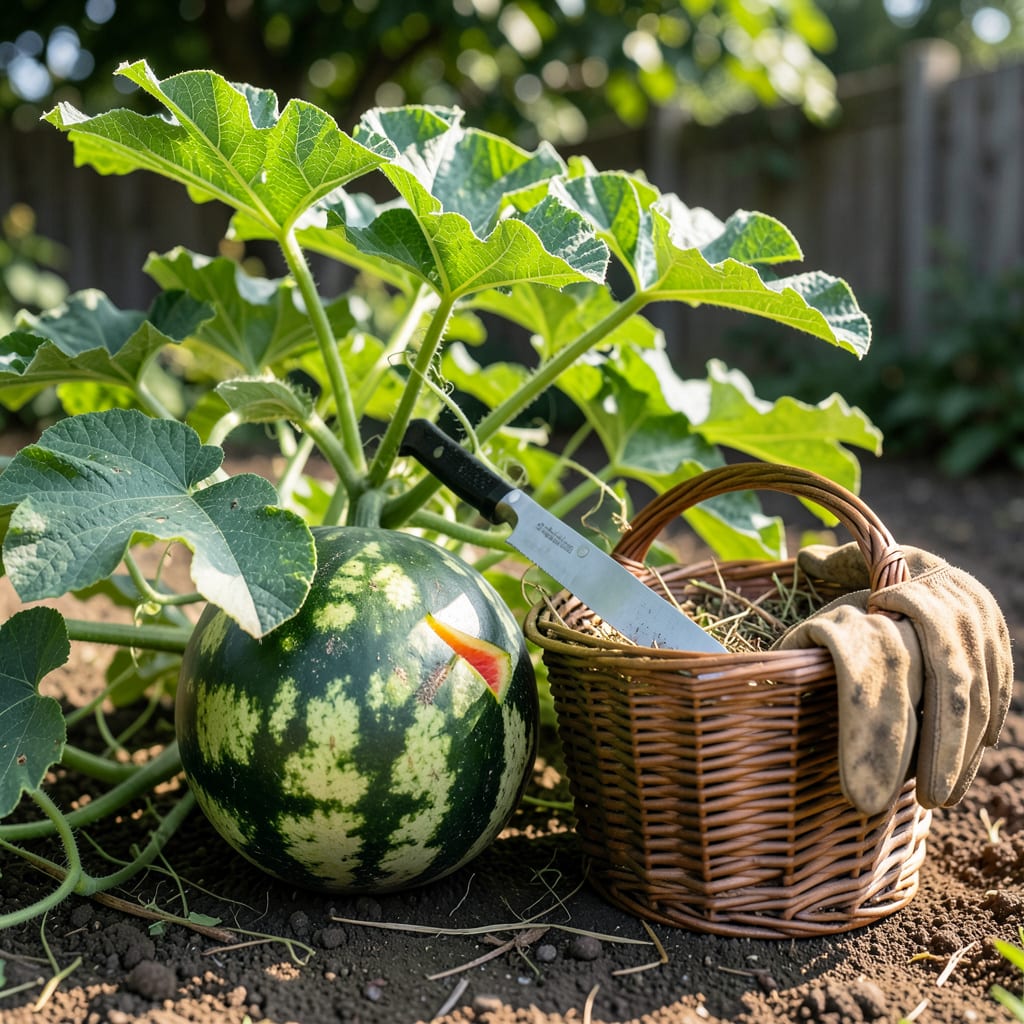
Nothing beats the disappointment of cutting into a watermelon only to find it underripe—or worse, overripe and mushy. That perfect balance of sweetness and crispness is all about timing, and I’ve learned the hard way that guessing just doesn’t cut it.
After years of trial and error with my own 🍉 Watermelon patches, I’ve narrowed it down to three foolproof signs that take the mystery out of harvesting. Whether you’re a first-time grower or a seasoned gardener, these simple checks will ensure you pick at peak ripeness—every single time.


After months of tending your watermelon vines, the moment of truth arrives: Is it ripe? Unlike tomatoes or peppers, watermelons don’t keep ripening once picked, so timing is everything. I’ve wasted too many melons by guessing—until I mastered these three visual cues that never lie.
The first clue is hiding in plain sight: the curly tendril nearest the fruit. When it turns from green to brown and brittle, the melon is sending you a signal. This little tendril is the plant’s way of saying, “I’m done growing!” Ignore the fruit’s size—this tendril change is your green light.🌱
Pro Tip: Check these signs in the early morning when temperatures are stable—heat can temporarily alter a melon’s appearance!
The ground spot is my favorite secret weapon. Flip the melon gently (support the bottom!) and look at the area touching the soil. A white or pale green spot means it’s not ready. But when it turns buttery yellow or orange, you’ve hit the sweet spot—literally. This color change happens as sugars develop.
Don’t overlook the rind’s texture. An unripe watermelon has a smooth, shiny surface that reflects light. As it ripens, the skin becomes matte and slightly resistant to fingernail scratches. I test this by lightly dragging my nail across the rind—if it leaves no mark, it’s ready.☀️
Here’s a trick most gardeners miss: Compare the webbed patterns (the netting between stripes) on your melon. On unripe fruit, these webs are tight and raised. As ripeness peaks, they relax and flatten. This subtle change is nature’s way of telling you the flesh inside has softened just enough.
If you’re growing seedless varieties, be extra patient. They often take 5–7 days longer to ripen than seeded types. I mark my calendar for 80–90 days after planting (or 30–40 days after flowering) and start checking then. Seedless melons also tend to have a less pronounced ground spot, so rely more on tendril dryness.
Weather plays a sneaky role too. A heatwave can speed up ripening, while cool, rainy spells slow it down. I once lost a crop by waiting for the “perfect” ground spot during a cold snap—turns out, the tendril test was the only reliable cue that week. Always cross-check multiple signs if the weather’s been unpredictable.🌡️
Still unsure? Try the “thump test” as a backup. Tap the melon with your knuckles—a deep, hollow sound means it’s ripe, while a high-pitched ping signals it needs more time. But here’s the catch: This works best for large, thick-rinded varieties like ‘Crimson Sweet.’ Smaller melons (like ‘Sugar Baby’) often sound hollow even when underripe.
Remember, size isn’t a ripeness indicator. A melon can reach full size weeks before it’s sweet. I’ve seen 12-pound watermelons that were still pale and tasteless inside because the tendril stayed green. Focus on the three visual signs, and you’ll never gamble on flavor again. Now go grab that perfectly ripe melon—your taste buds will thank you!🍉
Not all watermelons ripen the same way—what works for a ‘Crimson Sweet’ might mislead you with a ‘Moon and Stars.’ I learned this the hard way when my heirloom melons stayed stubbornly green while my sugar babies were ready weeks earlier.
Varieties differ in days to maturity, rind patterns, and even how their tendrils behave. Below is my go-to cheat sheet for the most popular types, so you’ll know exactly when to start checking for those ripeness signs we covered earlier.🌱
Pay special attention to seedless varieties—they’re trickier because their tendrils often dry unevenly. I mark my calendar for 90 days post-planting and start checking daily. Their ground spots stay paler, so I rely more on the rind’s dullness and a deep thump sound.
Heirlooms like ‘Moon and Stars’ are the slowpokes of the watermelon world. Their yellow splotches (the “moon and stars” pattern) become more vivid as they ripen, but they need full sun and warmth to reach peak sweetness. In cooler climates, I’ve had to wait 100+ days—patience is key!☀️
For smaller varieties like ‘Sugar Baby,’ don’t let their size fool you. They ripen faster but can overripen in a flash. I harvest these the moment the tendril browns, even if the ground spot isn’t perfectly yellow. Their thin rinds make them prone to splitting if left too long.
Pro tip: If you’re growing multiple varieties, label each vine with its expected harvest date (count forward from planting day). I use colored garden stakes—red for 75-day varieties, blue for 90-day—so I know where to focus my ripeness checks first. This simple system saves me from overlooking early ripeners!
Remember, regional climate can shift these timelines. In the Deep South, melons may ripen 5-7 days faster due to heat, while Northern gardens might need an extra week. When in doubt, prioritize the tendril and ground spot over the calendar—Mother Nature’s signals are always the most reliable.🌡️
Even experienced gardeners can sabotage their watermelon harvest by falling for these common timing traps. I’ve made every one of these mistakes—some more than once—before learning the hard way. The good news? They’re all avoidable once you know what to watch for.🌱
First, never judge ripeness by size alone. A watermelon can reach full size weeks before it’s actually ripe. I once harvested a 15-pound ‘Charleston Gray’ that looked impressive but tasted like bland cucumber. The tendril was still green—a dead giveaway I’d jumped the gun.
Quick Fix: If you’ve picked too soon, try leaving it at room temperature for 2-3 days—it won’t ripen further but may soften slightly.
Another classic mistake is harvesting right after heavy rain or irrigation. The excess water can plump up the melon, making it feel heavier and look riper than it is. I always wait 24–48 hours after rainfall to assess ripeness, giving the fruit time to stabilize. The ground spot color is especially unreliable when wet.💧
Don’t let the thump test fool you either. While a deep, hollow sound can indicate ripeness, it’s not foolproof. I’ve had underripe melons pass the thump test in humid weather. Always cross-check with the tendril and ground spot for confirmation. Smaller varieties like ‘Sugar Baby’ often sound hollow even when unripe.
Here’s a sneaky one: overlooking variety differences. A ‘Moon and Stars’ heirloom might need 90+ days, while a ‘Sugar Baby’ could be ready in 70. I keep a harvest calendar by variety, adjusting for my local climate. In cooler zones, I add 5–7 extra days to the “days to maturity” listed on seed packets.
Finally, avoid the “just one more day” trap. Once all signs point to ripe, pick it! I’ve lost count of how many melons I’ve watched split open or rot on the vine because I hesitated. A perfectly ripe watermelon will hold its quality for 3–5 days at room temperature—plenty of time to enjoy it at its peak.☀️
Most watermelons reach full ripeness 30-40 days after flowering, depending on the variety. Smaller types like ‘Sugar Baby’ may mature in as little as 28 days, while larger heirlooms can take up to 45 days. Always check the seed packet for your specific variety’s timeline.
Unlike tomatoes, watermelons won’t ripen further once picked. If harvested early, the flesh remains underdeveloped and bland. The only exception is slight softening at room temperature, but sweetness and color won’t improve. Always wait for full vine ripeness.
Smaller varieties like ‘Sugar Baby’ often produce a hollow sound even when underripe. The thump test works best for large, thick-rinded types like ‘Crimson Sweet’. Always cross-check with the tendril color and ground spot for accuracy.
Heavy rain can temporarily alter ripeness indicators. Wet soil makes the ground spot appear darker, while excess water plumps up the fruit. Always wait 24-48 hours after rainfall to assess true ripeness. The tendril test remains most reliable in wet conditions.
