
Beautiful Plants For Your Interior
Beautiful Plants For Your Interior
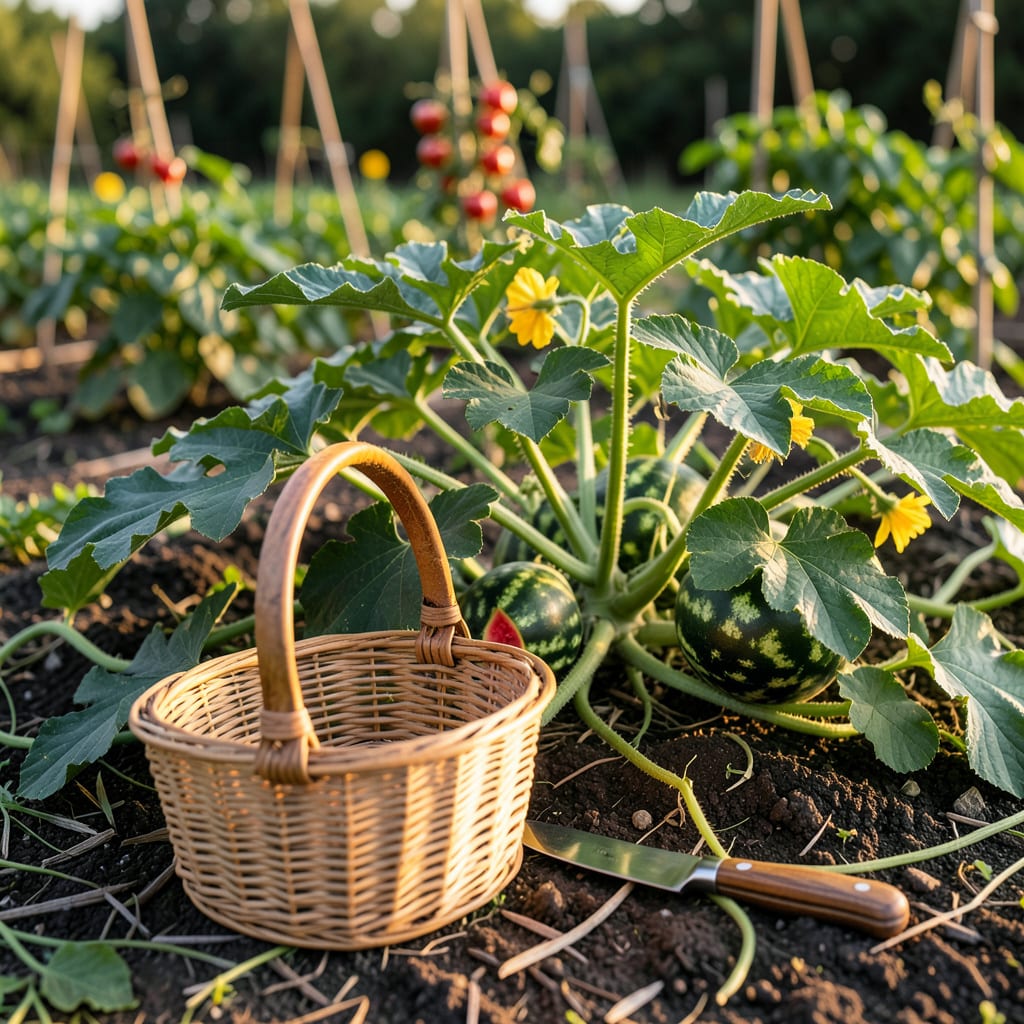
That moment when you finally slice into your homegrown Sugar Baby watermelon—only to find it underripe—is every gardener’s nightmare. I’ve been there, staring at that pale, crunchless flesh, wondering where I went wrong.
Here’s the good news: this compact, early-maturing variety gives you clear signals when it’s ready. We’ll break down the exact visual cues and foolproof tests to guarantee that first bite is bursting with sweetness. No guesswork, just perfect ripeness every time.


If you’ve grown standard watermelons before, Sugar Baby’s ripening signs might surprise you. This compact variety matures faster—typically 75 to 85 days—compared to larger types like Crimson Sweet, which can take up to 90 days. Size matters too: Sugar Babies max out at 6 to 12 pounds, making them easier to handle.
What really sets Sugar Baby apart is its early ground spot development. While bigger watermelons might stay green longer, Sugar Babies transition from white to a creamy yellow sooner. That’s your first clue! But don’t rely on size alone—these melons can look full-grown weeks before they’re actually ripe.
| Variety | Days to Maturity | Ripe Weight | Ground Spot Color |
|---|---|---|---|
| Sugar Baby | 75-85 days | 6-12 lbs | Creamy yellow |
| Crimson Sweet | 85-90 days | 15-25 lbs | Deep yellow |
| Charleston Gray | 90-100 days | 25-35 lbs | Orange-yellow |
💡 Tip: Sugar Baby’s smaller size means it ripens faster—check daily once it reaches 8-10 inches in diameter!
Another key difference? Tendril drying. Sugar Babies often show browning tendrils near the fruit 1-2 weeks before harvest, while larger varieties might hold onto green tendrils longer. I’ve noticed Sugar Babies also develop a duller rind texture earlier—almost like a matte finish—compared to the glossy look of unripe melons.
Climate plays a role too. In hotter zones, Sugar Babies may ripen 5-7 days faster than the seed packet suggests. Cooler regions? Add a week to your estimate. Always cross-check with the ground spot test—if it’s still white or pale green, give it more time. That spot should turn a rich buttery yellow when ready.
Don’t forget the thump test, but use it wisely. A ripe Sugar Baby gives a deep, hollow sound, while an unripe one sounds metallic. Overripe? It’ll sound flat. Pair this with the stem check: if the vine near the fruit snaps easily with a gentle twist, you’re good to go. No tugging needed!
One last pro tip: Sugar Babies often ripen all at once, unlike larger varieties that stagger. Mark your calendar for day 70 post-planting and start daily checks. That’s when the magic happens—and when your patience pays off with the sweetest, juiciest reward of the season. 🌱
Even the most experienced gardeners sometimes misjudge the perfect harvest window for Sugar Baby watermelons. If you’ve cut one open only to find it underripe, don’t panic—there are still ways to salvage it. First, check the rind color and flesh firmness. 🌱
An underripe Sugar Baby won’t ripen further once picked, but you can still use it in chilled fruit salads or blend it into refreshing drinks. The texture might be crunchier, but the flavor can still develop slightly if stored at room temperature for a day or two. Avoid refrigerating it immediately, as cold temps halt any minimal ripening process.
Placing your underripe watermelon in a paper bag with bananas won’t help—unlike tomatoes, watermelons don’t respond to ethylene gas after picking. Focus on prevention next time: check the ground spot daily once it turns pale yellow.
Overripe Sugar Babies are a different story. The flesh might be mushy or fermented, but don’t toss it! Scoop out the usable portions for smoothie bases or freeze the juice in ice cube trays for summer drinks. The rind can even be pickled or candied—just peel off the outer skin first. 💧
To avoid future mishaps, I recommend tagging your melons with their planting date. Since Sugar Babies mature in 75-85 days, start daily checks at day 70. Use a permanent marker to note the date on a small flag near the vine. This simple trick removes the guesswork and helps you track multiple fruits if you’re growing several.
If you’re dealing with a split or cracked melon, harvest it immediately—even if it’s not fully ripe. Cracks invite pests and rot. Cut away any damaged sections, then use the rest within 24 hours for the best flavor. Remember, Sugar Babies are thin-rinded, so handle them gently to prevent bruising during harvest. ✂️
Check the ground spot—it should turn from white to a creamy yellow when ripe. Also, the tendrils near the stem will dry and brown. A dull thump when tapped (not metallic) is another key sign.
Give it a few more days! The ground spot is the most reliable indicator. Tendrils can dry out early due to heat or drought, but the melon itself may still need time. Check daily once tendrils brown.
No, watermelons don’t ripen further after picking. Unlike tomatoes, they won’t respond to ethylene gas or countertop storage. Always wait for the ground spot to turn yellow and the rind to dull.
In extreme heat, Sugar Babies may ripen 5-7 days faster than the 75-85 day average. Monitor closely if temps exceed 90°F—check daily after day 65. Hot weather can also cause the rind to lighten prematurely.
Pick in the early morning when temps are cool. This preserves sweetness and crispness. Avoid midday heat, which can stress the vine and lead to splitting. Use clean pruners to leave 1-2 inches of stem attached.
